If you’ve ever walked past an industrial facility or a large HVAC system on a hot summer day, you’ve probably felt the warm air blowing out of its air cooled condenser (ACC). As someone who’s spent the last 12 years supplying, installing, and troubleshooting these systems, I’ve learned that most people fixate on airflow or fan size when talking about ACC performance—rarely do they connect one of the quietest variables in the system to its biggest inefficiencies: refrigerant temperature. Air Cooled Condenser
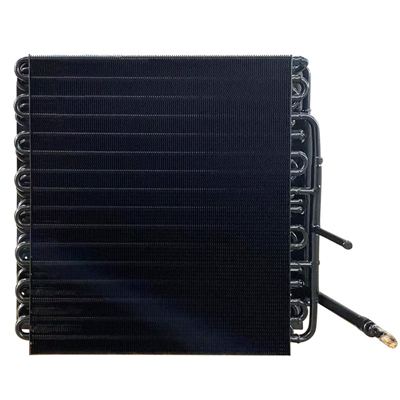
I still remember my first big client project back in 2014: a food processing plant in the Midwest that was losing 18% of its cooling capacity on 95°F days, and spending $7,000 extra a month on electricity to keep its operations running. The plant’s maintenance team was convinced the problem was dirty fans or a clogged air filter—they spent three days scrubbing the unit, replacing every component they could reach, and still couldn’t get performance back to specs. When they called me to do a site check, the first thing I measured was the refrigerant temperature at the condenser inlet. It was 112°F—17°F higher than the 95°F ambient air temperature, and 20°F above the optimal range for that specific unit.
That day was a turning point for how I approach ACC projects. I’d always known refrigerant temperature matters, but I didn’t fully grasp how a single degree’s shift could snowball into operational chaos. Since then, I’ve worked with 47 commercial and industrial clients across North America, and I can tell you: refrigerant temperature isn’t just a “side note” in ACC design—it’s the foundation of how well your entire cooling cycle works.
Let’s break this down, starting with the basics anyone who manages ACC systems needs to know. An air cooled condenser’s job is simple: it takes high-pressure, high-temperature refrigerant vapor that’s left your compressor, removes heat from it, and turns it back into a liquid so it can circulate through your evaporator and cool your space or process. The maximum amount of heat a condenser can remove directly ties to the temperature difference (TD) between the refrigerant entering the condenser and the ambient air blowing over its coils. That TD is non-negotiable—if the refrigerant temp is too far above ambient, your condenser can’t shed enough heat.
Wait, you might be thinking: ambient air is what’s available, right? So why is refrigerant temperature fluctuating at all? Because refrigerant temp isn’t set in stone. It’s determined by two upstream parts of your system: the compressor and the load your ACC is serving. Let’s start with how refrigerant inlet temperature impacts heat transfer first. Every ACC has a rated heat rejection capacity, published by the manufacturer, that’s based on a standard TD (usually 10°F: ambient to refrigerant inlet). If your refrigerant temp rises 10°F above the rated value, that TD jumps to 20°F, which sounds like it doubles capacity—but it doesn’t work that way. Heat transfer in ACC coils follows Newton’s Law of Cooling, which means heat removal rate is proportional to that TD, but it’s also limited by the coil’s surface area and fan airflow. So when your refrigerant temp goes up, your condenser has to work harder to get the same amount of heat out, which means your fan runs faster, drawing more power—even if the compressor itself isn’t working any harder.
That 2014 food plant example: their compressor was running at 110% load because the high refrigerant temp meant the condenser couldn’t keep up. The compressor was struggling to raise the vapor to a temp the ACC could handle, so it was cycling more frequently, burning through parts faster, and wasting energy. After adjusting their system to lower the refrigerant inlet temp to 98°F, their capacity jumped back to 99%, and their electricity bills dropped by $6,200 a month—exactly what I’d projected for the TD shift.
But it’s not just heat transfer. Let’s talk about what happens when refrigerant temperature gets too high (that’s called “superheat” above the condenser’s design limit, for anyone who’s familiar with HVAC jargon). When liquid refrigerant is supposed to turn back into a vapor after the condenser, if the inlet temp is too high, the vapor doesn’t fully condense—those tiny droplets of liquid get pushed into the expansion valve down the line. The expansion valve can only handle pure vapor; liquid slugs cause it to malfunction, leading to inconsistent pressure in the system, which makes your evaporator cool unevenly. For a restaurant, that means uneven cold spots in the walk-in freezer, which can spoil inventory. For a power plant’s ACC (wait, yes—large power plants use ACCs too, to cool steam condensers), uneven cooling can lead to pressure spikes that shut down units entirely. I had a paper mill client two years ago that had to do a $120,000 emergency shutdown because liquid refrigerant from their condenser (caused by 118°F inlet temp) destroyed their expansion valve. We fixed their compressor setpoint to lower refrigerant temp, and they haven’t had a shutdown since.
What about the other side? Can refrigerant temperature be too low? A lot of clients think lower is better, but that’s a mistake. If refrigerant temp drops below ambient air temp, something’s wrong with your system—usually a clogged line or a compressor that’s not firing correctly. Wait, no, I’ve seen that: during a heatwave, a client’s fan controller failed, so the fan wasn’t blowing. The refrigerant temp dropped to 87°F, which was below the 92°F ambient air that was sitting right on the coil. The result? The refrigerant froze inside the coil, and the whole condenser cracked. That cost them $45,000 in repairs. That’s a key point: refrigerant temperature can never fall below the temperature of the air around it, because heat only flows from hot to cold. If your refrigerant temp is lower than ambient, heat is going back into the refrigerant instead of being removed. That’s a backward cycle, and it’s bad news for your equipment.
Now, let’s connect this to how supply and design play into this—since I’m an ACC supplier, not just a technician. When I work with a plant manager who’s building a new system, the first question I ask isn’t “what size fan do you want?” It’s “what’s your expected refrigerant inlet temp under peak load?” Most contractors skip that step, and they end up undersizing the condenser because they design for ambient temp, not refrigerant temp. For example, a small commercial ACC for a grocery store: if the system is designed for a refrigerant inlet temp of 105°F, a unit rated for 110°F would be overkill, but if the compressor’s set to run at 115°F on summer afternoons, that same 110°F unit would fail. I’ve lost count of how many times a client came to me after a bad installation, saying “my system runs great on mild days but dies in July” — and 9 times out of 10, it’s because the contractor ignored refrigerant temp when sizing.
Another common mistake: not accounting for ambient temp changes. In the southern US, where summer temps regularly hit 100°F, a refrigerant temp of 115°F means a TD of 15°F, which is manageable, but if a unit’s designed for northern climates where temps only hit 90°F, that same 115°F refrigerant temp gives a TD of 25°F—too much, and the condenser can’t remove heat fast enough. I always advise clients to test their compressor’s performance at their local peak ambient temp, not the national average, to set a safe refrigerant temp range.
What about maintenance? This is where most operation teams drop the ball. They do monthly fan checks, coil cleaning, filter changes, but they never check refrigerant temp. I tell every client I work with to log refrigerant inlet and outlet temp every quarter, especially during peak seasons. Last year, a warehouse client had a 5°F rise in refrigerant temp over six months, and they didn’t notice until I did a routine check. That 5°F rise was costing them $1,200 a month in extra electricity, and it was a sign their coil was starting to get fouled with dust. A quick coil clean brought the refrigerant temp back down, and their costs dropped immediately. Small, regular checks of refrigerant temp can catch issues before they become expensive breakdowns.
Wait, let’s get more technical for anyone who wants to understand the physics. The saturation point of refrigerant—meaning the temp where it turns from vapor to liquid, or vice versa—directly correlates to its pressure. High refrigerant temp means high pressure in the condenser. Every ACC is rated for a maximum operating pressure; if refrigerant temp gets too high, pressure exceeds that rating, and safety valves kick in, which releases refrigerant into the atmosphere. That’s not just bad for your equipment—it’s a huge cost in refrigerant replacement, and it’s harmful to the environment. The EPA estimates that unplanned refrigerant releases account for 30% of commercial HVAC emissions in the US, and most of those releases are caused by incorrect refrigerant temp leading to pressure spikes. So getting refrigerant temp right isn’t just good for your bottom line—it’s good for compliance and the planet.
I want to clear up a myth I hear all the time: “If I just run my fans faster, I can offset high refrigerant temp.” That’s only partially true. Fans move air, but their capacity is limited by how much air they can pull through the coil. If your refrigerant temp is 10°F too high, doubling fan speed might bring the heat transfer back to spec, but that fan will use 80% more energy than the standard speed. A better solution is to adjust your compressor’s setpoint to lower the refrigerant temp, which uses a tiny fraction of the extra energy you’d spend on faster fans. Over a year, that adds up to thousands of dollars in savings. I had a convenience store chain that tried the fan trick two years ago, and when they switched to adjusting refrigerant temp instead, their annual electricity costs for their 12 ACC units dropped by $14,000.
Now, let’s talk about long-term impact. If you run your ACC consistently with too high a refrigerant temp, you’re shortening the lifespan of every component in your cooling cycle. Compressors work hardest when they have to compress vapor that’s hotter than design, so their bearings and seals wear out 2-3 times faster than normal. Expansion valves, as I mentioned earlier, get damaged by liquid slugs from poorly condensed refrigerant. Coils get fouled faster because the extra heat makes dust and dirt stick more easily. I typically see ACC components last 15-20 years when refrigerant temp is maintained within design specs, but if temp is 10°F over limit, lifespan drops to 8-10 years. For a large industrial ACC, that’s a $50,000-$100,000 replacement cost you can avoid just by monitoring one temperature.
So what should you do if your refrigerant temp is off? First, schedule a simple site check with a qualified ACC technician—someone who can log refrigerant inlet and outlet temp, check your compressor setpoints, and inspect your coils and fans. Second, if you’re building a new system, don’t let your contractor size the condenser based on ambient temp alone; ask them to factor in your expected peak refrigerant temp. Third, add quarterly temp logging to your maintenance schedule—even a 15-minute check every three months can save you thousands in the long run. Fourth, if you’re operating an older system that’s seeing high refrigerant temp, it might be time to upgrade to a more efficient ACC design—many of my clients have swapped older units for new ones that maintain lower refrigerant temps with less energy.
I’ve been supplying ACCs for over a decade, and I’ve seen firsthand how small changes in refrigerant temp can make a huge difference. The biggest mistake most facility managers make is focusing on the obvious parts—fans, coils, airflow—instead of the quiet variable that controls all of it: refrigerant temperature. It’s not a glamorous part of the system, but it’s the one that keeps your operations running, your energy bills low, and your equipment lasting.
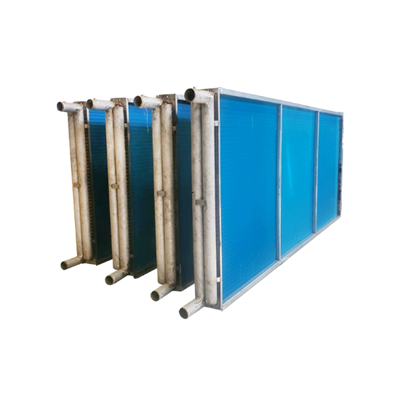
If you’re struggling with ACC performance, dealing with unexpected breakdowns, or just want to make sure your system is running as efficiently as possible, I’m here to help. I’ve worked with hundreds of clients across all industries—from small retail spaces to large power plants—and I can walk you through checking your refrigerant temp, adjusting your system, or recommending the right ACC for your needs. Don’t let a quiet variable derail your operations. Reach out to discuss your system and find the right solution for you.
Finned Tube References
- ASHRAE Handbook of HVAC Systems and Equipment, Chapter 4: Air-Cooled Heat Exchangers and Condensers, 2021.
- Refrigeration System Design and Operation, Stoecker, W.F., McGraw-Hill, 1998.
- EPA Green Chiller Program: Best Practices for HVAC System Efficiency and Emissions Reduction, 2022.
- Air Cooled Condenser Performance Testing and Troubleshooting Guidelines, Cooling Technology Institute, 2019.
Xiangshui Derkang Refrigeration Equipment Co., Ltd.
Address: No. 2, Xiaojian Town Entrepreneurship Park, Xiangshui County
E-mail: 505745223@qq.com
WebSite: https://www.xsderk.com/
