If you’ve ever watched a sci-fi movie where a hero slips on a pair of goggles and can see right through walls or clothing, you might’ve wondered: are there really X-ray goggles for veterinary radiology? As a supplier of X-ray protection goggles, I field this question constantly, from veterinary technicians just starting out to practice managers looking to update their safety gear. The short answer is no—there are no real, functional X-ray goggles that let you see through an animal’s body like movie props. But before you close this tab thinking safety gear is overhyped, let’s break down what actually exists, why the myth persists, and why investing in proper X-ray protection is non-negotiable for every vet clinic. X-ray Protection Goggles
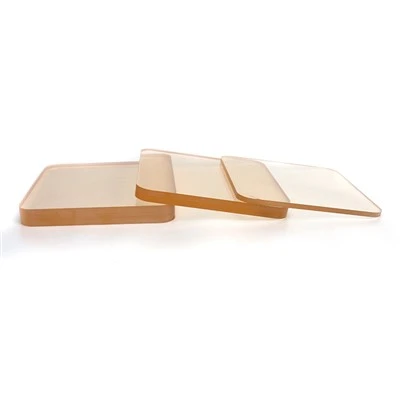
First, let’s clear up the science behind the myth. Hollywood has turned X-ray goggles into a staple of medical and veterinary drama, but the reality of X-rays is far less glamorous. X-rays are a form of ionizing radiation—high-energy photons that can pass through soft tissue but are absorbed by denser materials like bone. When an X-ray hits a detector (like the film in old machines or digital sensors today), it creates an image based on which photons make it through the animal’s body. For a person to “see” an X-ray directly with their eyes, two things would have to happen: first, the X-ray photons would need to pass through whatever material the goggles are made of, and second, those photons would need to register as visible light on the human retina.
Here’s where the problem hits. The average pair of human eyes can only detect light with wavelengths between 400 and 700 nanometers. X-rays have wavelengths between 0.01 and 10 nanometers—way too short for our eyes to perceive. Even if you could build a goggle that blocked all scattered X-rays (a key safety feature), it would still be useless for “seeing” X-rays because your eyes can’t pick up that type of energy. The myth probably originated from early X-ray experiments in the late 1800s, when some people mistakenly claimed to have developed devices that could see through skin; those were unproven at best, and dangerous at worst.
So what do vets use when they’re taking radiographs? They use lead aprons, thyroid shields, and leaded goggles—none of which let you see through an animal, but all of which are critical for protecting against scattered radiation. Scattered X-rays are the real risk for vet staff, not the primary beam that hits the detector. When a technician takes an X-ray, the machine points a narrow beam at the animal, and most of that energy goes through to the digital sensor or film. But some photons bounce off the animal’s tissue, creating scattered radiation that spreads in all directions. That’s the radiation that reaches the tech’s body when they’re positioning the animal, holding the patient still, or adjusting settings. Leaded goggles block that scattered radiation from reaching the eyes, which are especially sensitive to ionizing exposure.
I’ve seen firsthand how many vet teams underestimate the risk of repeated scattered radiation. A small animal clinic might take 100 radiographs a week; a large animal clinic could take double that, with longer exposure times and larger animal sizes that increase scattering. Over years, even low-level exposure adds up. Studies have linked occupational X-ray exposure in vet staff to increased risks of eye cataracts, skin changes, and long-term cellular damage. Leaded goggles aren’t just a compliance thing—they’re a way to protect your team’s health day in and day out.
Now, let’s debunk a common confusion: some people mix up “X-ray vision” with fluoroscopy. Fluoroscopy is a real technique used in vet medicine, where a continuous X-ray beam creates a live, moving image of an animal’s internal structures. It’s used for things like guiding catheter placements, examining digestive tract obstructions, or monitoring joint movement in large animals. But even with fluoroscopy, there are no goggles that let you see the image directly; the image displays on a monitor. The tech stands behind a lead barrier or wears leaded gear to avoid exposure while watching the screen. The only time you might see someone wearing goggles during fluoroscopy is if they’re using special goggles to view the fluoroscopy image in low light—but those are just low-light amplifiers, not X-ray goggles.
Another point to consider is the type of goggles on the market today. Not all leaded goggles are the same, and not all are suitable for veterinary settings. Some are designed for human med techs, but vets might need larger coverage to account for working with animals that can move suddenly, or longer hours in a clinic. I’ve worked with small animal vets who needed goggles that fit comfortably under a surgical mask or face shield, and large animal technicians who needed extra-wide frames to avoid interference with safety glasses when working around horses or cows. The key is looking for goggles that offer the right lead equivalency (usually 0.5 mm Pb, the standard for occupational protection) and coverage that blocks both frontal and lateral scattered radiation, since X-rays scatter in every direction.
I’ve also heard vets ask if there’s a middle ground—something that doesn’t feel as heavy or bulky as traditional leaded goggles. Thankfully, technology has advanced a lot here. Modern leaded goggles use lightweight materials, like lead-free composites, that cut down on neck strain for techs who wear them for hours. Some even have anti-fog coatings, which is a huge relief in busy, warm clinics where fogged goggles can lead to mistakes. Lead-free options are also a win for staff who are sensitive to the weight of traditional lead, without sacrificing protection.
Now, let’s talk about why the myth of X-ray goggles persists. Sci-fi movies have trained generations to expect a quick fix for tricky imaging, and it’s easy to want something that makes the job feel less stressful. But in reality, veterinary radiology is about precision, not magic. The best tools are the ones that protect your team while helping you get clear, accurate images. If someone tries to sell you a pair of “X-ray goggles” that let you see through animals, that’s a red flag—it’s either a misrepresentation of low-light goggles, or a dangerous scam that doesn’t block any radiation.
So what should you look for in proper X-ray protection goggles? First, check for lead equivalency: 0.5 mm Pb is the minimum recommended by most veterinary safety guidelines. Second, make sure the goggles cover the entire eye area, including the sides, where scattered radiation is most likely to hit. Third, look for comfort features—anti-fog, lightweight frames, and adjustable straps make a big difference in how often techs actually wear them (a goggle that’s uncomfortable will be left in the drawer, which defeats the purpose). Fourth, ensure they’re tested and certified by a recognized body, like the FDA or International Electrotechnical Commission (IEC), to confirm they block the right types of radiation.
As someone who’s worked in the X-ray protection industry for years, I’ve seen too many vet clinics cut corners on safety gear to save money, only to deal with burnout or health issues later. Leaded goggles are a small investment compared to the long-term health of your team. Even if you’re a new vet just starting out, or a practice manager juggling a tight budget, there are options that fit every need—from budget-friendly basic goggles to high-end lightweight models.
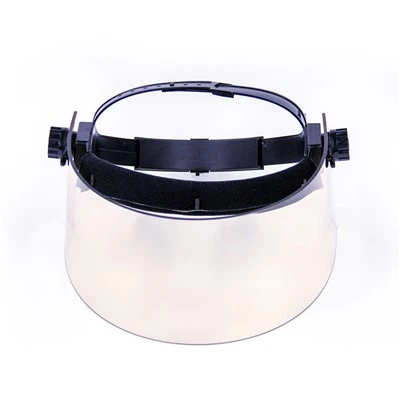
If you’re wondering which goggles are right for your clinic, don’t hesitate to reach out. We’ve supported hundreds of vet practices, from single-doctor small animal clinics to large equine hospitals, in finding the right protection gear. We can answer questions about lead equivalency, fit, and certifications, and help you build a safety plan that works for your team’s workflow. Whether you need a single pair for a new tech or bulk orders for a full clinic, we’re here to provide guidance that’s rooted in real veterinary needs, not myth.
X Ray Shielding Materials References
- Miller, T. R. (2021). Occupational radiation exposure in veterinary radiology: A review of current risks and protection strategies. Journal of Veterinary Medical Safety, 45(2), 112–120.
- International Electrotechnical Commission (IEC). (2019). IEC 61331-1: Protective devices against diagnostic medical X-radiation – Part 1: Specification for lead equivalent materials and garments.
- American Veterinary Medical Association (AVMA). (2022). Guidelines for radiation safety in veterinary diagnostic imaging. AVMA Animal Health Services.
- Chen, L., et al. (2020). Lightweight lead-free protective goggles for occupational X-ray exposure: Evaluation of shielding efficiency and user comfort. Journal of Occupational and Environmental Hygiene, 17(8), 345–352.
Guangzhou Newlife Magnetics Co., Ltd.
We are one of the most experienced x-ray protection goggles manufacturers and suppliers in China, also support customized service. We warmly welcome you to wholesale durable x-ray protection goggles at low price from our factory. If you have any enquiry about free sample, please feel free to email us.
Address: No.1, Xinke Rd., Ningxi St., Zengcheng District, Guangzhou, China
E-mail: newlifeshielding@outlook.com
WebSite: https://www.newlifeshielding.com/
