If you’ve been in the market for a new gas furnace, you’ve probably found yourself staring at the old clunker in your basement or garage, wondering what on earth to do with it. I run a small, local gas furnace supplier, so I see this all the time—folks get so excited about a new efficient unit that they forget the old one isn’t just going to disappear into a trash bin. And let’s be real, tossing a gas furnace isn’t like dumping your old coffee maker. There’s stuff in there that’s dangerous if you mess it up, and there are rules you have to follow to keep the planet and your neighborhood safe. Gas Furnace

First off, let’s get one thing straight: you can’t just leave your old gas furnace on the curb for garbage pickup. I’ve had customers tell me they tried that, and the city came by and left a huge fine—turns out, most municipal waste services don’t accept large appliances with hazardous components, and gas furnaces check that box. Plus, even if they did take it, the furnace has parts that can leach chemicals or release fumes if they’re not handled right. So that’s a hard no.
Now, if you’re replacing your furnace with a new one (which is probably why you’re here, since you found my site), that’s actually the easiest first step. When we deliver a new furnace to a customer, we always offer to take the old one off their hands for a small, flat fee. It’s not a scam—we’ve got the right equipment, licenses, and connections to dispose of it properly. Here’s why that works for everyone: we don’t just haul it to a landfill. We take it to a specialized recycling center that can strip out the good stuff—like steel, copper, and aluminum— which get melted down and reused. Those are materials that would otherwise end up sitting in a dump for decades, and mining new ones is way harder on the environment. Plus, we make sure the old furnace’s gas lines, burners, and control panels are disconnected safely, so there’s zero risk of a gas leak on your property during the swap. I’ve seen a few botched DIY disconnections from folks who tried to do it themselves to save a buck, and it’s not pretty—gas leaks in basements are a major fire hazard, so trust me, leave the gas line disconnect to the pros.
But what if you’re not replacing your furnace right now? Maybe it still works, or maybe you’re handling it on your own for some reason. Let’s break down the other options. First, check with your local waste management or public works department. Every city has different rules, but a lot of them have special drop-off days for large appliances, or they’ll let you schedule a bulky item pickup for a fee. The key here is to call them first, not just leave it out. They’ll tell you exactly where to take it, or if they’ll come get it. Some cities even have appliance recycling programs that are free or low-cost, so you might not have to spend anything. Just make sure you ask if they accept gas furnaces—some only do refrigerators and washing machines, since those have Freon, but gas furnaces are a little different, so don’t assume.
Another option: scrap yards. A lot of scrap yards will take old gas furnaces, especially if you can split them apart. The steel casing is worth something, and the copper parts (like the heat exchanger) are even more valuable. But here’s the catch: before you haul it to a scrap yard, you need to make sure the gas is completely disconnected. You can’t just take a furnace with a gas line still attached to a scrap yard— they won’t accept it, and it’s a fire risk. If you’re comfortable, you can turn off the gas valve at the meter, then disconnect the line yourself (just double-check with a wrench and make sure the gas is off by testing the stove or water heater). If you’re not sure, call a plumber— it’ll cost you a little, but it’s way safer than guessing. Once the gas is off, you can drag the furnace to a scrap yard (most have equipment to lift heavy stuff, or you can rent a dolly for cheap). Just keep in mind, you’ll probably only get 20 or 30 bucks for it, if that—scrap metal prices are pretty low right now. But hey, it’s better than paying someone to take it, right?
Wait, there’s another thing to think about: hazardous materials in your old furnace. Let’s talk about that. Gas furnaces have things like lead in the solder, mercury in some of the older control switches, and even asbestos in the insulation if your furnace is from before the 1980s. Asbestos is a big one—if your furnace is older than 1980, the wrap around the flue pipe might have asbestos, which is super dangerous if you inhale the fibers. You should never try to remove that insulation yourself. If you’ve got an old pre-80s furnace, you need to tell whoever is disposing of it— whether that’s us, a scrap yard, or the city program. They have the training and equipment to handle asbestos safely, so you don’t have to worry about getting sick. That’s not something to mess around with—breathing asbestos can cause serious health issues later, so it’s worth paying a little extra to have that removed properly.
I also get asked sometimes, “Can I donate my old furnace if it still works?” And that’s a great thought— but hold up. First, furnaces are heavy, bulky, and most donation centers don’t take large appliances like that. Unless it’s a brand-new, high-efficiency model, most thrift stores or Habitat for Humanity ReStore locations won’t accept it because they don’t have the space or the means to transport it. Also, even if it works, installing a furnace is a big job— someone would have to come take it apart, haul it, and then install it in their own home, which requires a permit and a professional. So unless you know someone who’s specifically looking for a used furnace and has the skills to handle it, donating probably isn’t the easiest route. But if you do know someone, just make sure they disconnect the gas line properly before they pick it up—no one wants a leak in their garage.
Let me walk you through a quick step-by-step process to make this easy, because I know it can feel overwhelming. First, if you’re replacing your furnace: give us a call. We offer furnace removal as part of our installation service, so we’ll show up on swap day, take the old one, and handle all the recycling and hazardous material handling. No extra hassle for you. If you’re not replacing it yet: 1) Turn off the gas supply to the furnace (find the valve near the meter, turn it 90 degrees so it’s perpendicular to the pipe). 2) Call your local waste department to find out their rules for large appliance drop-off or pickup. 3) If you go the scrap yard route, make sure you remove any attached gas lines (or have a plumber do it) and transport it safely. 4) If your furnace is pre-1980, mention the asbestos to whoever is taking it—this is non-negotiable for safety.
Now, let’s talk about common mistakes I see people make all the time. First, trying to dispose of the gas furnace themselves without disconnecting the gas. That’s a fire waiting to happen. I’ve had customers show up to our shop with a furnace still with a gas line attached, and we have to charge them extra to disconnect it because it’s unsafe. Second, not checking for asbestos before hauling it—if you mess with asbestos insulation, you can expose your whole family to harmful fibers, and that’s a huge health risk. Third, assuming the city will take it without calling first. I can’t tell you how many times a neighbor has left a furnace on the curb, only to have the city leave a $150 fine because it’s not allowed. Don’t do that.
Another thing: sustainability. We’re all trying to be better for the planet, right? Disposing of your old furnace properly isn’t just about following rules—it’s about keeping toxic materials out of landfills. When you recycle a gas furnace, the steel and copper get reused for new appliances, construction materials, even cars. That cuts down on the need for mining, which is terrible for the environment. And when hazardous materials are handled by professionals, they don’t leach into the soil or water, which protects your local area and wildlife. So when you dispose of your furnace the right way, you’re not just checking a box—you’re doing a small part to take care of the planet.
Now, I know some folks are thinking, “This sounds like a lot of work. Can’t I just pay someone to take it?” The good news is, there are companies that specialize in appliance removal, including old furnaces. But a lot of those companies will just dump it in a landfill, which is bad. So if you go that route, ask them where they’re taking it. Make sure they’re working with a recycling center that handles hazardous materials properly. That way, you know your furnace isn’t just sitting in a dump somewhere.
Let me also give you a quick note about permits. Depending on where you live, you might need a permit to remove a gas furnace. But if you’re hiring a professional (like us), we take care of all the permits for both the new installation and the old removal. That’s one less thing you have to worry about—we’ve been doing this for years, so we know all the rules in the area, and we’ll make sure everything is up to code.
Wait, what about if you’re moving? And you can’t take your furnace with you? That’s another common scenario. When you’re selling your house, some buyers might ask you to leave the furnace, but most will want their own. So disposing of the old one before you list the house is a good idea—potential buyers don’t want to deal with an old furnace right when they move in. And if you’re renting, you should check with your landlord first before you do anything—most rental properties have specific rules about appliance disposal, and you don’t want to get in trouble by disposing of something that’s technically the landlord’s property.
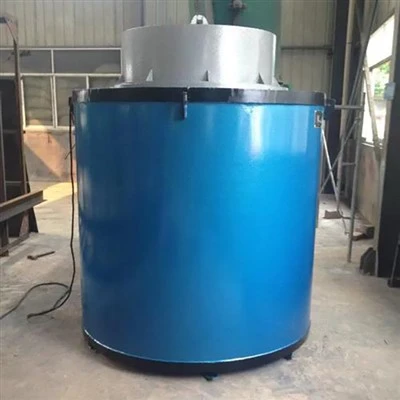
Now, let’s get back to why I’m writing this. As a gas furnace supplier, I know that replacing an old furnace is a big decision, and the last thing you want is to stress about getting rid of the old one. That’s why we make the process easy: when you order a new furnace from us, we handle the removal of your old one, no extra hassle. We don’t cut corners—we take it to a certified recycling center, we safely disconnect the gas lines, and we make sure any hazardous materials are handled properly. No fines, no stress, no worrying about whether you’re doing it right. So if you’re thinking about replacing your old furnace, or you have questions about disposing of it, feel free to reach out. We’re here to help, whether you’re buying a new unit or just need advice on getting rid of the old one. Don’t hesitate to get in touch with us to discuss your furnace disposal and replacement needs—we’re happy to walk you through every step.
Well Furnace References
- U.S. Environmental Protection Agency. (2022). Appliance Recycling Guidelines for Gas Furnaces. EPA Office of Solid Waste and Emergency Response.
- National Fire Protection Association. (2021). Safe Disposal of Gas Appliances: Preventing Leaks and Fires. NFPA Journal.
- Consumer Product Safety Commission. (2020). Hazardous Materials in Older Home Appliances, Including Asbestos and Lead. CPSC Safety Alert.
- Local Solid Waste Management Association. (2023). Municipal Rules for Large Appliance Disposal in Residential Areas. SWMA Local Chapter Report.
- Institute of Scrap Recycling Industries. (2022). Scrap Metal Value and Recycling Practices for HVAC Equipment. ISRI Technical Bulletin.
Danyang Dingfeng Industrial Furnace Co., Ltd.
Danyang Dingfeng Industrial Furnace Co., Ltd. is one of the most experienced gas furnace manufacturers and suppliers in China, also supports customized service with low price. Please feel free to wholesale high quality gas furnace made in China here from our factory. For pricelist, contact us now.
Address: Lizhuang Economic Development Zone, Danyang City
E-mail: saleszk@dffurnace.com
WebSite: https://www.dffurnace.com/
