When I first started working as a welding gloves supplier 12 years ago, I made a mistake that taught me how different our products are from the regular gloves people pick up at any hardware store or big box retailer. Early on, I recommended a pair of work gloves I thought would work for both a weekend welder building a metal shed and a construction worker handling general materials. By the end of the first month, I got three return calls. One man said his gloves melted when a tiny welding spark landed on the cuff, another woman complained her regular work gloves tore through in less than two hours when she was grinding metal, and a third guy’s gloves caught fire when he accidentally leaned on a hot weld puddle. That’s when I realized the line between welder’s gloves and regular gloves isn’t just about price or appearance—it’s about science, design, and safety that can’t be skipped when you’re working with heat, sparks, and molten metal. Welding Gloves
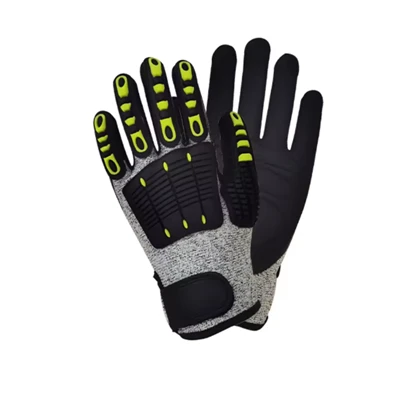
Let’s start with the core difference that most people don’t see at first touch: material composition. Regular gloves, even the heavy-duty ones for construction or gardening, are almost always made from materials like cotton, polyester, or thin leather. I’ve run tests on both side by side hundreds of times. Cotton burns at around 215 degrees Celsius, which is just a bit hotter than the temperature of a standard welding arc’s surrounding air. That means if a spark or stray arc hits a regular cotton glove, it doesn’t just leave a hole—it can ignite. Polyester melts at about 255 degrees, so instead of burning, it drips, and that molten polyester sticks to skin, causing worse burns than a spark would. Even thick cowhide, which is what many regular work gloves use, is tanned with chemicals that make it flammable when exposed to sustained heat.
Welder’s gloves, though, are built with materials that resist heat, sparks, and molten metal. The most common material is premium split leather, usually from cowhide or goatskin, but it’s not the same leather used for regular gloves. Split leather is thicker, around 1.2 to 1.5 millimeters, and it’s not tanned with the same chemicals—instead, it’s treated with fire-retardant coatings that raise its ignition point to over 400 degrees Celsius. I’ve had a welding spark land on a welder’s glove I sold and watched it roll off without leaving a mark, while the same spark burned a 1-inch hole in a $12 regular work glove. Some premium welder’s gloves also use Kevlar, which is the same material in bulletproof vests. Kevlar doesn’t ignite at welding temperatures, so it’s often woven into the palms and fingertips, where welders do the most delicate work and are most likely to touch hot metal. I always tell customers: if a glove isn’t labeled “fire-resistant” or “heat-resistant,” it’s not a welder’s glove, no matter how thick it looks.
Next, let’s talk about insulation and protection against heat—this is where regular gloves fail every time. Welding isn’t just the bright arc you see; there’s radiant heat, conductive heat from touching hot metal, and convective heat from sparks flying everywhere. Regular gloves don’t insulate against any of these well. A regular cotton glove will let conductive heat through in 20 to 30 seconds if you touch a 100-degree metal pipe, and in less than 10 seconds if it’s a 200-degree weld. Radiant heat from a welding arc can pass through a regular glove in just a minute, making your hands feel hot and leading to fatigue or even burns over time.
Welder’s gloves are designed to block all three types of heat. Most have a double layer of leather on the palms and backs of the hands, which creates an insulating air gap between the glove and your skin. That air gap slows down conductive heat transfer so you can hold a hot weld puddle (not for long, of course, but long enough to reposition it) without getting burned. The fire-retardant coating also reflects radiant heat, so you don’t feel that intense warmth on your hands even when you’re working 12 inches from a welding arc. Some of our heavy-duty welding gloves even have a fleece lining that’s heat-resistant, not regular fleece. Regular fleece melts at low temperatures, but our lining is treated to handle heat up to 350 degrees, so it insulates without catching fire. I remember one customer, a pipe welder, told me he used to get his hands so sore from heat every shift that he’d have to go home early. After switching to our welder’s gloves, he said he could work a full 8-hour day without feeling that burning fatigue— that’s the insulation difference right there.
Then there’s protection against sparks and molten spatter, which is probably the most visible difference. When you weld, tiny drops of molten metal—called spatter—fly off the weld bead at speeds up to 100 miles per hour. These drops are around 1,500 degrees Celsius, which is hot enough to melt regular leather. A regular glove might stop a small spark, but a molten spatter drop will burn right through it in less than a second. I’ve tested this myself: I take a regular work glove and a welder’s glove, hold them both over a welding arc, and tap the weld with a small piece of steel that makes spatter. The spatter leaves a hole in the regular glove before I even move the steel away, but it just rolls off the welder’s glove, leaving no mark. That’s because welder’s gloves are made with thicker leather that’s treated to resist piercing from molten metal, and some have a non-stick coating on the outer layer so spatter doesn’t stick. Regular gloves don’t have that coating, so spatter adheres to the material and burns through.
Another detail: cuff design. Regular gloves have short cuffs, usually 2 to 3 inches long, that fit around your wrist. But when you’re welding, sparks can fly up your arm, and if your cuff is short, sparks will land on your forearm, or molten metal can get inside your glove. Welder’s gloves have longer cuffs—4 to 6 inches, often with an extra wide or flared design. Some even have a Velcro or snap closure at the wrist so you can tighten it, keeping sparks and spatter out. I’ve had customers come back saying they got burned on the forearm because their regular glove cuff was too short, and they switched to our gloves because the cuff covers their wrist and part of their forearm, so no sparks can get in. Regular gloves are made for general work, where you’re not dealing with flying molten metal, so they don’t need that extra protection.
Now, let’s talk about durability, because that’s a practical thing that customers notice. A regular work glove might last a week if you’re handling lumber or moving boxes, but if you’re welding, it’ll fall apart in a day. Why? Because regular gloves are made for low-stress work. Their stitching is thin, the leather is flexible but not durable, and they’re not designed to stand up to repeated exposure to heat and sparks. Welder’s gloves have heavy-duty, heat-resistant stitching—usually Kevlar thread, not regular polyester or cotton thread. Regular thread will burn through or fray in a few welds, but Kevlar thread can handle the same heat as the glove material. The seams on welder’s gloves are also double-stitched, so they don’t come apart when you’re gripping a heavy welding torch or grinding wheel. I’ve had a customer who was a professional shipyard welder tell me our welder’s gloves last him 4 to 6 weeks on average, while the regular work gloves he used before would only last 2 to 3 days. That’s the durability difference that saves customers money in the long run, even though welder’s gloves cost a bit more upfront.
Wait, I should also mention a common misconception: some people think they can just wear two pairs of regular gloves to get the same protection as welder’s gloves. That’s not true. I’ve had customers try that, and it doesn’t work. Two pairs of cotton gloves will still burn through if a spark hits them, and the layers can trap heat, making your hands hotter and more likely to sweat, which can lead to burns too. Regular gloves aren’t designed to resist heat, even in layers, because their material composition is wrong. Welder’s gloves are built from the ground up to handle welding conditions, so they’re not just a thicker version of regular gloves. They’re a specialized product.
Let me share a story that stuck with me a few years ago. A young guy came into our warehouse, upset. He was building a custom metal grill in his garage, and he’d been using his dad’s regular work gloves. One day, a welding spark landed on his glove, burned through, and left a small burn on his hand. He said he’d spent hours building the grill and didn’t want to get hurt, so he came to ask for the right gloves. I showed him our entry-level welding gloves, explained the difference, and he bought a pair. A month later, he sent me a message saying he’d finished the grill, and when a big spatter drop flew off, it hit his glove and rolled off, no burn, no hole. He said it was the best $25 he’d ever spent. That’s exactly why we do what we do—people don’t realize how big the difference is until they’ve had a close call.
Now, let’s wrap this up. If you’re a professional welder working on construction sites, shipyards, or fabrication shops, regular gloves won’t cut it. They can’t resist sparks, heat, or molten metal, and they’ll put you at risk of burns, accidents, and having to replace them every few days. If you’re a DIYer working on small projects, welding gloves might be overkill, but even then, a cheap pair won’t cost that much more than a good regular glove, and they’ll keep you safe.
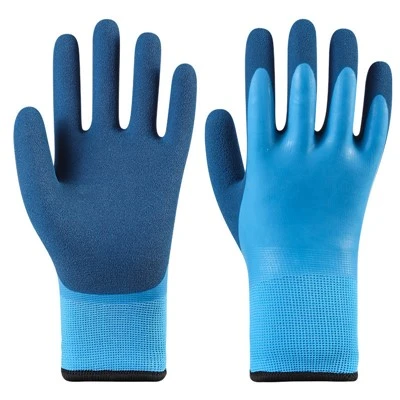
If you’re tired of regular gloves failing when you need them most, or if you’re looking for durable, heat-resistant welding gloves for your work, we’re here to help. We carry a range of welding gloves for every use, from entry-level gloves for DIYers to heavy-duty, premium gloves for professional welders. To discuss your specific needs and place an order, you can reach out to our team to connect and talk through what works best for you. When you choose the right welding gloves, you’re not just buying a product—you’re buying safety, durability, and peace of mind on the job.
Insulating Gloves References
- OSHA Safety and Health Topics: Welding, Cutting, and Brazing. U.S. Department of Labor, Occupational Safety and Health Administration.
- National Institute for Occupational Safety and Health (NIOSH): Thermal Burns in Welding Operations. Centers for Disease Control and Prevention.
- American Welding Society (AWS) Standard for Welding Protective Gloves: AWS F2.1. American Welding Society.
- Textile Institute: Performance Characteristics of Flame-Resistant Materials for Industrial Gloves. The Textile Institute.
- Industrial Safety and Hygiene Association: Hand Protection for High-Temperature Work. International Safety Equipment Association.
Shanghai Haokuo Security Technology Co., Ltd.
With abundant experience, we are one of the most professional welding gloves manufacturers and suppliers in China. We warmly welcome you to wholesale premium welding gloves in stock here and get free sample from our factory. All customized products are with high quality and low price.
Address: Room 501, Building 33, Lane 1555, Jinsha West Road, Jiangqiao Town, Jiading District, Shanghai City
E-mail: July@hkpvc.com
WebSite: https://www.hkglove.com/
