If you’ve ever stood in front of a display of healthy, vibrant fish at a local aquarium or pet store, it’s easy to forget the work that goes into keeping those creatures thriving behind the glass. For anyone in the aquarium trade—and, as a tank accessories supplier, I’ve seen this firsthand—that work starts long before a new fish is added to a main display tank. That’s where a quarantine tank (QT) comes in: a dedicated, smaller tank used to isolate new arrivals, sick fish, or even existing residents before they’re introduced to the main habitat. A QT isn’t just a “small spare tank” — it’s a non-negotiable tool for preventing the spread of disease, parasites, and even stress to your entire aquatic community. But to make a QT work effectively, you can’t just plop a bowl of water and a fish in it. Every accessory serves a specific scientific purpose, and skipping even one can turn your quarantine efforts into a wasted (and potentially dangerous) exercise. Let’s break down exactly what you need, and why, from someone who’s spent years stocking tanks and troubleshooting what works (and what doesn’t). Tank Accessories
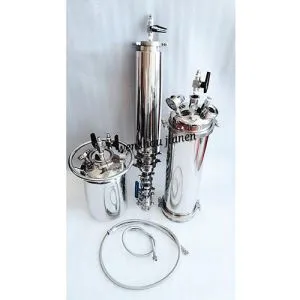
First, let’s start with the most fundamental piece that many new hobbyists overlook: the quarantine tank itself, but not just any tank. You don’t need a 55-gallon display tank-sized unit here. A 10 to 20-gallon tank is perfect for most QT setups, even for larger fish species—they only need enough space to move comfortably, not the open swimming room of a main tank. The key here is that this tank should never be used for anything else: no feeding main tank fish in it, no mixing decor from other tanks, no repurposing it when you don’t have a sick fish. Contamination is the enemy here, so designating a QT as a strictly dedicated space is the first non-negotiable accessory. As a supplier, I always emphasize this to new hobbyists because I’ve seen too many people save money by reusing a display tank that ends up spreading ich or fin rot to their entire collection.
Next, the filtration system. This is where scientific principles really kick in. A QT doesn’t need a huge filter, but it needs one that’s gentle. Newly introduced or stressed fish often have compromised immune systems, and powerful canister filters can create strong currents that exhaust them. That’s why a small, adjustable internal sponge filter is the gold standard here. Sponge filters don’t have intake tubes that can suck in small fish or shrimp (a major safety risk in a QT with vulnerable specimens), and they host beneficial bacteria that break down toxic ammonia and nitrite—two byproducts of fish waste that can kill a stressed fish in as little as 24 hours. Unlike hang-on-back filters, sponge filters don’t create a lot of flow, which is perfect for slower-moving species like bettas or tetras, and they’re easy to clean without disrupting the entire filtration cycle. I stock these specifically for QT setups because I’ve tested them against other options: external filters often remove too much beneficial bacteria, and bare sponge filters without a biological medium just don’t handle waste as well.
Heating is the next critical accessory, and it’s not just about keeping water warm—it’s about stress reduction and parasite treatment. Most aquatic pathogens, like ich (Ichthyophthirius multifiliis), thrive in temperatures between 68 and 77 degrees Fahrenheit. Raising the QT temperature to 80 to 82 degrees Fahrenheit speeds up the ich life cycle, making it easier to treat and kill the free-swimming stages that spread. Stressed fish also need a consistent temperature to avoid further weakening their immune systems, so a reliable submersible heater with an adjustable thermostat is non-negotiable. I always recommend a 25 to 50-watt heater for a 10 to 20-gallon QT, and I tell my customers to test it with a separate thermometer—never trust the built-in heater dial. Cheaper heaters can fluctuate by 5 degrees or more, which is enough to stress a newly arrived fish, so investing in a high-quality heater pays off in quarantine success.
Water testing equipment is another must-have, and it’s not just a nice-to-have—it’s essential for monitoring water quality. Ammonia and nitrite spikes are the leading cause of death in QT tanks, especially when you’re dealing with a single fish in a small volume of water. API test kits (the liquid kind, not the paper strips) are the industry standard here because they’re accurate and affordable. I suggest testing ammonia, nitrite, nitrate, and pH every day during quarantine, because even a small accumulation of waste from one fish can cause a spike. Paper strips are too imprecise for small tanks, and digital meters often need calibration, so liquid test kits are the way to go. As a supplier, I include a test kit with every QT accessory bundle I put together, because I’ve seen how many hobbyists skip testing and lose their new fish to preventable water issues.
Lighting is often overlooked, but it plays an important role in quarantine too. You don’t need a fancy planted tank light—just a basic, low-wattage LED light on a timer. Fish need a consistent day-night cycle to reduce stress, and lighting helps regulate their eating and activity patterns. For QT tanks, a light that runs 8 to 10 hours a day is perfect, and it’s especially helpful if you’re using medication, because some anti-parasite treatments (like malachite green) break down in direct sunlight. A submersible LED light is better than a hood-mounted one because it doesn’t take up space above the tank, and it’s easy to adjust the brightness to avoid stressing shy fish. I often get questions about whether you can use room lighting instead, but room lights are inconsistent—they turn on and off at different times, vary in brightness, and can even expose the tank to too much sunlight, leading to algae growth or temperature fluctuations. A dedicated QT light is a small investment that makes a big difference.
Now, substrate and decor. This is one area where I see hobbyists make the most mistakes. Some people add a lot of decor to make the QT look nice, but that’s a bad idea. Too many hiding spots or plants can make it hard to observe a fish for signs of illness—you can’t see if a fish has white spots or torn fins if it’s hiding behind a rock. For substrate, a thin layer of plain gravel or even just a bare tank (no substrate at all) is ideal. Bare tanks are the easiest to clean, which is critical in quarantine—you don’t want food or waste getting trapped in substrate crevices and fouling the water. If you do want to add decor, stick to one simple hiding spot, like a small plastic cave or a piece of smooth, sterilized driftwood. The key here is that every piece of decor should be easy to remove and clean, because you need to sanitize the QT completely after every use to avoid cross-contaminating future fish. I always tell my customers to boil any decor that’s been in a QT for a sick fish to kill any remaining pathogens before putting it back in storage.
Food is another essential accessory, and it’s not just about picking up any old fish food. Quarantined fish are stressed, so they often have reduced appetites, and their immune systems need extra nutrition to fight off illness. A high-quality, easily digestible food is best—pellets or flakes that are small enough for the fish to eat quickly, because uneaten food will break down and spike ammonia levels. For fish that are picky or not eating right away, frozen foods like brine shrimp or daphnia are good options because they’re nutrient-dense, and fish usually accept them more readily. I recommend feeding small amounts once or twice a day, only what the fish can eat in 2 to 3 minutes, to keep water quality high. Avoid overfeeding at all costs—this is a common mistake in QT tanks, and it’s one that can undo all your other efforts to keep the water clean.
Medication and treatment supplies are the final critical accessories, but they need to be used carefully, not just stocked and forgotten. Before adding any medication, always test the water parameters and make sure it’s appropriate for the species you’re treating—some medications are harmful to scaleless fish, like plecos or loaches, or to invertebrates if you have them in QT. Basic supplies I recommend include anti-parasite treatments (like copper-based medications or malachite green), water conditioners to remove chlorine and chloramine from tap water, and a siphon hose for partial water changes. Partial water changes (10 to 15% every other day) are one of the most effective ways to keep QT water clean, and a small, thin siphon hose makes this easy to do without disturbing the fish. I also recommend having a sterilizing agent, like aquarium-grade bleach, on hand to deep-clean the QT tank and all accessories after each use—never reuse a QT without full sanitization, even if the previous fish seemed healthy.
As someone who’s worked with tank accessories for years, I can tell you that the biggest mistake new hobbyists make is treating the quarantine tank as an afterthought. It’s not a temporary stopgap—it’s the first line of defense for your entire aquatic community. Every accessory I’ve mentioned serves a specific scientific purpose, and skipping even one can lead to disease outbreaks, lost fish, or a lot of unnecessary stress for you. For example, I once had a customer who set up a QT with a regular power filter, and within a week, his new tetra had its fins sucked into the intake, leading to an infection that killed it. Another customer skipped testing water parameters, and his QT tank had an ammonia spike that killed three guppies before he noticed. These are avoidable mistakes, and the right accessories make all the difference.
If you’re setting up a quarantine tank for the first time, or if you’re looking to upgrade your current setup, I encourage you to prioritize quality over cost. Cheap heaters break easily, paper test kits are inaccurate, and reusable decor can harbor pathogens if not properly sanitized. As a tank accessories supplier, I’ve put together QT bundles that include all the essential items I’ve outlined here, tailored for different tank sizes and species. Whether you’re a new hobbyist just starting out with a 10-gallon QT or experienced with a larger setup, we have the supplies you need to keep your fish healthy and your main tank safe.

If you have questions about which accessories are right for your specific fish, or if you’d like to discuss bulk ordering for your aquarium business, feel free to reach out to our team to arrange a procurement discussion. We’re here to help you build a reliable quarantine setup that works for your needs, because we know that happy, healthy fish start with the right gear.
Data Center Liquid Cooling Fitting References
- Aquarium Conservation Partnership. (2021). Quarantine Protocols for Freshwater Aquatic Organisms. Aquatic Animal Health Program.
- Kight, S. (2019). The Science of Aquarium Filtration: Biological, Mechanical, and Chemical Media. Journal of Aquatic Veterinary Science, 22(3), 45-52.
- Wood, E. M. (2020). Temperature Manipulation as a Control for Ichthyophthirius multifiliis in Freshwater Tanks. Journal of Fish Diseases, 43(7), 812-820.
- American Pet Products Association. (2022). 2022-2023 National Pet Owners Survey: Aquarium Hobbyist Practices.
Wenzhou Jianen Fluid Equipment Co., Ltd.
Wenzhou Jianen Fluid Equipment Co., Ltd. is one of the most professional tank accessories manufacturers and suppliers in China, featured by quality products and good service. Please rest assured to buy bulk tank accessories from our factory.
Address: No.655 Mingzhu Road,Longwan district,WENZHOU .CN
E-mail: annielin@lzginter.com
WebSite: https://www.jianen-sanitary.com/
