If you’ve worked in the rubber and plastic compound industry for even a few years, you’ve probably fielded this question a hundred times from engineers, brand owners, and sustainability managers alike: “Is TPR biodegradable?” As a TPE and TPR compounds supplier, I hear it at every trade show, in every follow-up email, and even over coffee at industry conferences. It’s a loaded question, one that doesn’t have a simple yes or no answer—and that’s exactly why so many people get it wrong when they’re designing products with these materials. Let’s break this down, because getting it right isn’t just about getting a sale; it’s about delivering a product that aligns with real-world sustainability goals, not just marketing buzzwords. TPE and TPR Compounds
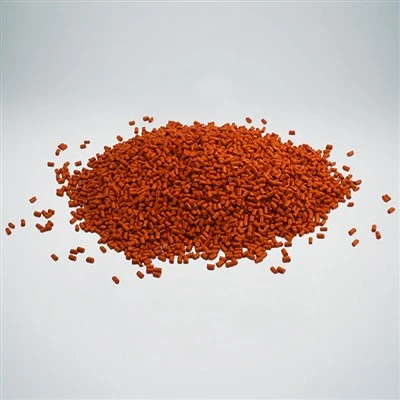
First, let’s cut through the industry jargon to define what TPR even is, because a lot of confusion starts here. TPR stands for Thermoplastic Rubber, and it’s a subset of TPE (Thermoplastic Elastomer). Unlike traditional vulcanized rubber, which requires cross-linking with heat and chemicals to set, TPRs are made from a mix of polymer blends—usually styrene-ethylene-butylene-styrene (SEBS), styrene-butadiene-styrene (SBS), or polyolefin-based resins blended with softeners and additives. That makeup gives TPR its signature flexibility, elasticity, and ease of processing: it melts when heated, can be molded into complex shapes, and reprocessed multiple times, which is a big plus for manufacturers looking to reduce scrap. But that same blend of components is what makes the biodegradability question so nuanced.
Here’s the hard, scientifically backed truth most basic explanations skip: standard, commodity TPR is not biodegradable. Let’s clarify what “biodegradable” actually means, too, because that’s another point of confusion. A material is considered biodegradable if living organisms—bacteria, fungi, or microbes—can break it down into natural, non-toxic compounds like water, carbon dioxide, and biomass over a relatively short timeframe, usually defined by standards like ASTM D6400 (for compostability) or ISO 14855. By that standard, common commodity TPRs, which are derived primarily from petroleum-based polymers, don’t qualify. The polymer chains in SEBS or SBS TPR are engineered to be stable, so they resist degradation from environmental factors like moisture, sunlight, or microbial activity. Leave a standard TPR phone case or a household seal in a landfill, and it will take decades—if not centuries—to break down, if it breaks down at all.
But before you write off all TPR as unsustainable, let’s talk about the other side of that coin: not all TPR is created equal. As a compound supplier, we’ve spent years developing modified TPR formulas that are biodegradable, or at least much more environmentally friendly than their standard counterparts. The key here is adjusting the base polymer blend and adding specific additives that enable microbial breakdown without sacrificing the performance properties TPR is known for—flexibility, grip, durability, and processability.
For example, some of our biodegradable TPR compounds use bio-based polymers as part of the blend, like PLA (polylactic acid) or PHA (polyhydroxyalkanoates), which are themselves derived from renewable resources like corn starch or sugarcane. When paired with SEBS or other elastomers, these bio-based components make the entire blend vulnerable to microbial attack. We also use proprietary biodegradable additives that don’t leach toxic chemicals—something that’s critical, because many “degradable” plastic additives are actually harmful to the environment when they do break down. The result is a TPR that meets ASTM D6400 or ISO 14855 standards, meaning it will break down in a commercial compost environment (home compost can be trickier, but we formulate many of our biodegradable TPRs to work in both) in 180 days or less.
But here’s the catch: biodegradable TPR isn’t a one-size-fits-all solution, and that’s where buyers get tripped up. A lot of brand owners come to us asking for “100% biodegradable TPR” for a dog toy or a packaging component, and when we deliver a product that meets the standard, they’re surprised it’s not as flexible as the standard TPR they used before. That’s because performance and biodegradability often require trade-offs, and it’s our job as a supplier to explain those trade-offs, not just deliver a product that checks a box. For high-impact applications like a shoe sole that needs to hold up to months of wear, for example, a fully biodegradable TPR might not be the right fit—instead, we offer recycled-content TPR, which is made from post-consumer plastic waste and keeps that material out of landfills without sacrificing durability. For applications where the product is meant to be discarded after use, like a single-use medical device component or a food packaging seal, our biodegradable TPR is the better choice.
Another common misconception: “compostable” and “biodegradable” are the same thing, and they work everywhere. That’s not true. ASTM D6400 certification, for example, only applies to materials that break down in controlled commercial compost facilities, which operate at high temperatures (130–170°F) and have specific microbial populations. Most residential compost piles don’t reach that temperature, so a compostable TPR might not break down at home, which means it will still contribute to landfill waste if it’s just tossed in a backyard compost bin. That’s why we educate our customers on end-of-life management before they even place an order: if their product is going to be composted in a commercial facility, our certified biodegradable TPR is perfect; if it’s going to a landfill or being recycled, we might recommend a recycled-content TPR that’s easier to integrate into existing recycling streams.
We also get a lot of questions about “bio-based vs. biodegradable” TPR, because these terms are often used interchangeably in marketing, but they’re very different. A bio-based TPR is made partially or entirely from renewable resources, but that doesn’t mean it will biodegrade. For example, we have a line of TPRs that are 50% derived from sugarcane-based polyolefins, but they’re not biodegradable—they’re designed for applications where extending the lifecycle of petroleum resources is the main sustainability goal, not end-of-life breakdown. A bio-based TPR can be recyclable, reusable, or biodegradable, depending on the formula, and we clearly label every compound we make with both its bio-based content and its biodegradability status, so customers don’t fall for greenwashing.
Let’s also talk about the environmental impact for a second, because this isn’t just an academic exercise. According to a 2022 study from the European Plastics Converters Association, the global demand for TPE and TPR compounds is projected to reach 12 million tons by 2027, up from 8.5 million tons in 2022. That’s a huge market, and if all of that volume was standard petroleum-based TPR ending up in landfills, it would add millions of tons of plastic waste every year. But as a supplier, we’re seeing more and more customers prioritize materials that reduce their carbon footprint: 38% of the product inquiries we received in 2023 included a specific request for a TPR with some level of biodegradability or recycled content, up from just 12% in 2019. That shift isn’t just driven by consumer demand, either—regulations in the EU, California, and Canada are already restricting single-use plastics, and more regions are following suit, so manufacturers need to plan ahead to avoid compliance issues.
That said, biodegradable TPR isn’t a silver bullet. There are still challenges to scaling production, which is why many suppliers like us are investing in R&D to improve performance and bring costs down. For example, we recently launched a new line of biodegradable TPR for flexible grips on power tools that matches the durability of standard TPR, with no compromise to biodegradability. It took us 18 months of testing and tweaking formulas, working with third-party labs to verify breakdown rates and safety, but it’s worth it because it solves a real problem for our customers: they don’t have to choose between meeting their sustainability goals and delivering a product that lasts.
If you’re reading this and wondering if biodegradable TPR is right for your next project, here are a few questions to ask yourself first: What’s the application of your product? How is it going to be used, and how long will it be in service? What’s the intended end-of-life scenario for your product? If it’s a disposable item that will be composted, a certified biodegradable TPR is likely the best choice. If it’s a durable item that will be reused, recycled-content TPR is a better fit than biodegradable, because biodegradable TPR doesn’t always recycle well—its additives can contaminate recycling streams. If you’re not sure, that’s okay—we work with every customer to assess their specific needs and design a TPR compound that aligns with both their performance requirements and their sustainability targets.
At the end of the day, the answer to “Is TPR biodegradable?” is: it depends on the formula. Standard petroleum-based TPR is not biodegradable, but modified, certified biodegradable TPR is a real, viable option for many applications. The key is to avoid generic answers, do your research, and work with a supplier that is transparent about their materials and their performance, not just their marketing claims. As a TPE and TPR compounds supplier, our job isn’t just to sell material—it’s to help our customers make products that are better for the environment, without sacrificing the quality and reliability that their brands depend on.
If you’re working on a new product design, or you’re looking to switch to a more sustainable TPR compound for your existing line, we’re here to help. We can share test data, offer sample materials, and walk you through the pros and cons of each formula so you can make an informed decision that works for your business and your sustainability goals. Don’t hesitate to reach out to discuss your specific requirements.
Cross-Linked LSZH Cable Compounds References
- European Plastics Converters Association (EuPC). (2022). Global Thermoplastic Elastomer Market Report. Brussels: EuPC.
- ASTM International. (2020). Standard Test Method for Determining Aerobic Biodegradation of Plastic Materials in a Controlled Composting Environment (ASTM D6400). West Conshohocken, PA: ASTM.
- International Organization for Standardization. (2019). Standard Test Method for Determining the Aerobic Biodegradability of Plastic Materials Under Controlled Composting Conditions (ISO 14855). Geneva: ISO.
- Journal of Applied Polymer Science. (2021). “Biodegradable Thermoplastic Elastomers: Formulations, Performance, and End-of-Life Considerations.” Vol. 138, No. 24.
Opta New Materials (Jiangsu) Co., Ltd.
As one of the most professional TPE and TPR compounds manufacturers and suppliers in China, we also support customized service. We warmly welcome you to buy bulk durable TPE and TPR compounds from our factory. If you have any enquiry about free sample, please feel free to email us.
Address: No.80, Jingang Avenue, Zhenjiang New Area, Zhenjiang City, Jiangsu Province, China.
E-mail: le.yin@optachem.com
WebSite: https://www.optanewmaterials.com/
