Hey there, it’s Mia from the door skin supply team—you know, the person who gets at least three weekly DMs asking the same question: “Can I fix a door skin instead of replacing the whole door?” Today, I’m breaking this down for you, since I’ve spent the last five years troubleshooting everything from grocery store dings to hail damage on residential entry doors. Spoiler: The answer isn’t a simple yes or no. It depends on a lot of factors, and as someone who’s shipped 100,000+ door skins across the U.S. and Canada, I’ve learned exactly when repair is worth it and when replacing is the smarter, longer-lasting move. Door Skin
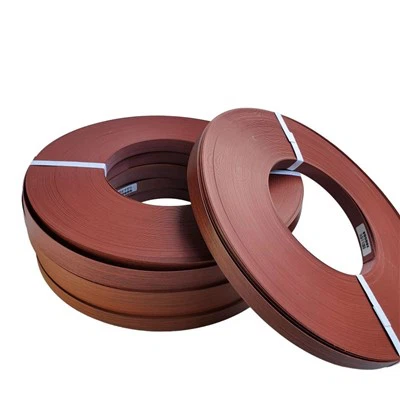
First, let’s get one thing straight: door skins aren’t just thin metal or plastic sheets slapped onto a door core. Most standard ones we supply are 22- to 24-gauge steel for residential doors, 16- to 18-gauge for commercial, and we also stock fiberglass and aluminum skins for specialty applications. That gauge matters a lot when it comes to repairability—thicker metal holds shape way better than thin, flimsy stuff. A lot of the DIY tutorials online forget that, which is why so many people end up with weird bulges or rust a month later.
Let’s start with the good news: small, superficial damage is almost always repairable. I’m talking about dings less than 2 inches across that don’t go all the way through the skin, or minor scratches that barely scratch the paint. Last month, a customer in Des Moines sent us a photo of a dent from a stray basketball on their front door—just a small circular mark, no crack, no paint missing. Our team walked them through a simple DIY fix using a dent puller kit (you can grab these at most hardware stores for under $20). The trick here is working from the back side of the door, if you can get to it. If your door is already hung, like most residential ones, you can use a plunger or a hair dryer and compressed air to gently pop the dent out without leaving a trace. I’ve seen that basketball dent fixed in 10 minutes, no leftover marks. That’s the kind of repair that makes sense—saves you the cost of a whole new door skin, and it’s permanent if you do it right.
But here’s the part no one tells you: most damage that actually needs a professional isn’t so straightforward. Let’s talk about dents over 2 inches, or dents that stretch across a panel seam. If you’ve got a crease, that’s a whole other ballgame. Creases happen when something heavy—like a lawnmower or a tree branch—slams into the door with enough force to bend the metal along a line, not just a round dent. Our fabrication team gets calls every week from people who tried to hammer a crease out themselves and ended up making it worse, like leaving tiny pinholes in the metal or stretching the paint so much it cracks. For creases, the fix isn’t just about bending the metal back—you have to work it with a pick from the back side, little by little, to avoid warping the surrounding area. I’d say about 70% of creases on steel skins 24-gauge or thicker can be repaired this way, but it’s not a job for beginners. If you mess up a crease, you’ll have to replace the skin anyway, so it’s worth paying $100 or so to a local metal door repair tech instead of wasting time and money DIYing it.
Now, let’s get into the damage that’s never worth repairing: tears, rust-through, and damage to the edges of the skin. A tear is when you’ve got a hole in the skin, even a small one like a nail pop or a impact from a sharp object. We supply skins with a protective primer layer, so a tear will let moisture get to the door core—usually wood or foam—underneath, and that leads to rot or mold within a year, even if you patch it temporarily. Rust-through is the same thing, but specific to steel skins. If the damage is on the bottom edge of the door (where water pools and the paint wears off) and there’s rust eating through the metal, there’s no way to seal that permanently. Patches will peel, rust will spread, and you’ll be back replacing the door in a year. Edge damage is another no-go: the sides of the door skin are folded over the core, so if that edge gets bent or torn, you can’t flatten it without compromising the fit. I learned this the hard way early in my career—we once sent a replacement skin to a customer who tried to bend the edge of a damaged one, and it didn’t fit right, leaving a gap that let drafts in. That’s when I started advising customers that edge damage is a full replace job, no exceptions.
Wait, what about fiberglass and aluminum skins, the other two types we supply? Their repairability is totally different. Fiberglass skins are more brittle than steel, so a hard impact (like a baseball to a fiberglass entry door) will usually crack the skin, and cracks over 1 inch can’t be repaired. You might be able to use filler on small cracks, but it will never match the original texture of the fiberglass, and it will yellow over time from sunlight. Aluminum skins, on the other hand, are super flexible—small dings on aluminum can be popped out easily, same as steel, but aluminum scratches way easier. If you’ve got a deep scratch on aluminum, you’ll have to repaint the whole door, which is more expensive than repairing a steel skin. That’s why we tell customers: if you live in an area with a lot of hail or stray basketballs, steel or aluminum is better for repairability long-term.
I also need to address the myth that “repair is always cheaper than replacement.” I’ve had customers tell me a repair cost $150, only to come back a month later because the dent they fixed started bulging again, and then they had to pay $200 for a new door skin plus labor. Let’s do the math: a standard 36”x80” steel door skin from our inventory costs around $120, right? If a repair job is $100 and it lasts 5 years, that’s a good deal. But if a repair is $150 and lasts 1 year, you’re better off paying $120 once for a new skin. The key here is damage severity: small, superficial damage = repair, large or structural damage = replace.
Another factor most people ignore is the age of your door. If your door is more than 10 years old, the paint formula for the skin is probably different from the one we stock now. Even if you repair the dent perfectly, repainting that spot will leave a noticeable color mismatch. That’s a big problem for entry doors, which are a focal point of your home’s curb appeal. In that case, replacing the whole skin is not just more durable—it makes your door look new again, no patchy spots. We actually recommend that for doors over 8 years old, even for small dents, just because the paint matching is such a hassle.
So, let’s wrap this up with a quick decision tree I use when customers ask me: 1) Is the damage less than 2 inches, no tear/crack/rust-through? → Repair is fine, DIY or pro. 2) Is it a dent over 2 inches or a crease on a steel/aluminum skin? → Call a pro repair tech. 3) Is it a fiberglass crack over 1 inch, tear, rust-through, or edge damage? → Replace the skin. 4) Is your door over 8 years old? → Even small dents, replace for paint matching.
At the end of the day, door skin repair isn’t a one-size-fits-all solution, and that’s exactly why so many people get it wrong. I’ve spent years working with our team to educate customers on what works, what doesn’t, and when to invest in a fix vs. a replacement. If you’ve got damage on your door and aren’t sure if it’s worth repairing or replacing, reach out to our team for a quick assessment—we can walk you through options, give you transparent pricing for both repair (if possible) and replacement skins, and make sure you get a solution that lasts. We stock a wide range of standard and custom door skins to fit any residential or commercial door, and we’ve helped thousands of customers avoid unnecessary costs and headaches over the years. Whether you’re a homeowner with a dented entry door or a contractor looking for reliable door skin supplies for a job, we’re here to help you make the right call.

Now, if you’re ready to browse our inventory, get a quote for a replacement skin, or ask a specific question about your door damage, our team is just a message away. We pride ourselves on being more than just a supplier—we’re partners in keeping doors looking their best, whether that means fixing a small dent or shipping a custom skin for a historic commercial building. Don’t waste time on DIY fixes that will fail a few months from now; let us help you get it right the first time.
Wood Veneer References:
- Door & Access Systems Manufacturers Association (DASMA). (2021). Residential Door Skin Repairability Guidelines.
- Metal Building Manufacturers Association (MBMA). (2022). Repair and Maintenance of Metal Door Skins.
- International Door Association (IDA). (2020). Fiberglass and Aluminum Door Skin Repair Best Practices.
- North American Wood Door Association (NAWDA). (2021). Door Component Damage Assessment for Replacement vs. Repair.
Yongkang City Dashu Decorative Materials Co., Ltd.
As one of the most professional door skin manufacturers and suppliers in China, we have world-leading production equipment and strong manufacturing capabilities. Please rest assured to buy bulk customized door skin at low price from our factory.
Address: No. 1199, Huajie West Avenue, Huajie Town, Yongkang City
E-mail: m13506791251@163.com
WebSite: https://www.dashutrim.com/
