If you’ve ever walked into a juice bar, a pharmacy, or a small-batch beverage production facility, you’ve probably noticed how consistently syrups are measured and poured—no more, no less, every single time. That consistency doesn’t happen by accident. It comes from a well-trained team operating a syrup filling machine, and as someone who’s spent 12 years in this industry—selling, installing, and troubleshooting these machines for production teams across North America—I can tell you: the most common mistakes I see aren’t with the equipment itself. They’re with people skipping the right training steps. Syrup Filling Machine
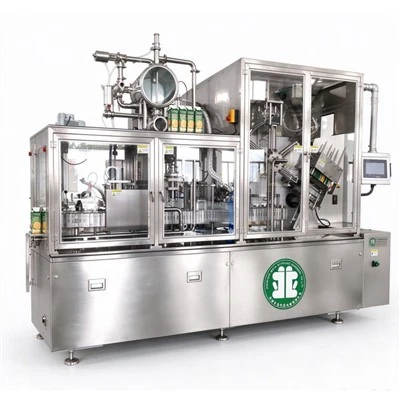
Most of the time, when a new client picks up a syrup filling machine from us, they’re excited to get their line running fast. We get it—cash flow doesn’t wait, and production delays cost money. But I’ve seen teams skip the basics, rush through setup, and end up with overfilled bottles (wasting thousands in syrup), underfilled orders (ruining customer trust), and even safety issues from mishandling the machine’s pressurized lines. That’s why today, I’m breaking down the step-by-step training process we teach every new client, straight from the team here at our manufacturing and supply facility. This isn’t abstract textbook stuff—this is the hands-on, common-sense training we’ve refined over hundreds of installs, and it works.
First, let’s start with the “why” behind every step. A syrup filling machine isn’t a one-size-fits-all tool. Whether you’re filling 10mL pediatric cough syrup bottles, 500mL coffee syrup squeezes, or 2L bulk beverage concentrates, your training needs to match your product and your line. If your team skips calibrating to their specific syrup’s viscosity, for example, a machine that works perfectly for thin fruit syrup will overfill thick elderberry syrup every time. That’s the first rule of training we preach: never apply a generic process to your unique needs.
Let’s get into the actual training flow, starting with pre-operation fundamentals. Before anyone even touches the machine, they need to master three core basics: machine anatomy, syrup safety, and line coordination. I always run through this with new teams during our on-site training (we offer optional on-site sessions, though we’ll cover the remote version here too).
First, machine anatomy. A syrup filling machine has more moving parts than it looks like, and every part has a job. The hopper is where you load the bulk syrup—if you don’t know how to remove the strainer inside the hopper, you’ll end up with fruit pulp or undissolved sugar clogging the filling nozzles. The peristaltic pump, which is the heart of our machine models, pushes syrup through the lines; if you over-tighten the pump tubes, they’ll crack prematurely, leading to leaks. The pressure regulator controls how much syrup flows out of each nozzle, critical for avoiding messes. And the conveyor system that moves bottles into place? That’s not just a conveyor—it’s a timing mechanism. If a bottle is misaligned when the nozzle drops, you’ll spill syrup all over the line. We spend 30 minutes on this part of training, walking the team through each part, letting them touch the tubes, point out the strainer, and test the conveyor on idle so they feel comfortable with every component. No one operates a machine they don’t understand.
Next, syrup safety. This is non-negotiable, no matter what kind of syrup you’re filling. Syrups, especially pharmaceutical or food-grade ones, are sticky, and if they’re pressurized in the machine, a sudden release can cause burns or eye injuries. We train teams to always lock out the machine before cleaning or adjusting nozzles—even if the machine is turned off, the pump can still pulse if someone hits the control panel by accident. We also go over PPE (personal protective equipment): nitrile gloves to avoid sticky residue on hands, safety glasses to shield against spills, and closed-toe shoes to protect feet if a bottle slips. I once had a client’s new employee skip safety glasses and have syrup splatter in their eye—fortunately it was just a minor irritation, but it could have been worse. That’s why this part is mandatory, not optional.
The second phase of training is hands-on calibration, the most critical step for consistent filling. This is where most teams go wrong: they use a one-size-fits-all setting from the machine’s manual and never adjust for their specific syrup. Calibration has three parts, and we walk through each with test bottles first, no production syrup wasted.
First, viscosity testing. Syrup thickness varies wildly: plain sugar syrup is thin, while maple syrup is thicker, and cough syrup with added thickeners is even more viscous. The peristaltic pump in our machines adjusts flow speed based on viscosity. To test it, we have the team pour a small sample of their syrup (we even provide a sample kit during training if they don’t have their own) into the hopper, run the pump for 10 seconds, and measure how much syrup comes out of a test nozzle. If it’s too much, they slow the pump speed; if too little, they increase it. We do this three times to average out any slight inconsistencies, so the flow is steady every time.
Second, volume calibration. This is where you get the exact amount per bottle. For example, if you need 250mL of vanilla syrup, the team will set the machine to dispense 250mL, then run 10 test bottles and measure each one with a graduated cylinder. We’ve had teams skip this step and wonder why they’re 10mL over per bottle—multiply that by 10,000 bottles a week, and that’s 100 liters of syrup wasted, which adds up to thousands of dollars a month. We teach the “10-bottle test” because individual bottles can have minor variations, but 10 tests give you a reliable average. If one test is off, adjust the volume setting slightly and test again.
Third, pressure and speed calibration. The conveyor speed has to match the pump speed. If the conveyor moves too fast, the nozzle will drop before the bottle is in place, spilling syrup. If it moves too slow, you’ll have bottlenecks in your production line. We adjust both together during testing, running a full cycle of 10 bottles and checking for alignment, spills, and accurate volume. This step takes a little time, but it’s what keeps your line running smoothly, not stopping every 10 bottles to clean a spill.
The third phase of training is operation and troubleshooting, because even the best-trained team will hit a problem eventually. We split this into two parts: routine operation for day-to-day use, and common minor issues that don’t require a service call.
Routine operation is straightforward, but we drill it to make it second nature. Step one: load 5 gallons (or whatever size bulk container you use) of syrup into the hopper, making sure to line the strainer to catch any debris. Step two: run a quick 5-bottle test to confirm calibration is still good—important, because syrup viscosity can change if it’s been sitting in the hopper for a while, especially if it’s chilled. Step three: align the conveyor to line up bottles under each nozzle, lock the conveyor in place, and start the cycle. Step four: at the end of the shift, turn off the machine, remove the pump tubes, flush them with warm water and a mild soap to prevent syrup from drying and clogging, and clean the hopper. We even give teams a printed checklist to keep by the machine, so no one skips a step on a busy day.
Troubleshooting is the part that saves time and service fees. The most common issues we see are: clogged nozzles, leaks, and inconsistent fill levels. We train teams to fix these without calling us for every small problem. Clogged nozzles usually happen from dried syrup—we show how to gently disassemble the nozzle (remind them to lock out the machine first!) and soak it in warm water for 10 minutes, then run a test to clear it. Leaks often come from loose pump fittings or cracked tubes—we teach them to check the tubes for wear at the start of each shift, and replace any that have small cracks before they leak. Inconsistent fill levels are usually from a misaligned conveyor or a slightly worn pump tube—we walk them through rechecking alignment and swapping out a test tube to see if that fixes the issue. For more serious problems, we have a 24/7 support line, but 90% of the issues our clients face are solvable in-house once they’ve had proper training.
The fourth and final phase of training is ongoing refreshers, especially if your team turns over. I’ve seen new employees come in and think they can figure out the machine on their own, which leads to mistakes. We recommend monthly 15-minute refreshers for core operators, and a full retraining every six months or after any new hire joins. I also tell clients to assign one “machine lead” per shift, the person who’s the go-to for any questions, so there’s no confusion during production. Last year, a client of ours had a new operator skip the lockout step while adjusting a nozzle, leading to a small syrup spill and a day of downtime. After we did a follow-up refresher, that didn’t happen again. Ongoing training isn’t just a one-time thing—it’s how you keep your line running efficiently long-term.
Now, I know what some of you are thinking: “We’re a small team, we don’t have time for all this training.” Let me be clear: the time you spend training your team now saves you far more time and money in the long run. When I first started in this industry, I worked with a small craft syrup maker who rushed through training and ended up wasting $2,000 in syrup in a single week. They called us panicking, and by the time we came in to recalibrate and retrain their team, they’d lost a big client because orders were delayed. That’s the kind of mistake that’s avoidable with proper training.
At our company, we don’t just sell syrup filling machines—we support our clients for the entire lifecycle of the equipment. That means our training isn’t a one-day session that ends when the machine is delivered. We offer on-site training for teams within a 500-mile radius, and for clients further away, we do live virtual training sessions where we walk the team through the machine, calibration, and troubleshooting over Zoom, with screen shares and hands-on practice guiding them through each step. We also provide a detailed training manual for every machine, plus a video library of troubleshooting clips that team members can access anytime on our client portal.
If you’re ready to invest in a syrup filling machine for your production line, don’t cut corners on training. A well-trained team will turn your new machine into a reliable asset, helping you cut waste, meet order deadlines, and keep your customers happy. Whether you’re a small craft brand just starting out or a large pharmaceutical producer expanding your line, the right training makes all the difference.
If you’re ready to learn more about our syrup filling machines or discuss training options for your team, reach out to our sales team to schedule a consultation. We’re here to help you get your line running smoothly, with the support you need every step of the way.
Gable Top Lotion Filling Machines References:
- Food and Drug Administration. (2022). Best Practices for Manufacturing and Processing Food and Beverage Products. U.S. Department of Health and Human Services.
- International Society of Beverage Technologists. (2021). Filling Equipment Calibration and Validation Protocols. ISBT Technical Report Series.
- Occupational Safety and Health Administration. (2020). Personal Protective Equipment for Food Processing Operations. OSHA 3980-12.
Shenyang Beiya Beverage Machinery Co., Ltd.
With abundant experience, we are one of the most professional syrup filling machine manufacturers and suppliers in China. If you’re going to buy customized syrup filling machine made in China, welcome to get quotation from our factory. For price consultation, contact us.
Address: No.2-1, Tongling Street, Yuhong District, Shenyang City, Liaoning Province, China
E-mail: market@sybeiya.com
WebSite: https://www.chinafilling.com/
