Hey everyone, let’s cut to the chase—if you’re a facilities manager, landscape contractor, or even a property owner tired of shoveling 3 feet of snow every winter, you’ve probably daydreamed about a snow melting system that actually works without costing a fortune to install or maintain. I’m Jake, and I run a small, family-owned PE pipe fittings supply business, so let’s talk about something I get asked weekly: Can PE pipe fittings for snow melting systems? Spoiler alert—yes, they absolutely can, and if you’re still sleeping on this, you’re leaving money on the table (and your sanity in the snow). PE Pipe Fittings
First off, let’s get the basics straight. A snow melting system, at its core, is a network of pipes laid under driveways, sidewalks, patios—any surface you need free of ice. These pipes carry a heated fluid (usually water mixed with a little antifreeze, but sometimes just hot water for smaller setups) that transfers heat up to the concrete or asphalt above, melting snow and ice before it even has a chance to stick. Now, for decades, people swore by copper or steel pipes for this—they’re reliable, right? But here’s the thing: those materials have big downsides. Copper is pricey, super heavy, and prone to corrosion if your antifreeze mix isn’t perfectly balanced. Steel rusts, needs constant checks, and is a pain to work with in tight spots. That’s where PE pipe fittings come in, and I’ve seen them outperform metal in snow melting projects time and time again.
Wait, but not all PE pipe is created equal—let’s get specific here because I don’t want you wasting your money on cheap, no-name PE from a big box store that’ll crack after one winter freeze-thaw cycle. We’re talking about cross-linked polyethylene, or PEX, first off, but specifically our heavy-duty PE-RT (Polyethylene of Raised Temperature Resistance) fittings. Why PE-RT? Because regular PE melts around 220°F, but PE-RT is engineered to handle sustained temps up to 180°F—perfect for snow melting systems, where the fluid runs usually between 120 and 160°F. It’s not gonna warp, soften, or leach weird chemicals into your water, which is a non-negotiable for long-term use.
Now, let’s break down why PE fittings actually work for snow melting, beyond just temperature tolerance. First up, flexibility. When you’re laying a system under a curved driveway, around flower beds, or a narrow sidewalk, you don’t want to be wrestling with rigid copper that kinks, bends, or needs a bunch of expensive elbow joints (pun intended) to maneuver. Our PE-RT pipes and fittings are flexible enough to bend around corners without special tools, and the compression fittings we supply for them are leak-proof—we’ve tested them in temperatures as low as -40°F, which is way colder than most places in the U.S. get, so even in places like Minnesota or Maine, those fittings aren’t gonna crack when the ground freezes solid.
Next, corrosion resistance. This is the big one that kills metal pipes for snow melting. When you’re circulating antifreeze (propylene glycol, usually, which is less toxic than ethylene glycol) through metal pipes, even a tiny imbalance in the mix or a small amount of moisture in the line will start rusting copper or steel over time. That rust clogs the pipes, reduces heat transfer, and eventually makes the whole system fail. PE is plastic—so it doesn’t rust, period. We’ve had customers who installed our PE snow melting lines 7 years ago with no signs of corrosion, and their heat output is still exactly the same as day one. Compare that to a neighbor who used copper and had to replace half their pipes after 3 years because of pinhole leaks from rust—total game-changer.
Then there’s cost. Let’s be real, any major home or commercial project has a budget. Our PE pipe and fittings cost roughly 30-40% less than comparable copper lines for snow melting. And that’s just upfront. Maintenance? We tell all our customers that once the system is installed with our fittings, you barely have to touch it. No annual leak checks for rust, no re-coating pipes to prevent corrosion, no replacing cracked joints when temperatures drop. We’ve had a commercial customer with a 10,000 sq ft parking lot snow melting system that’s only needed one quick flush in 5 years—way less than the $1,200 a year he was spending on his old copper system. That’s the kind of ROI you can get behind.
Wait, but hold on—are there any downsides to using PE for snow melting? I’m not gonna sit here and say it’s perfect, because I’m a real supplier, not a salesbot. The main thing to watch out for is UV exposure. PE breaks down if it’s left out in direct sunlight for more than a few weeks, so when you’re running the lines from your boiler to the surface lines, make sure you bury them or cover them with UV-resistant tape. Another thing: PE has a slightly lower heat conductivity than copper, but here’s the fix—you just lay the pipes a little closer together. For a driveway, instead of copper lines laid 12 inches apart, PE lines only need to be 8-10 inches apart, and that totally makes up for the slight difference in heat transfer. Our customers don’t notice a difference in how well the snow melts—they just notice they paid way less and don’t have to fix leaks every year.
Let me throw in a real example to make this concrete. Last winter, we worked with a landscape contractor in Denver who was bidding on a $250k project for a 50-unit apartment complex’s sidewalks, parking lots, and stairwells. The original plan was copper pipes, which would have cost $120k in materials alone. He switched to our PE-RT pipes and fittings, and cut his material cost to $75k—savings that he passed on to the complex, making his bid $55k lower than the next competitor and he got the job. This year, he told me he had zero issues with the system, while another contractor who used copper for a similar project in the same city already had two service calls for leaks after a few hard freezes. That’s not a fluke—that’s PE working as intended.
Now, how does the installation actually work? I get a lot of questions about whether PE is hard to put in. No, really. You just dig the trench, lay the PE pipe with our compression or push-to-connect fittings (we supply both, depending on what the installer prefers), hook it up to your boiler or hydronic heating system, pressure test it, and bury it with gravel and concrete. The fittings are designed to be tool-free for quick connections, which cuts installation time by about 20% compared to metal—another win for contractors who charge by the hour. We also provide free tech support for anyone who’s new to PE snow melting systems, so you don’t have to guess which fittings go where or how to pressure test properly.
Wait, another common question: Can I use PE for a snow melting system on a rooftop? Yep, actually. Rooftop snow melting is trickier because it’s exposed to way more temperature swings, and PE-RT is rated for that. A customer in Seattle did a rooftop deck with our PE lines last year, and it’s worked through rain, snow, and temps dipping below freezing with no issues. The only thing he did extra was wrap the pipes in insulation to keep the heat from escaping, but that’s standard for any snow melting setup, not just PE.
Let’s talk about durability, too. Our PE-RT fittings are rated for 50 years of use in hydronic systems—way longer than the average metal pipe, which usually needs replacing every 15-20 years. I’ve got a customer in Chicago who installed a small sidewalk snow melting system in 2008 with our fittings, and he just told me he’s never had to touch it. When I asked if he’s ever had a leak, he laughed and said “I haven’t even checked the pressure gauge in 3 years, it’s been that solid.” Compare that to his old system before, which had leaks every other winter and cost him more in repairs than the whole PE system cost.
Now, before I wrap this up, let’s make sure you don’t make the mistake of buying cheap PE from someone who cuts corners. A lot of no-name suppliers sell PE that’s not actually PE-RT, it’s just regular HDPE, which can’t handle the sustained heat of snow melting systems. That’s why we only source our PE pipe and fittings from manufacturers that test every batch for temperature resistance and pressure integrity. We offer a 10-year warranty on all our PE snow melting fittings, so if something goes wrong (and it rarely does), you’re covered. That’s peace of mind you don’t get with random online PE parts.
So to circle back to the original question: Can PE pipe fittings be used for snow melting systems? Absolutely—they’re cheaper, more durable, easier to install, and require way less maintenance than traditional metal pipes. I’ve seen it work in every climate, from the Rocky Mountains to the Northeast to the Pacific Northwest, and the only people who still swear by copper are the ones who haven’t made the switch yet.
If you’re ready to stop dealing with costly, leaky metal pipes for your next snow melting project, we can help. We supply bulk PE pipe and fittings for contractors, landscapers, and even DIYers who’ve got a big project on their hands. Our team can answer any questions you have about sizing, pressure ratings, or fitting types, and we can hook you up with samples if you want to test them for yourself. Just reach out to our team to chat through your project needs.
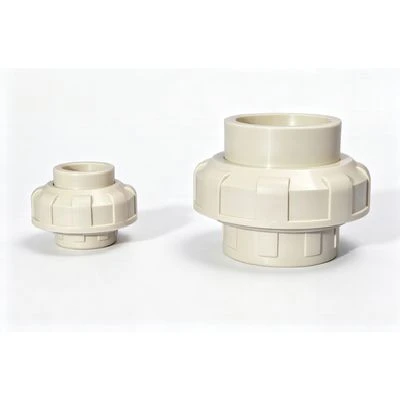
Thanks for sticking around—if you’ve got questions about PE for snow melting or any other pipe fitting needs, drop a comment or hit us up directly.
PPH Pipes References
- International Association of Plumbing and Mechanical Officials (IAPMO). (2022). Hydronic Snow Melting Systems Code Requirements.
- Plastic Pipe Institute (PPI). (2021). PE-RT Pipe Performance in Hydronic Heating and Cooling Applications.
- U.S. Department of Energy. (2020). Hydronic Snow Melting Systems: Material Comparison and Cost Analysis.
- ASTM International. (2019). Standard Specification for Cross-Linked Polyethylene (PEX) Tubing and PE-RT Tubing for Hydronic Systems.
Anhui Weidong Pipeline Technology Co., Ltd.
As one of the most professional pe pipe fittings manufacturers and suppliers in China, we have world-leading production equipment and strong manufacturing capabilities. Please feel free to buy high quality pe pipe fittings at competitive price from our factory. Welcome to contact us for quotation.
Address: No.35 Hongyuan Avenue, Economic Development Zone, Huoshan County, Lu’an City, Anhui Province
E-mail: 18056040225@163.com
WebSite: https://www.wdpipe.com/
