Hey there, fellow metal fab and manufacturing folks! If you’re running an oil mist collector (OMC) in your shop, you know how game-changing these things are—cutting through that greasy, airborne mess from CNC mills, lathes, and stamping presses, keeping air clean, complying with OSHA rules, and even extending the life of your machinery filters. But let’s be real: nothing kills your workflow faster than a low airflow issue. One day your mist collector is humming along, next thing you know, it’s barely pulling in any oil mist, and you’re left staring at your CNC’s exhaust port wondering, “What the hell’s wrong here?” Oil Mist Collector
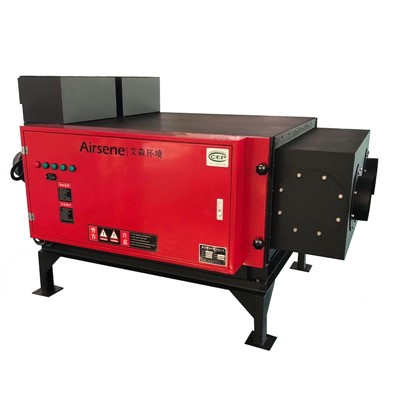
As someone who’s been in the OMC game for years—working directly with shop managers, maintenance techs, and line leads every week—I’ve seen this exact issue drive people nuts. And more often than not, it’s fixable without dropping a ton of cash on a new unit. Today, I’m walking you through a step-by-step troubleshooting process that’s actually actionable, no fancy engineering degree required. Let’s dive in.
First, let’s get on the same page: low airflow isn’t just an annoyance. It means your collector isn’t doing its job—oil mist is building up in your shop, risking respiratory issues for your team, and maybe even triggering OSHA inspections. It can also put extra strain on your OMC motor, leading to premature wear, so we’re not just chasing “good airflow” for fun.
Step 1: Start with the Basics—Check the Easy Stuff First
Before you tear apart the whole unit, rule out the dumbest (and most common) issues. I’ve had shops call me panicking, saying their OMC is dead, only to find someone shut off the unit’s power switch because it was “making a weird noise” and forgot to flip it back. Don’t skip this.
First, verify power: Is the OMC plugged in (if it’s a portable model) or is the circuit breaker for its dedicated tripped? A lot of shop circuits get overloaded by welders, grinders, and other big tools, so double-check the breaker box. If it’s tripped, reset it—but if it trips again immediately, that’s a separate problem (probably a motor issue, not low airflow, so call a tech for that).
Next, check the main inlet: The inlet is where oil mist first enters your collector. If it’s clogged with swarf, metal shavings, or accumulated oil sludge, that’s a total airflow killer. I once visited a shop where a CNC lathe’s chip conveyor dumped small metal bits right on the OMC inlet—within two weeks, the inlet was 80% blocked, and airflow dropped so low the mist was spilling into the break room. Grab a screwdriver or a pair of pliers, remove the inlet grill (most are tool-free these days), and clear out any gunk. Pro tip: Do this weekly if you run a high-volume shop with lots of hard metal cutting—small bits add up fast.
Then, check the outlet/exhaust port: Wait, you read that right. Air has to exit the collector to pull new air in, so a blocked outlet is just as bad as a blocked inlet. If your OMC vents outside, check the exhaust duct for bird nests, snow (if you’re in a cold climate), or oil residue that’s solidified. If it’s a recirculating model (some OMCs filter air and blow it back into the shop), check the outlet filter grill—those can get clogged with lint or mist residue, especially near fabric or woodworking areas.
Step 2: Inspect the Filters—The Most Common Culprit
Okay, if the basics check out, the next thing to look at is your filters. This is where 70% of low airflow issues come from, hands down. OMCs use two main types of filters: pre-filters (the first line of defense, usually mesh or foam) and main HEPA or coalescer filters (the ones that actually catch the tiny oil mist particles).
Let’s start with pre-filters: These are designed to catch big, heavy particles before they hit the main filter, so they get dirty fast—sometimes in a few weeks if you’re running a 24/7 shop. If your pre-filter is caked in oil and metal shavings, it’s acting like a sponge blocking air flow. Most pre-filters are washable (foam ones especially) so you don’t have to replace them every time. Grab some degreaser, a bucket, and a hose, give it a good scrub, let it dry completely, and pop it back in. If it’s torn or deformed, replace it—they’re cheap, like $20-$50, way cheaper than a main filter replacement.
Now the main filter: This is where things get a little trickier. Coalescer filters work by combining tiny mist droplets into bigger ones that drain into the collection tray, while HEPA filters trap ultra-fine particles. Both clog over time, and when they do, airflow plummets. How do you know if it’s time to replace it? Some OMCs have a pressure gauge or a differential pressure alert—if the gauge is above the manufacturer’s recommended limit (usually 1.5 to 2.5 inches of water column), that’s a red flag. If you don’t have a gauge, check the filter visually: Hold it up to a light—if you can’t see through it, or it’s covered in dark, crusted oil, it’s toast.
Wait, but don’t just yank it out and replace it right away—sometimes you can clean a main filter (especially coalescer ones) if it’s not too caked on. Use warm water and a mild degreaser, gently wash the surface (don’t scrub hard—you’ll damage the filter media), let it air dry for 24 hours, and test it. If airflow is back, great—if not, swap it. A lot of shops wait too long to replace main filters, which actually damages the filter beyond repair, so set a schedule: every 3-6 months for high-volume shops, every 6-12 months for low-volume.
Quick note: If you have a self-cleaning OMC (some models use pulse cleaning to shake off filter gunk), make sure the pulse system is working. Check the air line for the pulse nozzles—if it’s leaking, or the valve isn’t triggering, the self-cleaning won’t work, leading to filter clogging. I see this a lot in shops that ignore their OMC’s maintenance schedule—they forget to check the pulse line, so the filter gets caked in oil.
Step 3: Check the Ductwork and Connections—Leaks Are a Big Hidden Problem
This is the step most people skip, but it’s a huge one. If your OMC’s ductwork has leaks, you’re not pulling enough mist—air is escaping before it gets to the collector. Even a small, ¼-inch leak can reduce airflow by 10-15%, and that adds up fast.
How to find leaks? There’s a super easy, cheap trick: Turn on the OMC, close all the shop doors and windows to make it calm, then hold a piece of tissue paper (or a smoke pencil, if you have one) along every duct connection, joint, and clamp. If the tissue pulls toward the duct, that means air is leaking out. If it blows away from the duct, that’s a vacuum leak (air getting in where it shouldn’t). Either way, fix it.
Most leaks are from loose clamps or cracked duct tape. First, tighten all the hose clamps on duct connections—they’re easy to loosen with a screwdriver or wrench. If the duct is made of flexible aluminum, check for holes or tears—sometimes metal shavings from the shop can punch small holes in the duct, leading to leaks. If it’s a small hole, use metal duct tape (not regular packing tape—metal tape sticks better to greasy surfaces) to patch it. For bigger tears, you’ll need a section of new duct.
Another thing: If you have multiple machines connected to one OMC, check the branch lines (the ducts going to each machine). If a branch line is too small, or has a lot of bends, it can restrict airflow. For example, a CNC mill that’s 6 inches wide shouldn’t have a 4-inch branch duct—that’s like trying to pour water through a straw. Make sure each branch duct is the same size as the machine’s exhaust port, and that bends are gradual (90-degree bends should be at least 12 inches in radius, not sharp corners).
Step 4: Inspect the Motor and Fan—The Heart of the OMC
If you’ve gone through all the above and airflow is still low, the problem is probably with the motor or fan. These are the parts that generate the suction to pull air through the system, so if they’re not working right, airflow dies.
First, check the fan impeller. The impeller is the blade assembly that spins to pull air. Over time, oil and metal shavings can build up on the impeller blades, throwing them out of balance and reducing airflow. Turn off the OMC, unplug it, and remove the fan cover (again, tool-free on most models). Wipe the blades down with a degreaser—if there’s a thick layer of oil or gunk, that’s your issue. If the blades are bent (from a metal shaving hitting them, for example), you’ll need to replace the impeller, but that’s rare unless you’ve had a big impact.
Next, check the motor. If the motor is running but the impeller isn’t spinning, that’s a belt issue (for belt-driven OMCs). A lot of smaller OMCs use a belt to connect the motor to the fan; if the belt is loose, worn, or broken, the fan won’t spin. Unplug the unit, check the belt—if it’s cracked or frayed, replace it. If it’s just loose, adjust the tension (most belt-driven OMCs have an adjustment bolt for the motor to move it tighter to the fan).
If it’s a direct-drive OMC (no belt, motor connected straight to the fan), the motor might be dying. Listen for weird noises—grinding, squealing, or humming without the fan spinning. If that’s the case, you might need a new motor, but don’t panic: A lot of motor issues are just low on lubrication, but wait—before you lubricate, check your OMC’s manual! Some modern motors are sealed and don’t need oil, and adding oil to the wrong place can break it. If you’re not sure, call a tech.
Step 5: When to Call In the Pros (and When to Replace the OMC)
Okay, let’s be real—some issues are beyond DIY. If you’ve tried all the steps above and airflow is still low, or you’re dealing with electrical issues (like the tripped breaker that won’t stay reset), it’s time to call a professional. I’ve seen shops try to fix a motor issue themselves and end up with a fried control board, which is way more expensive than a service call.
And when is it time to just get a new OMC? If your unit is 10+ years old, even after replacing filters and motors, it won’t have the suction or efficiency of a new model. Older OMCs also use outdated filter media that’s less effective at catching fine mist, so you’re wasting money on maintenance and still having air quality issues.
Wait, one last pro tip that I give every shop owner: Keep a maintenance log. Jot down when you change pre-filters, clean the main filter, check ductwork, and inspect the motor. This way, you’ll catch small issues before they turn into big ones, and troubleshooting becomes way faster—no more guessing what you did last month.

At the end of the day, low airflow in your oil mist collector isn’t a mystery—it’s a chain of small, fixable issues. From clogged pre-filters to leaky ducts, most of the time, you can solve it in an hour or two with tools you already have in your shop.
Filter Purifier If you’ve tried these steps and still can’t get that airflow back to where it needs to be, or you’re looking to upgrade to a more efficient OMC that’ll cut down on maintenance, hit us up. We work with shops of all sizes—from small job shops to big automotive plants—to get their mist collection working right. Don’t let bad air flow hold back your productivity or put your team’s health at risk. Reach out to us today to talk through your needs and find the right solution for your shop.
References
- Occupational Safety and Health Administration (OSHA). 2023. “Ventilation for Controlling Oil Mist and Metalworking Fluids.” OSHA Technical Manual, Section III, Chapter 10.
- National Institute for Occupational Safety and Health (NIOSH). 2022. “Guidelines for Oil Mist Control in Manufacturing Facilities.” DHHS (NIOSH) Publication No. 22-101.
- Fluid, Air, & Power Society (FAPS). 2021. “Maintenance Best Practices for Industrial Mist Collectors.” Journal of Industrial Hygiene and Safety, Vol. 47, No. 3.
Shaoxing Airsene Environmental Technology Co., Ltd.
As one of the most professional oil mist collector manufacturers in China, we’re featured by quality products and low price. Please rest assured to buy discount oil mist collector made in China here from our factory. We also accept customized orders.
Address: No. 1821, Renmin West Road, Shangyu Economic Development Zone, Shaoxing, Zhejiang Province
E-mail: airsene@163.com
WebSite: https://www.airsene.net/
