As a provider of night vision goggles, I’ve had the privilege of witnessing firsthand how these remarkable devices revolutionize the way we navigate and explore the world after dark, especially in the challenging terrains of mountainous regions. In this blog, I’ll delve into the science behind night vision goggles and explain how they function effectively in the unique environment of mountains. Night Vision Goggles

The Basics of Night Vision Technology
Before we explore how night vision goggles work in mountainous areas, it’s essential to understand the fundamental principles of night vision technology. There are two main types of night vision devices: image intensification and thermal imaging.
Image Intensification
Image intensification is the most common type of night vision technology. It works by collecting the tiny amounts of light available in the dark, including moonlight, starlight, and infrared light, and amplifying it to create a visible image. The process involves several key components:
- Objective Lens: The objective lens collects the available light and focuses it onto a photocathode.
- Photocathode: The photocathode converts the incoming light photons into electrons.
- Microchannel Plate (MCP): The MCP is a thin disk with millions of tiny channels. When the electrons pass through these channels, they are multiplied, creating a much larger number of electrons.
- Phosphor Screen: The phosphor screen converts the amplified electrons back into visible light, creating a greenish image that the user can see through the eyepiece.
Thermal Imaging
Thermal imaging, on the other hand, works by detecting the infrared radiation emitted by objects based on their temperature. All objects above absolute zero (-273.15°C) emit infrared radiation, and thermal imaging cameras can detect this radiation and create an image based on the temperature differences between objects. The main components of a thermal imaging system include:
- Infrared Detector: The infrared detector senses the infrared radiation emitted by objects and converts it into an electrical signal.
- Signal Processor: The signal processor analyzes the electrical signal and creates a digital image based on the temperature differences.
- Display: The display shows the thermal image to the user, typically in shades of black, white, and various colors to represent different temperatures.
How Night Vision Goggles Work in Mountainous Regions
Mountainous regions present unique challenges for night vision goggles due to the rugged terrain, varying weather conditions, and limited light sources. However, these devices are designed to overcome these challenges and provide users with clear visibility in the dark.
Terrain and Obstacles
The uneven terrain of mountains can make it difficult to navigate at night, with rocks, trees, and cliffs posing potential hazards. Night vision goggles help users identify these obstacles by providing enhanced visibility in low-light conditions. Image intensification goggles amplify the available light, allowing users to see the contours of the terrain and avoid potential dangers. Thermal imaging goggles, on the other hand, can detect the heat signatures of objects, making it easier to spot animals, people, or other warm objects in the dark.
Weather Conditions
Mountainous regions are often subject to unpredictable weather conditions, including fog, rain, and snow. These conditions can reduce visibility and make it challenging to use night vision goggles effectively. However, modern night vision devices are designed to withstand harsh weather conditions and provide clear visibility even in adverse environments. Some goggles are equipped with anti-fog coatings and waterproof housings to prevent moisture from interfering with the image quality. Additionally, thermal imaging goggles are less affected by fog and rain because they detect heat rather than visible light.
Limited Light Sources
In mountainous areas, the available light sources are often limited, especially in remote locations. Night vision goggles are designed to work in low-light conditions, making them ideal for use in mountains. Image intensification goggles can amplify the smallest amounts of light, including moonlight and starlight, to provide clear visibility in the dark. Thermal imaging goggles, on the other hand, do not rely on external light sources and can provide visibility even in complete darkness.
Applications of Night Vision Goggles in Mountainous Regions
Night vision goggles have a wide range of applications in mountainous regions, including:
Hunting and Wildlife Observation
Many hunters and wildlife enthusiasts use night vision goggles to track and observe animals at night. In mountainous regions, where animals are often more active after dark, night vision goggles can provide a significant advantage. Image intensification goggles allow hunters to see the movement of animals in the dark, while thermal imaging goggles can detect the heat signatures of animals, making it easier to spot them in dense foliage or rocky terrain.
Search and Rescue
Search and rescue teams often use night vision goggles to locate missing persons in mountainous areas. In the dark, it can be challenging to search for individuals, especially in rugged terrain. Night vision goggles provide enhanced visibility, allowing search teams to cover more ground and locate missing persons more quickly. Thermal imaging goggles are particularly useful in search and rescue operations because they can detect the heat signatures of people, even in low-light conditions.
Military and Law Enforcement
Military and law enforcement agencies use night vision goggles for a variety of operations in mountainous regions, including surveillance, reconnaissance, and tactical missions. Night vision goggles provide soldiers and law enforcement officers with enhanced visibility in the dark, allowing them to operate more effectively and safely. Image intensification goggles are commonly used for general surveillance and reconnaissance, while thermal imaging goggles are used for detecting heat signatures and identifying potential threats.
Choosing the Right Night Vision Goggles for Mountainous Regions
When choosing night vision goggles for use in mountainous regions, there are several factors to consider:
Type of Technology
As mentioned earlier, there are two main types of night vision technology: image intensification and thermal imaging. Image intensification goggles are generally more affordable and provide good visibility in low-light conditions. Thermal imaging goggles, on the other hand, are more expensive but offer better performance in adverse weather conditions and can detect heat signatures.
Magnification and Field of View
The magnification and field of view of night vision goggles are important factors to consider, especially in mountainous regions. Higher magnification allows users to see objects at a greater distance, but it also reduces the field of view. A wider field of view is useful for scanning large areas and detecting movement, while a higher magnification is useful for identifying specific objects or targets.
Durability and Weather Resistance
Mountainous regions can be harsh and unpredictable, so it’s important to choose night vision goggles that are durable and weather-resistant. Look for goggles that are made from high-quality materials and have a waterproof and shockproof housing. Additionally, some goggles are equipped with anti-fog coatings and other features to prevent moisture from interfering with the image quality.
Battery Life
Battery life is another important factor to consider, especially when using night vision goggles in remote locations. Look for goggles that have a long battery life and are compatible with rechargeable batteries. Some goggles also have a built-in battery indicator to let you know when the battery is running low.
Conclusion
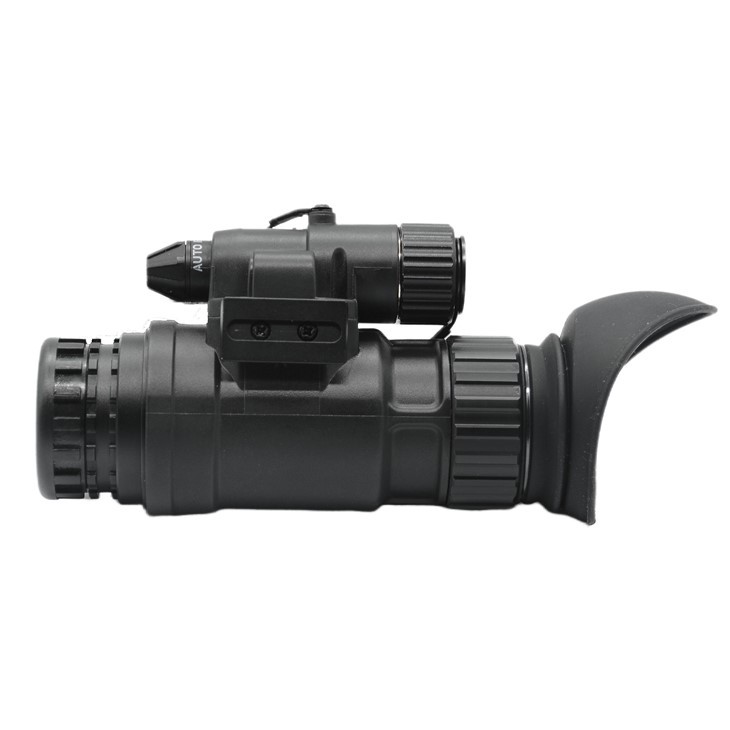
Night vision goggles are essential tools for anyone who needs to navigate or operate in the dark, especially in mountainous regions. These devices provide enhanced visibility, allowing users to overcome the challenges of rugged terrain, limited light sources, and adverse weather conditions. Whether you’re a hunter, wildlife enthusiast, search and rescue team member, or military or law enforcement officer, night vision goggles can help you stay safe and perform your tasks more effectively.
Night Vision Clip-on Systems If you’re interested in purchasing night vision goggles for use in mountainous regions, I encourage you to contact me to discuss your specific needs and requirements. I can provide you with detailed information about our products and help you choose the right night vision goggles for your application.
References
- "Night Vision Technology: How It Works and Its Applications." National Defense Magazine.
- "Thermal Imaging: Principles and Applications." Scientific American.
- "Choosing the Right Night Vision Goggles." Outdoor Life.
Shenzhen Detyl Optoelectronics Co., Ltd.
With abundant experience, we are one of the most professional night vision goggles manufacturers and suppliers in China. Please rest assured to buy customized night vision goggles at competitive price from our factory. For pricelist and quotation, contact us now.
Address: 4th Floor, Building 3, Factory, No. 20, Second Industrial Avenue, Tangxiayong Community, Yanluo Street, Bao’an District, Shenzhen
E-mail: sales@detyl.com
WebSite: https://www.detyl.net/
