If you’ve ever walked into a garment store, felt a comfy, wrinkle-resistant hoodie, or noticed how your bed sheets hold their shape wash after wash, chances are you’ve interacted with spun polyester yarn—even if you didn’t know it. As a spun polyester yarn supplier, I get asked this question all the time, usually from new clients who want to understand the stuff they’re working with before placing a big order: “Where did this even come from?” It’s not just a random invention, right? The origin of spun polyester yarn is a story of accidental discoveries, post-war industrial upgrades, and a lot of people tweaking chemistry to make something better than what came before. Let’s break this down like we talk about it in our warehouse, no stuffy lab jargon, I promise. Spun Polyester Yarn

First, let’s start with the basics: polyester itself. Most people know it’s a plastic, but that’s not the whole story. The first time someone made something that would turn into polyester fibers was way back in the 1930s, at British chemical company ICI. Two chemists, John Whinfield and James Dickson, were messing around with polymers in a lab, trying to make a material that was strong enough for things like radar components for World War II. They made a polymer called polyethylene terephthalate, or PET for short—and that’s the same plastic we use for soda bottles today, fun fact. Back then, they called their new fiber “Terylene.” It was a big deal, but after WWII, it was mostly used for industrial stuff: conveyor belts, tire cords, that kind of thing. No one was really thinking about it for clothes yet, because early polyester fibers were super stiff, scratchy, not at all comfortable against the skin.
That’s where the big shift came in, and where spun polyester yarn as we know it started to take shape. Fast forward to the late 1940s and early 1950s, right when American chemical company DuPont got their hands on Terylene. They tweaked the formula a little, trademarked it as Dacron, and started testing it for textiles. But here’s the thing: DuPont was making filament polyester yarn back then. Filament yarn is those long, continuous strands—think fishing line or the shiny threads you see in a dress. It was strong, cheap, but not soft. People didn’t want to wear scratchy plastic against their bodies. So textile manufacturers started asking: What if we cut those long filaments into short lengths, similar to natural fibers like cotton or wool, then twist them together? That’s spun yarn, plain and simple. And if you use polyester for those short pieces? That’s spun polyester yarn.
Wait, but why didn’t they just stick to cotton? Cotton is great, but it’s finicky. It shrinks, wrinkles, takes forever to dry, and every farmer knows how labor-intensive it is to grow. Spun polyester was the answer to a lot of post-war problems: it was cheap to mass-produce, didn’t shrink (if you treated it right), dried in half the time of cotton, and was way more durable. By the mid-1950s, spun polyester yarn was already popping up in things like work uniforms and inexpensive bed linens. It blew up in the 1960s when fashion designers started using it for casual clothes—think polyester leisure suits, which were huge for a minute (even if they got a bad rap later for being too shiny).
But the origin story doesn’t end there. Over the next few decades, manufacturers like us kept refining the process, right? Early spun polyester was super synthetic, almost plasticky, so people still preferred natural fibers for everyday wear. But by the 1980s, we figured out how to make it softer. We started mixing short polyester fibers with small amounts of natural fibers, or tweaking the way we spin the yarn to make it fluffier. That’s when it started showing up in t-shirts, socks, even activewear. Then, in the 2000s, we got even more eco-friendly: recycled spun polyester yarn. That’s when we started using old plastic bottles to make the fibers, cutting down on waste and making the whole process way greener. That’s a big part of why it’s still so popular today—no more “cheap plastic” vibe, now it’s a sustainable alternative to cotton.
Now, let’s get into how we make it, because that’s important if you’re looking to work with a supplier like me. The process starts with those PET polymer pellets—same as soda bottles, but processed to be pure enough for textiles. First, we melt the pellets down into a thick liquid, then push it through tiny holes in a machine called a spinneret. That makes long, thin filaments, right after the spinneret. Then we cool those filaments down, stretch them out to make them stronger, and then cut them into short pieces—usually 38mm or 51mm, depending on what we’re making the yarn for. Those short pieces are called staple fibers, just like cotton staple. Then we mix them (if we’re doing a blend) and feed them into a carding machine, which combs the fibers so they’re all aligned, no tangles. Next, we twist them together on a spinning frame—that’s what turns loose fibers into a strong, useable yarn. The twist is key here: too little, and the yarn falls apart; too much, and it’s stiff. We adjust that all the time for different orders, like if a client needs soft yarn for baby clothes, or strong yarn for outdoor gear.
A lot of people ask me: What’s the difference between spun polyester yarn and filament polyester yarn? That’s a good question, because they’re both polyester, but totally different uses. Filament is long, shiny, mostly used for things like upholstery, wedding dresses, or sewing thread. Spun is short, soft, fuzzy—exactly like cotton, so it feels way more natural against skin. That’s why when you see a t-shirt that says “50% cotton, 50% polyester,” that’s spun polyester. The mix makes it softer than 100% polyester, more durable than 100% cotton, and less likely to shrink or wrinkle.
Now, let’s talk about my side of this, because I’m not just some random lab fact. I’ve been a spun polyester yarn supplier for almost 15 years, and over that time, I’ve seen a lot of changes in the industry. Early on, a lot of clients would come to me because they needed cheap yarn for bulk orders, like bedding sets for hotels or work uniforms. Now, most of my clients are looking for specific things: eco-friendly options, yarn that’s GOTS certified (Global Organic Textile Standard), or yarn that’s extra soft for activewear. That demand for sustainability has shaped a lot of how we do business, too. We’ve invested in machines that turn 1000 plastic bottles into yarn every day, and we only work with suppliers who use recycled PET that’s been properly cleaned and processed, no toxic chemicals.
I’ve also learned that the best spun polyester yarn isn’t just about the chemistry—it’s about the consistency. If a client orders 10,000 pounds of yarn, they need every pound to be the same strength, the same color, the same softness. That’s why we test every batch before it leaves our warehouse. We pull samples, check the twist, test for shrinkage, make sure it doesn’t pill too much (pilling is that annoying fuzz that forms on clothes, right? We work hard to minimize that). A lot of new suppliers cut corners, but that’s not how we do it. I’ve had clients come to me after bad experiences with other suppliers, where their yarn would pill after one wash, or break mid-production. We make that stuff our priority.
Wait, let’s circle back to the origin, because I don’t want to get too stuck on the supplier stuff. The cool thing about spun polyester yarn is that it’s a perfect example of how industrial innovation solves everyday problems. After WWII, people wanted clothes that were affordable, durable, and easy to care for—something that didn’t require constant ironing or hand-washing. Natural fibers like cotton and wool just couldn’t keep up with the mass demand post-war. Spun polyester filled that gap, and now it’s everywhere, from high-end fashion to budget basics. It’s gone from being a scratchy industrial material to a versatile fiber that works for almost anything.
Another fun little origin fact: Those 1950s inventors didn’t even set out to make a fiber for clothes. Whinfield and Dickson were trying to make a material for radar, DuPont was testing it for tire cords. It was a happy accident that someone realized cutting those long filaments into short staple made a soft, wearable yarn. That kind of serendipity is how a lot of textile innovations happen, right? No one sets out to make the next big thing, they just tweak what’s already there to fix a small problem.
Now, if you’re someone in the textile industry—whether you’re a clothing manufacturer, a bedding producer, or a craft maker—chances are you’re looking for a yarn that’s reliable, affordable, and fits your specific needs. Maybe you’ve been using cotton and are tired of the shrinkage, or you want to add a sustainable option to your product line. As a spun polyester yarn supplier, I work with all kinds of clients, from small boutique brands to large retail chains. We can customize yarn for you: different deniers (that’s the thickness of the fiber), different plies (how many strands we twist together), eco-friendly recycled options, or even yarn in specific colors.
I get that a lot of suppliers out there promise the same thing, but I’ve built my business on honesty. I’ll tell you if a yarn works for your project, and if it doesn’t. If you need yarn for a super soft baby blanket, I won’t push a heavy, industrial yarn that’s too stiff. If you need something durable for outdoor furniture, I’ll point you to our heavy-duty spun polyester. We do small test orders too, so you don’t have to commit to a huge batch before you know it works for you.
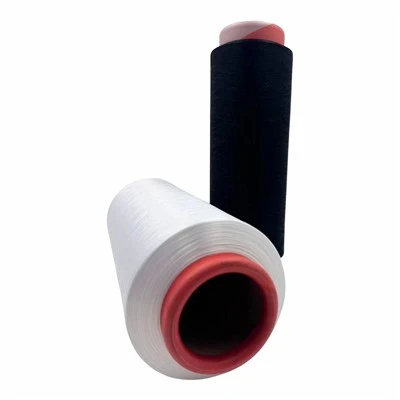
If you’re tired of dealing with inconsistent yarn that causes production delays, or you want to switch to more sustainable materials, we’re here to help. Drop us a line to talk through your needs—whether you’re a new brand testing your first collection, or a seasoned manufacturer looking to refine your yarn inventory. We’ve got the experience, the capacity, and the focus on quality that makes a difference in the long run.
DTY Nylon Yarn References
- Morris, P. J. T. (1989). The American Chemical Industry: A History. Oxford University Press.
- Slater, K. (2003). Synthetic Textile Fibers: Their Development and Impact on the Global Textile Industry. Textile History, 34(2), 145-162.
- United States Environmental Protection Agency. (2021). Recycled Plastics in Textiles: Industry Trends and Environmental Benefits. EPA Report.
- ICI Historical Archive. (1950). Development of Polyester Fibers: From Terylene to Dacron. ICI Internal Technical Report.
Zhuji Yuanhui Import & Export Co., Ltd.
Zhuji Yuanhui Import & Export Co., Ltd. is one of the most professional spun polyester yarn manufacturers and suppliers in China. With abundant experience, we warmly welcome you to buy high-end spun polyester yarn made in China here from our factory. If you have any enquiry about quotation and free sample, please feel free to email us.
Address: No.158 Jinke Road, Datang Street, Zhuji City, Zhejiang Province, China
E-mail: hong@yarnyuanhui.com
WebSite: https://www.yarnfty.com/
