Ergonomics in the dental field is not just a buzzword; it’s a crucial aspect that significantly impacts the efficiency, comfort, and overall well – being of dental professionals. As a dental unit supplier, I’ve witnessed firsthand how the right ergonomic features can transform a dental practice. In this blog, I’ll delve into the various ergonomic features of a dental unit and why they matter. Dental Unit

Adjustable Height and Positioning
One of the most fundamental ergonomic features of a dental unit is its adjustable height. Dentists and dental hygienists spend long hours in a seated position, often bending over patients. A dental unit with an adjustable height allows them to customize the working level to their own height and the patient’s position. This reduces the strain on the back, neck, and shoulders.
For example, a dentist who is taller may need the unit to be at a higher level to avoid hunching over, while a shorter dentist can lower it for better access. The ability to adjust the height also means that different dental procedures can be performed more comfortably. For instance, during a complex root canal treatment, the dentist may need to be in a more upright position, and the adjustable height feature enables this.
In addition to height, the positioning of the dental unit’s components is also important. The handpieces, suction devices, and other tools should be within easy reach of the dental professional. This reduces the need for excessive stretching or reaching, which can lead to muscle fatigue and injury over time. A well – designed dental unit will have a layout that allows for a natural and efficient workflow, with all necessary tools placed in a logical order.
Comfortable Seating
The dental chair is an integral part of the dental unit, and its ergonomic design can make a world of difference. A good dental chair should provide proper lumbar support to prevent lower back pain. It should also have adjustable armrests, which can be positioned to support the dentist’s arms during procedures. This helps to reduce the strain on the shoulders and arms.
The seat itself should be made of high – quality, breathable materials to ensure comfort during long sessions. It should also be adjustable in terms of tilt and height, allowing the dentist to find the most comfortable position for each patient. Some dental chairs even come with built – in massage functions, which can help to relieve stress and fatigue during breaks.
Lighting
Proper lighting is essential in a dental practice. A dental unit should be equipped with high – quality, adjustable lighting. The light should be bright enough to provide clear visibility of the patient’s oral cavity, but not so bright that it causes glare or eye strain.
Adjustable lighting allows the dentist to direct the light exactly where it’s needed. For example, during a dental filling, the dentist may need to focus the light on the specific tooth being treated. The light should also have a color temperature that closely mimics natural daylight, as this provides the most accurate color perception, which is important for matching dental restorations to the patient’s natural teeth.
Instrument Placement and Accessibility
The way instruments are placed and accessed on a dental unit is another important ergonomic consideration. The unit should have a dedicated space for each instrument, and these spaces should be clearly marked. This makes it easy for the dental professional to quickly locate and retrieve the necessary tools.
Some dental units come with instrument trays that can be adjusted or removed. This allows for easy cleaning and sterilization, as well as customization of the instrument arrangement based on the specific needs of the practice. Additionally, the handpieces and other instruments should be attached to the unit in a way that allows for smooth and easy movement. This reduces the effort required to manipulate the instruments, which can improve efficiency and reduce fatigue.
Noise Reduction
Dental procedures can be noisy, and excessive noise can be a source of stress for both the dental professional and the patient. A well – designed dental unit should incorporate noise – reduction features. This can include sound – absorbing materials in the unit’s construction, as well as quiet motors for the handpieces and other components.
Reducing noise levels in the dental office creates a more comfortable and relaxing environment. It also allows the dental professional to focus better on the task at hand, without being distracted by loud noises. For patients, a quieter environment can reduce anxiety and make the dental experience more pleasant.
Ease of Use and Controls
The controls on a dental unit should be easy to use and intuitive. They should be within easy reach of the dental professional, and the functions should be clearly labeled. This allows for quick and efficient operation of the unit, without the need for excessive training or complex procedures.
For example, the controls for adjusting the height, lighting, and water flow should be clearly marked and easy to operate. Some dental units also come with touch – screen controls, which provide a more modern and user – friendly interface. This can improve the overall efficiency of the dental practice, as the dental professional can quickly make adjustments as needed.
Compatibility with Other Equipment
A dental unit should be compatible with other equipment in the dental office, such as X – ray machines, intraoral cameras, and digital scanners. This allows for seamless integration of different technologies, which can improve the overall quality of patient care.
For example, if the dental unit is compatible with an intraoral camera, the dentist can easily capture high – resolution images of the patient’s teeth and gums. These images can then be used for diagnosis, treatment planning, and patient education. Compatibility also means that the dental unit can be easily upgraded as new technologies become available, without the need for a complete replacement.
Why Ergonomic Features Matter
Investing in a dental unit with ergonomic features is not just about the comfort of the dental professional; it also has a significant impact on the quality of patient care. When a dental professional is comfortable and free from pain and fatigue, they can perform procedures more accurately and efficiently. This can lead to better treatment outcomes and a higher level of patient satisfaction.
In addition, ergonomic features can help to reduce the risk of work – related injuries. Back pain, neck pain, and repetitive strain injuries are common among dental professionals, and these injuries can have a long – term impact on their health and ability to work. By providing a more ergonomic work environment, a dental unit can help to prevent these injuries and ensure the long – term well – being of the dental team.
Conclusion
As a dental unit supplier, I understand the importance of ergonomic features in a dental unit. These features not only improve the comfort and efficiency of the dental professional but also enhance the quality of patient care. When choosing a dental unit, it’s essential to consider the ergonomic aspects, such as adjustable height, comfortable seating, proper lighting, instrument placement, noise reduction, ease of use, and compatibility with other equipment.
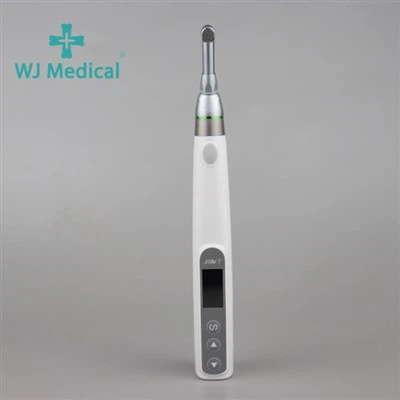
Dental Clinic Micromotor If you’re in the market for a new dental unit and want to learn more about our products and how their ergonomic features can benefit your practice, I encourage you to reach out to us. We’re here to help you make an informed decision and find the perfect dental unit for your needs.
References
- Bader, J. D., & Shugars, D. A. (2004). Evidence – based dentistry: principles and applications. Elsevier Health Sciences.
- Feine, J. S., Carlsson, G. E., & Awad, M. A. (2010). Prosthodontics and geriatric dentistry. Wiley – Blackwell.
- Okeson, J. P. (2013). Management of temporomandibular disorders and occlusion. Elsevier Health Sciences.
Foshan Wenjian Medical Instrument Co., Ltd.
Foshan Wenjian Medical Instrument Co., Ltd. is one of the most professional dental unit manufacturers and suppliers in China, featured by supplying high quality medical devices. Welcome to wholesale dental unit at competitive price from our factory. For more company information, contact us now.
Address: Workshop A, Sanyi Logistics, Shishan Town, Nanhai District, Foshan City, Guangdong Province, China
E-mail: Sales24@wenjian88.com
WebSite: https://www.chinaywjmed.com/
