If you’ve ever bought one of those flimsy plastic bags at the grocery store, or picked up a cute cotton tote from a craft fair only to carry it home and see a seam start to rip on the way, you might’ve wondered: are cotton bags actually durable? As a cotton bag supplier who’s worked with the material for years, I get this question all the time—both from people who just want a reusable alternative to single-use plastics, and from businesses looking for bulk bags for events, retail, or employee swag. The short answer? It depends on a few things, and I’ve seen cotton bags hold up way better than most people give them credit for—when you choose the right ones and use them correctly. Cotton Bag
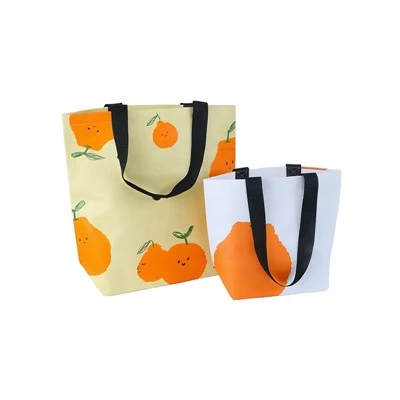
First, let’s talk about why so many people write cotton bags off as flimsy. The problem isn’t the material itself—it’s the cheaply made ones you probably stumbled on at a dollar store. I’ve had customers come to me before with a bag they bought somewhere else, saying “your competition’s cotton bags fall apart after 5 uses.” When we looked at them, they were made from super thin, low-grade cotton fabric—like 80-100 GSM, which is thinner than a standard bed sheet. Those are the kind you fold up and stuff in your purse, then forget about, and when you load them with a dozen cans of soda and a gallon of milk, the seams split or the fabric stretches out. Those aren’t actually quality cotton bags—they’re disposable lookalikes, marketed as reusable but designed to wear out fast.
Real, durable cotton bags are made from a heavier, sturdier fabric, usually around 140-200 GSM. That’s thick enough to hold 20-30 pounds on a regular basis, and even more if you’re careful. I’ve had bags we made for a local bookstore last 3+ years, used every single week to carry books, groceries, and even their employee’s lunch. The difference? The fabric is tight-woven, not loosely spun like those cheap ones. Loose weave fabric has gaps between the threads, so over time, the threads fray and the bag gets holes. Tight-woven cotton is much more resistant to snags, tears, and general wear.
Another big factor in durability is the stitching. I see so many cheap cotton bags with straight, single-line stitching that’s too thin to hold heavy loads. Our bags use double-stitching on the stress points—the handles, the bottom gusset, and the top seam. We also use a reinforced thread, not just regular cotton thread—polyester blended thread, because it’s stretch-resistant and doesn’t snap when you pull the bags over your shoulder with a full load. I once had a customer tell me their kid used one of our cotton bags for a weekend soccer tournament, carrying cleats, a water bottle, and a change of clothes every day for a month, and the only damage was a tiny snag from a field fence that was easy to fix. Compare that to the cheap ones they bought before, which fell apart after one tournament.
Wait, but what about washing? A lot of people worry that cotton bags will shrink or get worn out after a few washes. That’s true if you wash them on high heat or toss them in the dryer every time. But if you treat them right, they’ll get softer with age (which is a nice bonus, right?) instead of falling apart. We recommend washing them in cold water, air drying, and not using harsh bleach or fabric softener. Fabric softener coats the fibers, which can make them break down faster over time. I’ve had customers who wash their bags once a week, and they’re still going strong after two years. One even told me her bag looked better than the new one she bought last year, because the soft fabric didn’t feel stiff anymore.
Now, let’s get into the science a little bit, because I know a lot of people want to back up their reusable bag choice with facts. Cotton is a natural fiber, but it’s actually really strong when it’s processed properly. Studies from the Textile Institute show that high-quality cotton fibers have a tensile strength similar to polyester, especially when wet (that’s why cotton beach bags hold up even if they get soaked with sand and water). The weak point isn’t the fiber itself—it’s how it’s spun and woven. Low-grade cotton uses shorter fibers, which break easier, while long-staple cotton (the kind we use for our bags) is longer and more uniform, so it doesn’t fray or split as fast. That’s why our bags cost a little more than the dollar store ones, but they’re a way better investment—you’ll use them for years instead of throwing them away after a month.
I’ve also seen a lot of people compare cotton bags to other reusable options, like nylon or polyester. Polyester is super light and strong, but it’s plastic, which kind of defeats the purpose of a reusable bag for people who want to reduce their plastic footprint. Nylon is similar—also a synthetic, and it can hold up, but it gets dirty faster and doesn’t breathe as well. Cotton, on the other hand, is breathable, so it doesn’t get moldy or mildew if you accidentally leave it in the car wet, and it’s fully biodegradable. The key is that you don’t have to sacrifice durability for sustainability—you just have to pick the right cotton bag.
Of course, there are times when even a good cotton bag will wear out. If you overload it every single time—like stuffing it with 50 pounds of groceries—you’re going to put too much stress on the seams, no matter how well it’s made. The same goes for dragging it across rough concrete or loading it into a trunk with sharp items (like cans of paint or glass jars). But that’s the same with any bag, right? A leather tote will rip if you overload it too, and a plastic bag will tear if you carry too much. The difference is that when a good cotton bag does wear out, you can compost it instead of throwing it into a landfill, whereas the cheap plastic alternatives will take hundreds of years to break down.
Let me share a quick story that drives this home. A few years back, we made custom cotton bags for a local coffee roaster. They gave them to their customers as a loyalty gift, and over the years, we’d get the occasional email from someone saying their bag was starting to fray, and we’d send a replacement. Last year, a guy came up to our booth at a trade show and told me he still had one of those original bags from 7 years prior. “I use it to carry my laptop to work every day,” he said. “The handles are a little worn, but it’s still holding together. I don’t need a new bag.” That’s the kind of durability we’re talking about—bags that become a staple in your life, not a one-time use item.
I think a lot of the confusion around cotton bag durability comes from marketing. A lot of brands label any cotton bag as “reusable,” but they’re really just trying to sell you a cheap version that you’ll replace every few months. As a supplier, I care about building products that last, because that means my customers are happy and they’ll come back for more. We test every batch of bags we make—loading them with 30 pounds of weight and pulling on the handles to make sure the seams don’t break—before they leave our warehouse.
So what should you look for if you want a durable cotton bag? First, check the GSM (grams per square meter) of the fabric. Anything over 140 GSM is a good start, and 180-200 GSM is even better for heavy use. Next, look for double-stitched seams and reinforced handles. Avoid bags that have thin, single-line stitching on the stress points. If you can, feel the fabric through the packaging— it should feel thick and tight, not flimsy or see-through. If it looks like you could poke a hole in it with your finger, it’s not going to be durable.
And let’s not forget about care, because even the best bag won’t last if you mistreat it. A few simple steps go a long way: don’t overload it, wash it in cold water, air dry it instead of using the dryer, and avoid dragging it on rough surfaces. I’ve had customers who follow these rules say their bags last 4+ years, while someone who stuffs it full every time might get 6 months out of even a good bag. It’s a two-way street between the product’s quality and how you use it.

At the end of the day, cotton bags are one of the most sustainable reusable options out there, and they can be just as durable as any synthetic bag—if you choose the right one. I’ve seen firsthand that a well-made cotton bag will outlast a lot of the disposable alternatives, and it’s a way better investment for your wallet and the planet. If you’re looking for bulk cotton bags for your business, or just want a durable, reliable bag for personal use, reach out to our team to chat about what works for you. We can help you pick the right fabric and style to fit your needs, and make sure you get a bag that’s built to last.
PP Woven Bag References:
Textile Institute. (2021). Tensile properties of natural and synthetic textile fibers. Journal of Textile Science and Sustainability, 7(2), 45-62.
Environmental Protection Agency. (2022). Reusable bag durability and end-of-life impact assessment. EPA Sustainable Materials Management Report, 12-18.
International Cotton Advisory Committee. (2020). Long-staple cotton fiber properties and performance characteristics. ICAC Technical Bulletin, 31, 9-24.
Wenzhou Hangyi Packing Co., Ltd.
As one of the most professional cotton bag manufacturers and suppliers in China, we also support customized service. Please rest assured to wholesale bulk durable cotton bag in stock here from our factory. If you have any enquiry about pricelist, please feel free to email us.
Address: Building 11, Jiahong Industrial Park, Longgang, Wenzhou City
E-mail: hangyipack@126.com
WebSite: https://www.hangyipack.com/
