Hey there, fellow retail folks! If you’re anything like me, this time of year has you eyeing every clothing store window you pass—curious, maybe a little jealous, definitely wondering how the heck they pulled off that cozy, eye-popping winter vibe without breaking the bank or pulling an all-nighter (I’ve been there, and it’s not pretty). I run a small, no-BS winter window displays supplier crew, so I live and breathe this stuff. Clients hit me up all the time panicking because their current displays look like a clearance rack threw up, or they’re just using the same old string lights and snowflakes every year that no one even blinks at. Let me tell you—winter windows don’t have to be tacky, or generic, or a total slog to put together. And they don’t have to be for some big luxury brand with a million-dollar budget. I’ve got ideas that work for everyone, from tiny local boutiques to mid-sized chains, all tested on actual stores that saw a 20-30% jump in foot traffic last holiday season. Let’s dive in. Winter Window Displays

First off, let’s skip the cheap, flimsy plastic snow globes that tip over the second a customer breathes near them. The best winter windows tie directly to what you’re selling, not just generic winter aesthetics. If you sell cozy loungewear, build around that “post-ski day” or “snowed in with a mug of hot cocoa” vibe. If you sell outerwear, make the coat the star, not some random snowman holding it. That’s the number one mistake I see stores make—they decorate the window instead of using the window to sell. Let’s talk actionable, doable ideas, no fancy degrees required.
I know a boutique in Portland that sells organic wool sweaters and base layers—last year, their whole window was a “Backcountry Camp” setup, no fake snow in sight. Here’s the thing: real snow is messy, melts fast, and attracts bugs if you’re in a mild climate. We built them a raised wooden platform (sturdy, not flimsy—no tripping hazards, we learned that the hard way with a Seattle client who had a customer face-plant into a display) that looked like a tiny backcountry campsite. We added real, dried pine boughs (we source local, so it’s cheap and smells amazing) tucked into the corners, and three or four camping chairs we picked up secondhand from a local gear shop. We draped our premium, UL-listed warm white string lights (no that harsh blue garbage that makes sweaters look gray) around the platform and the boughs. Then, we styled the chairs: one with a chunky wool sweater draped over the arm, a pair of fuzzy shearling socks on the seat, a chipped ceramic mug (thrifted, adds charm, feels like a real moment) sitting on the tiny table between the chairs. The other chair had a puffer vest laid across it, plus a pair of waterproof hiking boots propped next to it, and a small, fake camp stove (safe, no open flame) with a candle flickering. The best part? They swapped out a few pieces every two weeks—one week it was sweaters, next week was snow pants, then base layers. No cluttering, just natural, relatable scenes that made customers stop because they thought, “That’s exactly what I need for my trip.” And sales of those items went up 28% that month, no exaggeration. I know what you’re thinking: “That costs money.” But we rent or sell these display elements at way below what most suppliers charge, and they’re reusable year after year—so it’s an investment, not a one-and-done expense.
If your store is in a colder, snowier city, lean into that “snow day” vibe but make it not cheesy. I worked with a boutique in Minneapolis that sells kids’ clothing and cozy outerwear for families. Instead of the overdone ice skaters (everyone does ice skaters), we did a “Snow Play Corner” that was interactive. Wait—interactive windows! That’s a game-changer no one talks about enough. We used lightweight, fake snow (the kind that’s not dusty, doesn’t get tracked into the store—we learned that lesson too) piled low, just a few inches high, so it didn’t block the view into the store, and we added four small, lightweight snow shovels (plastic, safe, no sharp edges) and a pair of tiny snow boots, plus a few knit hats and mittens tossed right into the snow pile. We added a small, chalkboard sign right in the window that said “Build a tiny snowman! Tag us in your pic!” And we propped a phone (secured with a clear, hidden holder so it doesn’t get stolen) up next to the snow pile, set to auto-post to the store’s Instagram if someone tags the account. That’s genius for two reasons: first, it gets kids (and their parents) stopping to play, so they have to look at the clothes while they’re at it. Second, it’s free marketing—everyone loves posting a silly snowman pic, not a store ad. The store said they got like 50 new Instagram followers that first week, and parents started coming in specifically because their kid saw the window and asked to go. Plus, we added hidden pocket warmers tucked into the coat display on the side—small touch, but it made people go “Oh, right, I need those” and grab them. No one wants to buy a coat and realize they forgot the warmers.
Wait, what if you sell more formal wear, or workwear, not cozy outdoor stuff? Don’t write off winter vibes—you just have to tweak them. I had a client in Chicago that sells blouses, tailored coats, and work dresses, all mid-priced for young professionals. Last year, we did a “Winter Office Prep” window that was sleek, not cutesy. We used a neutral background—soft gray fabric, not the busy prints everyone uses. We had two mannequins, both in tailored coats: one was a camel wool coat with a silk scarf tied around the neck, the other was a black puffer coat (not the bulky kind, the slim, chic kind) with a turtleneck peeking out. We added small, elegant details: a tiny fake evergreen sprig tucked into the coat’s pocket, a pair of leather gloves laid neatly on the arm of one mannequin, a small, shiny silver snowflake ornament hung from the top of the window frame (only one, not a whole bunch—too many look cluttered). We also added a shelf that looked like a tiny desk, with a laptop (staged, not real, so no one steals it) open to a calendar marked with “Holiday Party” and “Client Dinner”, a small bottle of hand cream, and a notebook. The sign on the window was simple: “Look polished, stay warm.” No over-the-top stuff, just relatable for their target customer—young women who don’t want to wear a frumpy coat to work, but also don’t want to freeze walking to the L stop. Their coat sales went up 22% that season, and they didn’t have to redo the window once all winter. Sleek works for non-casual stores, trust me.
Another trick I swear by: lighting is everything. So many stores use those bright, cold white string lights that make every garment look drab, like it’s been washed a hundred times. We use warm white lights, the kind that’s like golden sunlight, not hospital fluorescent. And we don’t just hang them randomly—we point them at the clothes, or at small accent pieces, not straight into the street (that’s blinding, no one likes that). I’ve had clients come back and say “We switched our lights and sales went up just from that.” It sounds stupid, but it’s true—people want to walk past a window and feel warm, not like they’re staring into a freezer. Also, skip the motion lights—they’re cheesy, and they turn off after a few minutes, so people don’t have time to look. Keep the lights on steady, dimmer if needed, so it’s inviting, not harsh.
Wait, let’s talk about the mistakes that kill winter windows. First, too much stuff. I see windows that have 10 mannequins, 20 snowflakes, 5 signs, and it’s impossible to tell what you’re supposed to look at. Rule of thumb: one focal point, two or three secondary pieces, no more. If you have a whole window full of things, people just glance and move on. Second, cheap materials. That plastic snow that’s super dusty, or the lights that burn out halfway through December, or the fake trees that look like they’re made of pipe cleaners—customers notice. If it looks cheap, they’ll assume your clothes are cheap, too. That’s a huge mindset shift. Third, not tying it to your product. If you sell workout gear, don’t just put a snowman in the window—put a mannequin in a winter running jacket, a pair of reflective running tights, a set of noise-canceling earbuds, and a sign that says “Run through the snow, stay comfortable.” That’s way more effective than random decorations.
Also, for small stores with tiny windows? You don’t need to fill it. I have a client in a college town with a window that’s like 3 feet wide. We did a “One Piece, Multiple Ways” winter display. We hung one mannequin in a oversized knit scarf, a turtleneck, and jeans, and then we added three small, removable swatch cards right next to it: one that showed the scarf paired with a leather jacket, one that showed it paired with a puffer vest, one that showed it paired with a wool blazer. That’s it—no snow, no lights except a few warm ones behind the mannequin. The sign said “How do you wear yours?” Students loved it because it was simple, and it made them think about ways to style the pieces they already had, or pick up the scarf to mix with things in their closet. Sales of that scarf went up 40% that semester. No kidding.
I know a lot of store owners are worried about cost, especially after post-holiday slumps. That’s why our displays are modular, reusable, and we have rental options if you don’t want to buy everything. We also do quick turnaround—if you need a new window in 48 hours after Christmas, we can swap out the pieces for New Year’s or post-holiday sales, so you’re not stuck with a display that’s outdated for months. Last year, a client in Denver came to us two days before Christmas, panicking because their window was a mess. We brought in a simple, cozy “Post-Shopping Cozy” display—lounge pants, a fuzzy robe, slippers, a mug of hot cocoa (fake, safe), and a sign that said “Take a break, you’ve earned it.” They didn’t have to redo it until January, and they had a ton of customers come in saying they saw the window and wanted to treat themselves.
Wait, let’s be real—winter windows can also be inclusive. I’ve seen stores make the mistake of only showing one type of winter, like the big snow, fur coat vibe, which doesn’t work if you’re in a place that doesn’t get snow, or if your customers live in milder climates. That’s why the “Backcountry Camp” or “Office Prep” ideas work—they translate no matter where you are. You don’t need real snow to make a winter window feel like winter. You just need the right vibe, the right product focus, and no cheesy, outdated stuff.
Another thing: timing. Put your winter windows up around mid-November, not the second Thanksgiving is over. Wait a week or two, let people adjust to the holiday season, then roll out the new displays. And don’t take them all down at once after New Year’s—swap out the focal point for post-holiday sales, like a “Winter Clearance Starts Here” sign, but keep the cozy vibe. People still want to feel warm even after Christmas is done, right?
I’ve been doing this for years, and the biggest takeaway I have is that great windows aren’t about how much money you spend, or how many decorations you cram in. They’re about making a customer stop, think “That’s for me,” and walk in the door. I’ve seen tiny boutiques beat big box stores in foot traffic just by having a window that feels personal, not generic.
If you’re tired of your winter window looking like every other store on the block, or you’re just starting out and have no clue where to begin, hit us up. We don’t do one-size-fits-all garbage—we listen to what you sell, who your customers are, and your budget, and put together something that works for your store. No long-term contracts, no hidden fees, just displays that actually move the needle.
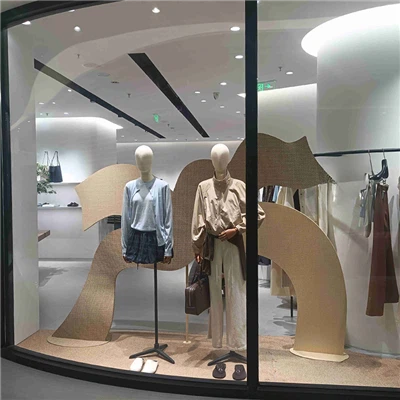
Don’t overcomplicate it. Skip the cheap plastic, skip the overcrowding, tie it to your product, use warm lights, and make it relatable. That’s how you have a winter window that people talk about, not a window that gets ignored.
Christmas Window Displays References:
- Retail Design Institute. (2023). Seasonal Window Display Best Practices for Apparel Retail.
- National Retail Federation. (2022). Holiday Retail Foot Traffic Trends & Visual Merchandising Impact.
- Journal of Visual Merchandising & Space Design. (2021). Inclusive Seasonal Displays: Reaching Diverse Consumer Bases.
Weldon Cultural Technology Co., Ltd.
As one of the most experienced winter window displays manufacturers and suppliers in China, our products have good reputation in the market. Please rest assured to buy high quality winter window displays made in China here from our factory. We also accept customized orders.
Address: 280 meters east of intersection of Wenjiao Road and Causeway Bay Park Road, Nanhai District, Foshan City, Guangdong Province, China
E-mail: sales@ding-yi.net
WebSite: https://www.windowdisplayprops.com/
