Hey everyone, I’m Jake, and for the last 7 years, I’ve been on the front lines as an OR supply vendor—you know, the person who’s loading up the sterile carts, troubleshooting a monitor mid-case, and making sure every tool a surgeon might need is within arm’s reach. Most of my days revolve around surgeries, but vascular ones? They’re a whole different beast. I’ve scrubbed in on over 200 of them, and let me tell you, they’re not just “cutting a vessel” type procedures. There’s a method, a rhythm, and a million little details that make the difference between a smooth case and a hiccup. Today, I’m pulling back the curtain on exactly how these surgeries go down in a modern operating room—straight from someone who’s actually there, not just reading a textbook. Operating Room
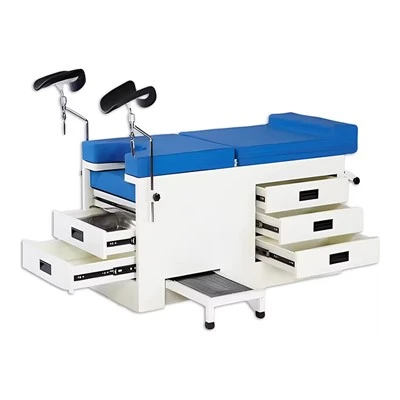
First, let’s get one thing straight: vascular surgeries cover way more than just “fixing legs” or heart vessels. We’re talking everything from removing a blockage in your carotid artery (that’s the one in your neck, right near where you feel a pulse) to replacing a damaged aorta (the big artery that carries blood from your heart) to fixing varicose veins that get so bad they hurt to walk. No matter the type, though, every case starts with prepping the OR for success—something I live and breathe as a vendor.
The day before a vascular surgery, my team and I are already there, setting up. We don’t just stock the basic scalpel and gauze. For vascular, you need specific stuff: micro-scalpels with tiny blades (since vessels are like, way smaller than a pencil eraser), calibrated clamps that don’t tear the delicate vessel walls, and those specialized catheters that we thread through your blood vessels like a tiny wire to clear blockages. We also make sure the imaging machines—like the C-arm, that X-ray thing on a track—are calibrated right, because you can’t just open a patient up and guess where the blockage is when you’re working inside a vessel. One wrong move, and you could damage tissue or cause a clot. It’s not glamorous, but that pre-op prep is why cases run on time.
On the day of surgery, the team rounds 2 hours before the first incision. You’ve got the vascular surgeon (they’re the lead, obviously), a surgical tech, a circulating nurse, an anesthesiologist, and sometimes a perfusionist if they’re using a heart-lung machine—though that’s more for open heart stuff than leg vessel work. The anesthesiologist talks through the patient’s history: “58-year-old male, diabetic, has a history of high blood pressure—so we need to keep his blood pressure steady during the case to avoid clotting.” The surgeon maps out the incision site. Wait, no—they don’t just draw a random line. For a femoral-popliteal bypass (that’s the surgery where we reroute blood around a blockage in the leg), they’ll map the leg with ultrasound first, mark exactly where the femoral artery is in the groin, the popliteal behind the knee, so the incision is tiny, not a huge mess that takes forever to heal. That prep call is non-negotiable—no surprises mid-case mean better outcomes.
Once the patient’s on the OR table, the first big step is sterile prep. The tech will wipe the area (say, the neck for a carotid endarterectomy) with antiseptic, then cover everything with sterile drapes except the small spot where they’ll cut. Here’s where my job gets real: I’m passing instruments like a hawk, because the surgeon can’t reach for something across the room without breaking sterility. For vascular, the first key move is gaining vascular access. That means either puncturing a vessel with a needle (usually the femoral artery in the groin) to thread a catheter, or making a small incision to expose the vessel directly—called “cutdown” in tech terms. This part’s nerve-wracking for everyone, because if you nick a vessel before you get a clamp on it, you can have massive bleeding. I once watched a tech pass a clamp just half a second too slow on a carotid case, and the surgeon had to press with a sponge for 10 seconds to stop the bleed. That’s the kind of stuff you don’t read about in supply brochures.
Next, depending on the type of case, we move into either “minimally invasive” or “open” vascular surgery. A lot of people hear “vascular” and think big incisions, but now, 60% of cases I assist with are minimally invasive—endovascular, to be specific. For a stent placement (that’s the little mesh tube we put in to prop a blocked artery open), the surgeon threads a catheter from the groin all the way up to the carotid artery or aorta, guided by the C-arm’s real-time X-ray. They inject contrast dye so the blockage lights up, then use a balloon to widen it, then slip the stent into place. This is where our specialized catheters and guidewires come in—we’ve got different sizes for every vessel, because a guidewire that works in the femoral artery won’t fit in the tiny one in the wrist. I’ve seen cases where a wrong guidewire size meant the surgeon had to start over, adding 20 minutes to the case and upping the patient’s risk of complications.
Open vascular is different—this is the “big incision” stuff, like aortic aneurysm repair. For that, the surgeon will cut open the abdomen, expose the aorta, and clamp it above and below the aneurysm so blood doesn’t spill. Then they remove the weak, bulging part of the vessel, and sew a synthetic graft (that’s a man-made tube) in its place. Here, we need the largest instruments: heavy-duty clamps that can hold back the aorta, sutures that are strong enough to last a lifetime, and a suction machine with a super fine tip so it doesn’t damage the delicate vessel walls. I was on a case last year where the suction tip got clogged mid-removal of the aneurysm—if I hadn’t swapped it out in 5 seconds, the surgeon would’ve had to use a sponge, which could’ve left debris in the abdomen. That’s why being fast, calm, and knowing your supplies inside and out is way more important than just “being a vendor.”
Wait, there’s one step I almost forgot: anticoagulation. Vessels clot so easily—if you even touch them too rough, a clot could form and cause a stroke or heart attack. So before the surgeon starts working on the vessel, they give the patient a blood thinner, like heparin. But that means after the surgery, we have to reverse it so the patient doesn’t bleed out. It’s a balancing act. I make sure the heparin is stocked in a pre-filled syringe, ready to go, and also have the reversal agent (protamine sulfate) on hand right after closure. One time, a nurse forgot to order the reversal agent, and I had it in my cart within 2 minutes—saved the patient from a post-op bleed. That’s the value of a vendor who’s actually involved, not just dropping off boxes at the loading dock.
Then comes the closure. For minimally invasive cases, the incision is just a puncture site, so we use a device called a closure stitch or a band that seals the artery. For open cases, the surgeon sews up the muscle, then the skin, using dissolvable sutures so the patient doesn’t have to come back for stitches. The OR team does a final check: count the sponges, count the instruments, make sure nothing’s left inside the patient—super standard, but non-negotiable.
After the surgery, the patient goes to the recovery room, but my job doesn’t end there. I follow up to make sure the supplies I prepped actually got used correctly, ask the surgeon if we need to switch to a better instrument, stock the cart for the next case. Last month, a vascular surgeon told me the current clamps we were using were tearing small vessels, so I worked with my team to source a new, gentler clamp that’s now a staple in every one of our OR setups.
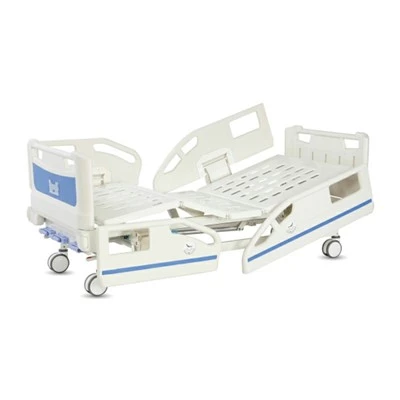
Look, I know a lot of people don’t think about what happens in the OR beyond the “doctor cuts” part. But for vascular surgeries, every tool, every prep step, every second of the team’s focus matters. As someone who’s spent hours in those rooms, passing instruments, troubleshooting, and making sure no one has to hunt for a clamp mid-case, I can tell you: the right supplies make the difference between a good outcome and a great one.
Operating Table If you’re an OR manager, surgical director, or anyone who’s tasked with making sure your vascular cases run smooth, I get it—you don’t have time for supply issues, for instruments that don’t work, for last-minute runs to the medical supply closet. I’m here to help. Whether you need a custom cart for vascular cases, specialized tools for minimally invasive procedures, or just someone to walk your team through the best supplies for your specific cases, we can talk. Skip the generic supply companies—someone who’s actually scrubbed in on these cases knows exactly what you need.
References
- The American College of Surgeons. (2022). Vascular Surgery Guidelines for Operating Room Preparation and Instrumentation.
- Society for Vascular Surgery. (2023). Minimally Invasive Vascular Procedures: OR Protocols and Equipment Requirements.
- World Health Organization. (2021). Safe Surgery Checklist: Vascular Procedure Specifics and Risk Mitigation.
Eusokon Technology ( Shanghai ) Co., Ltd.
As one of the most professional operating room equipment manufacturers and suppliers in China, we offer a wide range of products with superior quality. Please feel free to wholesale advanced operating room equipment in stock here from our factory.
Address: No.2 building lane 89,Huguang east road Minhang area Shanghai China
E-mail: dorisyang@eusokon.com
WebSite: https://www.eusokon.com/
