The question of “What is the flow rate of a hose filter washer?” is a crucial one for both DIY enthusiasts and professional contractors alike. As a supplier of Hose Filter Washer, I’ve encountered numerous clients asking about this topic, which is why I’m here to provide a detailed and scientific exploration. Hose Filter Washer

Understanding Flow Rate Basics
Before diving into the specific flow rates of hose filter washers, it’s essential to understand what flow rate means. Flow rate in the context of fluid dynamics, and specifically for hose filter washers, refers to the volume of water that passes through the hose and the filter washer in a given period of time. It is typically measured in gallons per minute (GPM) or liters per minute (LPM).
The importance of flow rate cannot be overstated. It directly affects the efficiency and effectiveness of the hose filter washer’s operation. A higher flow rate generally means that more water is available to clean surfaces, which can lead to faster cleaning times. However, it’s not always a matter of “the higher the better.” Other factors such as water pressure and the design of the filter washer also play significant roles.
Factors Affecting the Flow Rate of a Hose Filter Washer
Hose Diameter
One of the most significant factors influencing the flow rate is the diameter of the hose connected to the filter washer. A wider hose allows more water to pass through it at a given time, increasing the flow rate. For example, a 3/4 – inch diameter hose will generally have a higher flow rate than a 1/2 – inch diameter hose, assuming all other conditions are the same. This is because the cross – sectional area of the larger hose is greater, providing more space for water to flow.
Water Pressure
Water pressure is another critical factor. Higher water pressure forces water through the hose and the filter washer more quickly, resulting in a higher flow rate. Water pressure is often measured in pounds per square inch (PSI) in the United States. If your water source provides a high – pressure supply, you can expect a higher flow rate from your hose filter washer. However, it’s important to note that the filter washer must be rated to handle the available water pressure. Exceeding the rated pressure can damage the filter washer and reduce its lifespan.
Filter Design
The design of the filter in the hose filter washer also impacts the flow rate. A well – designed filter allows water to pass through it with minimal resistance while still effectively removing debris and contaminants. Filters with a larger surface area and appropriate pore sizes can maintain a higher flow rate. On the other hand, a clogged or poorly designed filter can significantly reduce the flow rate as water has a harder time passing through the restricted openings.
Length of the Hose
The length of the hose is another consideration. Longer hoses can experience more friction as water flows through them, which reduces the flow rate. As the water moves through a long hose, the internal walls of the hose create resistance against the water flow, slowing it down. Therefore, if you need to use a long hose, you may want to choose a larger – diameter hose to compensate for the potential loss of flow rate.
Typical Flow Rates of Hose Filter Washers
The flow rates of hose filter washers can vary widely depending on the factors mentioned above. In general, for residential hose filter washers used for simple tasks like washing cars or watering gardens, the flow rate can range from 2 to 5 GPM (7.57 to 18.93 LPM). These lower – flow models are often designed to work with standard household water supplies, which typically have a pressure of around 40 – 60 PSI.
For more heavy – duty commercial applications, such as industrial equipment cleaning or large – scale surface washing, hose filter washers may have flow rates of 5 to 10 GPM (18.93 to 37.85 LPM) or even higher. These high – flow models are usually connected to high – pressure water sources and are built to handle the increased volume of water.
It’s important to choose a hose filter washer with an appropriate flow rate for your specific needs. If you’re using it for light – duty tasks, a high – flow model may be overkill and waste water. Conversely, a low – flow model may not be sufficient for heavy – duty cleaning jobs.
Importance of Accurate Flow Rate for Our Hose Filter Washers
As a supplier of Hose Filter Washers, we understand the importance of providing accurate flow rate information to our customers. Our products are designed to meet a wide range of needs, from small – scale home use to large – scale commercial operations.
We use state – of – the – art manufacturing techniques to ensure that our filter washers maintain consistent flow rates under different operating conditions. Our filters are engineered to provide efficient filtration without sacrificing too much flow rate. We also offer a variety of hose sizes and compatibility options to allow customers to customize the flow rate according to their specific water sources and requirements.
By providing accurate flow rate information, we help our customers make informed decisions. Whether they are a homeowner looking for a simple solution to clean their patio or a contractor in need of a high – performance washer for a large – scale project, our customers can trust that they are getting a product that will meet their flow rate needs.
How to Determine the Right Flow Rate for Your Needs
If you’re in the market for a hose filter washer, here are some steps to help you determine the right flow rate for your specific needs:
- Assess the task: Consider the type of cleaning job you’ll be doing. Light – duty tasks like washing a bike or watering plants require a lower flow rate, while heavy – duty tasks like cleaning a driveway or a large building facade need a higher flow rate.
- Check your water source: Find out the water pressure and flow rate available from your water supply. This information can usually be obtained from your local water utility or by using a pressure gauge and a flow meter. Make sure the hose filter washer you choose is compatible with your water source.
- Consider future needs: Think about any potential future projects or changes in your cleaning requirements. It may be wise to choose a hose filter washer with a slightly higher flow rate than you currently need to accommodate future growth.
Conclusion
In summary, the flow rate of a hose filter washer is a complex but important aspect to consider when choosing the right product. It is affected by factors such as hose diameter, water pressure, filter design, and hose length. Understanding these factors and how they interact can help you select a hose filter washer that meets your specific needs.
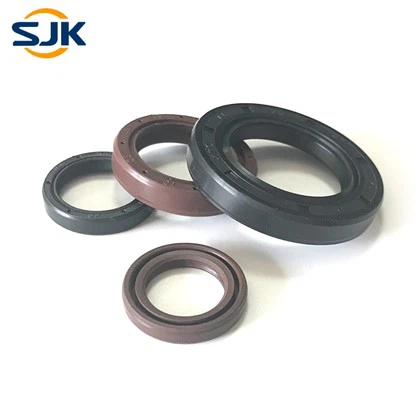
As a supplier of Hose Filter Washers, we are committed to providing high – quality products with accurate flow rate specifications. Our team of experts is always available to help you choose the right washer for your requirements. Whether you’re a DIY enthusiast or a professional contractor, we have the solutions you need to get the job done efficiently.
Hose Filter Washer If you’re interested in learning more about our Hose Filter Washers and how they can best suit your needs, or if you’re ready to start a procurement discussion, please reach out to us. We look forward to working with you and providing the best products and services in the industry.
References
- “Fluid Mechanics Fundamentals” by Frank M. White.
- “Water Supply and Sewerage” by American Water Works Association.
Zhejiang Jiacheng New Material Co., Ltd.
Zhejiang Jiacheng New Material Co., Ltd. is one of the most professional hose filter washer manufacturers and suppliers in China, specialized in providing high quality customized products. We warmly welcome you to buy or wholesale hose filter washer in stock here from our factory. Contact us for quotation and free sample.
Address: #64 Anjiang Road, Jianshan New Zone, Huangwan Town, Haining City, Jiaxing City, Zhejiang Province
E-mail: jcseal_zhu@126.com
WebSite: https://www.sjkseal.com/
