In the dynamic world of flour milling, the reliability and efficiency of equipment are paramount. Flour mills operate around the clock, and any downtime can lead to significant losses. As a trusted flour mill spare parts supplier, I understand the challenges millers face when certain parts need replacement. In this blog, I’ll explore the alternatives for some common flour mill spare parts, helping you make informed decisions to keep your mill running smoothly. Flour Mill Spare Parts
1. Grinding Rolls
Grinding rolls are the heart of a flour mill, responsible for reducing grains into flour. Over time, the surface of the rolls can wear out, affecting the quality and quantity of the flour produced.
Cast Iron Rolls
Cast iron rolls have been a traditional choice in flour mills. They are relatively inexpensive and offer good initial grinding performance. However, they tend to wear out faster compared to other materials. When the cast iron rolls start to show signs of wear, such as reduced grinding efficiency or uneven flour particle size, millers often consider alternatives.
Steel Rolls
Steel rolls are a popular alternative to cast iron rolls. They are more durable and can maintain a sharp cutting edge for a longer period. High – carbon steel rolls, in particular, offer excellent abrasion resistance. They can handle a higher volume of grains and produce a more consistent flour quality. Although steel rolls are more expensive upfront, their longer lifespan and better performance can result in cost savings in the long run.
Ceramic – Coated Rolls
For mills looking for the ultimate in wear resistance, ceramic – coated rolls are an option. The ceramic coating provides a hard, smooth surface that is highly resistant to abrasion. This allows the rolls to maintain their grinding efficiency over a much longer time. Ceramic – coated rolls are especially suitable for mills processing hard grains or those requiring a very fine and consistent flour particle size. However, they are the most expensive option and may require specialized installation and maintenance.
2. Sifters and Sieves
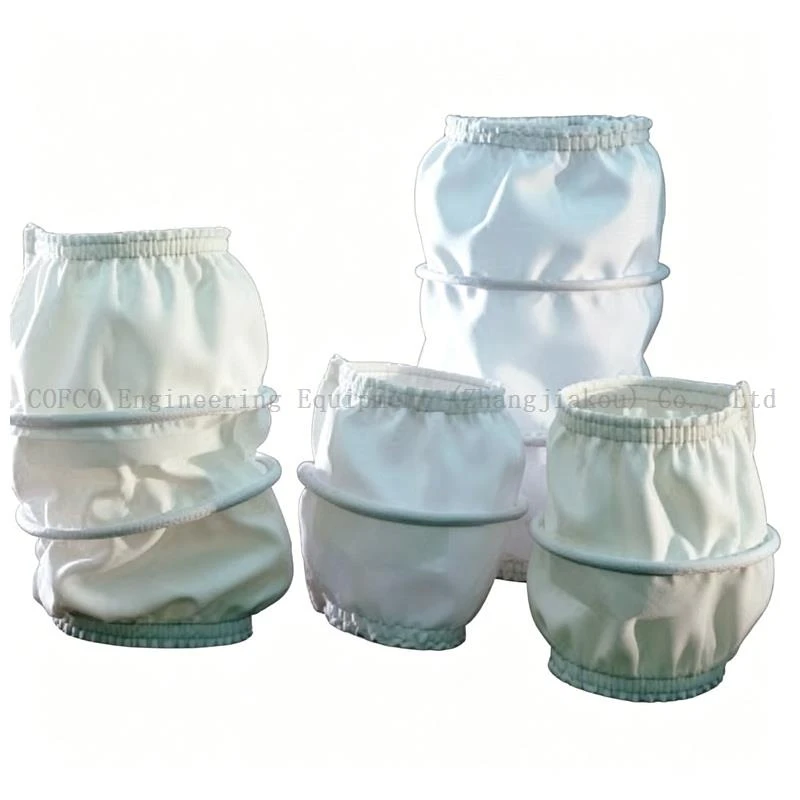
Sifters and sieves are used to separate the flour into different grades based on particle size. They can become clogged or damaged over time, leading to poor separation and reduced flour quality.
Woven Wire Mesh Sieves
Woven wire mesh sieves are a common and cost – effective option. They are made by weaving wire strands together to form a mesh pattern. The size of the openings in the mesh can be customized to suit different separation requirements. However, woven wire mesh sieves can be prone to clogging, especially when processing sticky grains. They also have a limited lifespan and may need to be replaced relatively frequently.
Perforated Plate Sieves
Perforated plate sieves are made by punching holes in a metal plate. They offer a more rigid structure compared to woven wire mesh sieves and are less likely to clog. They can be made from different metals, such as stainless steel, which provides good corrosion resistance. Perforated plate sieves are suitable for applications where a high – throughput and consistent separation are required. However, they are more expensive than woven wire mesh sieves.
Synthetic Sieves
Synthetic sieves, made from materials like nylon or polyester, are another alternative. They are lightweight, flexible, and resistant to corrosion. Synthetic sieves are less prone to clogging compared to woven wire mesh sieves and can provide a more uniform separation. They are also relatively easy to clean. However, they may not be as durable as metal sieves and may need to be replaced more often in high – volume milling operations.
3. Conveyors
Conveyors are used to transport grains and flour within the mill. They can experience wear and tear on their belts, rollers, and bearings.
Rubber Conveyor Belts
Rubber conveyor belts are widely used in flour mills due to their flexibility and durability. They can handle a variety of grain sizes and shapes. However, rubber belts can be damaged by sharp objects or excessive heat. When a rubber belt starts to show signs of wear, such as cracks or fraying, it may need to be replaced. Some alternatives to traditional rubber belts include PVC – coated belts, which offer better resistance to chemicals and abrasion, and polyurethane belts, which are more flexible and have a longer lifespan.
Roller Conveyors
Roller conveyors use a series of rollers to move the materials. They are suitable for conveying heavy loads and are relatively easy to maintain. However, the rollers can wear out over time, especially in high – traffic areas. As an alternative, ball transfer units can be used. Ball transfer units allow the materials to move in multiple directions with less friction, reducing wear and tear. They are also more suitable for applications where precise positioning of the materials is required.
Screw Conveyors
Screw conveyors are used to move materials along a horizontal or inclined path. The screw blades can wear out due to the friction with the grains. One alternative to traditional steel screw blades is the use of plastic or composite screw blades. These materials are lighter, more corrosion – resistant, and can reduce the power consumption of the conveyor.
4. Air Classifiers
Air classifiers are used to separate the flour into different fractions based on particle size and density. They can experience problems with the airflow, blade wear, and dust accumulation.
Fixed – Blade Air Classifiers
Fixed – blade air classifiers are a simple and cost – effective option. They use a set of fixed blades to create a swirling airflow that separates the particles. However, the fixed blades can wear out over time, affecting the classification efficiency. An alternative is the use of adjustable – blade air classifiers. These classifiers allow the operator to adjust the angle of the blades, optimizing the airflow and the classification performance.
Cyclone Air Classifiers
Cyclone air classifiers use centrifugal force to separate the particles. They are more efficient in separating fine particles and can handle a higher volume of material compared to fixed – blade air classifiers. However, they can be more expensive and require more space. As an alternative, some mills are using hybrid air classifiers that combine the advantages of different classification technologies.
Conclusion
As a flour mill spare parts supplier, I know that choosing the right alternative for your worn – out parts is crucial for the smooth operation of your mill. Each alternative has its own advantages and disadvantages, and the choice depends on factors such as your budget, the type of grains you process, and the desired flour quality. Whether you are looking for a more durable grinding roll, a clog – resistant sieve, a reliable conveyor, or an efficient air classifier, there are options available to meet your specific needs.
Flour Automatic Packing Machine If you are facing issues with your flour mill spare parts or are looking for alternatives, I encourage you to reach out to me. We can have a detailed discussion about your requirements, and I can provide you with the best solutions for your flour mill. Let’s work together to ensure the continued success and efficiency of your flour milling operation.
References
- "Flour Milling Technology" by Henry T. Finney
- "Handbook of Cereal Science and Technology" by K. J. Lorenz and K. Kulp
- Industry reports on flour mill equipment and spare parts from leading market research firms.
COFCO Engineering Equipment (Zhangjiakou) Co., Ltd.
As one of the most professional flour mill spare parts manufacturers and suppliers in China, we also support customized service. Please feel free to wholesale advanced flour mill spare parts for sale here from our factory. Quality products and reasonable price are available.
Address: No.4 ZhongLiang Street, high-tech industrial development zone, Zhangjiakou, Hebei, PRC
E-mail: mayihui@cofco.com
WebSite: https://www.ceeflourmill.com/
