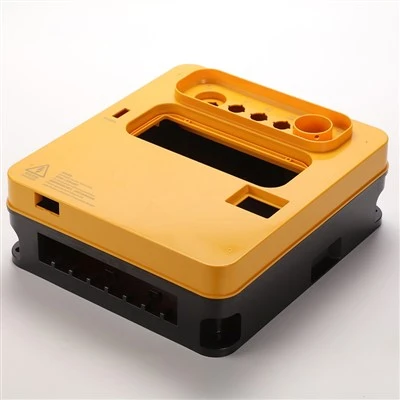
Back pressure plays a crucial role in the plastic injection molding process, especially when it comes to manufacturing electronic components. As a plastic injection molding supplier for the electronics industry, I’ve witnessed firsthand how the right back pressure can make or break a production run. In this blog, I’ll delve into the various aspects of back pressure and its influence on plastic injection molding for electronics. Plastic Injection Molding for Electronics
Understanding Back Pressure in Plastic Injection Molding
Before we explore its influence, let’s first understand what back pressure is. In plastic injection molding, back pressure is the resistance force applied to the plastic melt as it is being plasticized in the injection unit. It is created by adjusting the screw rotation and the hydraulic pressure in the injection cylinder. When the screw rotates to convey and melt the plastic pellets, the back pressure restricts the flow of the molten plastic, causing it to build up pressure within the barrel.
The primary purpose of back pressure is to ensure proper melting, mixing, and homogenization of the plastic material. By applying a controlled amount of back pressure, we can achieve a more consistent melt temperature, better dispersion of additives and colorants, and improved removal of air bubbles from the molten plastic.
Influence on Material Properties
One of the most significant impacts of back pressure is on the material properties of the molded electronic components. When the back pressure is too low, the plastic pellets may not melt and mix thoroughly, leading to a non – uniform melt. This can result in variations in the mechanical properties of the final product, such as reduced strength, brittleness, and inconsistent shrinkage rates.
For electronic components, which often require high precision and reliability, these variations can be a major problem. For example, a circuit board housing with inconsistent shrinkage may not fit properly with the internal components, leading to electrical connectivity issues. On the other hand, when the back pressure is set too high, the excessive shear stress on the plastic melt can cause molecular degradation. This can reduce the material’s viscosity and mechanical strength over time, making the component more prone to failure under normal operating conditions.
In addition, back pressure affects the distribution of additives in the plastic. In electronics, additives such as flame retardants, antistatic agents, and UV stabilizers are commonly used. Proper back pressure ensures that these additives are evenly dispersed throughout the molten plastic, providing the desired performance characteristics to the final product.
Impact on Part Quality
Back pressure also has a profound impact on the quality of the molded parts. A well – controlled back pressure helps to eliminate voids and air bubbles in the plastic. In electronic components, the presence of voids can be extremely detrimental. For instance, in a plastic connector, voids can weaken the structure, making it more likely to break during assembly or use. They can also act as sites for moisture absorption, which can lead to corrosion and electrical short – circuits.
Surface finish is another important aspect of part quality, especially for electronic enclosures and display panels. Adequate back pressure ensures a smooth and uniform surface by allowing the molten plastic to flow evenly into the mold cavity and fill all the details. Insufficient back pressure may result in a rough surface texture, sink marks, or flow lines on the part, which not only affects the aesthetic appearance but also the functionality in some cases.
Moreover, dimensional accuracy is crucial for electronic components. The right back pressure helps to maintain consistent part dimensions by controlling the packing and cooling stages of the injection molding process. If the back pressure is unstable or not properly adjusted, it can cause variations in the part’s size and shape, making it difficult to meet the strict tolerances required in the electronics industry.
Influence on Processing Efficiency
In addition to part quality and material properties, back pressure has a significant influence on the processing efficiency of the injection molding process. When the back pressure is optimized, the plasticizing time can be reduced. This is because the proper amount of back pressure promotes more efficient melting and mixing of the plastic, allowing the screw to fill the barrel with molten plastic more quickly. As a result, the cycle time of the injection molding process can be shortened, increasing the production output.
However, if the back pressure is too high, it can lead to longer plasticizing times and higher energy consumption. The excessive resistance forces the screw to work harder, requiring more power to rotate and pushing the plastic through the barrel. This not only increases the operating costs but also puts more stress on the injection molding machine, potentially leading to more frequent maintenance and shorter machine lifespan.
Fine – Tuning Back Pressure for Electronics
As a plastic injection molding supplier for electronics, we use a combination of techniques to fine – tune the back pressure for each specific project. We start by considering the type of plastic material we are using. Different plastics have different melt flow characteristics, and the appropriate back pressure will vary accordingly. For example, engineering plastics used in high – performance electronic applications may require a higher back pressure to ensure proper melting and homogenization compared to commodity plastics.
We also take into account the design of the electronic component and the mold. Complex geometries and thin – walled parts may require different back pressure settings to ensure complete filling and proper packing. Through simulation software, we can analyze the flow of the molten plastic in the mold cavity and predict the optimal back pressure for a given design.
In – process monitoring is another crucial aspect of fine – tuning back pressure. We use sensors to measure the pressure and temperature in the injection barrel and the mold cavity in real – time. By continuously monitoring these parameters, we can make immediate adjustments to the back pressure if any deviations are detected, ensuring consistent part quality throughout the production run.
Conclusion and Call to Action
Back pressure is a critical factor that affects every aspect of plastic injection molding for electronics, from material properties and part quality to processing efficiency. As an experienced plastic injection molding supplier for the electronics industry, we have the knowledge and expertise to optimize back pressure for each project, ensuring high – quality, reliable, and cost – effective electronic components.
Injection Molding If you are in the market for plastic injection – molded electronic components and want to work with a supplier who understands the importance of back pressure and its influence on the final product, we’d love to hear from you. Whether you’re developing a new electronic device or looking to improve the quality of your existing components, we can provide customized solutions tailored to your specific needs. Feel free to reach out to us to start a discussion about your next project.
References
- Osswald, T. A., & Turner, J. P. (2007). Injection Molding Handbook. Hanser Publishers.
- Rosato, D. V., & Rosato, D. V. (2000). Plastics Mold Engineering Handbook. Kluwer Academic Publishers.
- Beaumont, J. P. (2009). Design with Plastics and the Processing Methods to Achieve Them. Hanser Publishers.
Zhejiang Hayi Technology Co., Ltd.
With abundant experience, we are one of the most professional plastic injection molding for electronics manufacturers in China. We warmly welcome you to wholesale bulk plastic injection molding for electronics in stock here and get quotation from our factory. All customized products are with high quality and competitive price.
Address: Room 112, 1st Floor, No. 103, Siwangdai, Pingzhai Village, Renhe Subdistrict, Yuhang District, Hangzhou City, Zhejiang Province
E-mail: 18368133797@163.com
WebSite: https://www.zhejianghayi.com/
