In the highly competitive landscape of CNC metal machining, enhancing efficiency is not just a goal; it’s a necessity for staying ahead. As a seasoned supplier in the CNC metal machining industry, I’ve witnessed firsthand the transformative power of efficiency improvements. In this blog, I’ll share insights and strategies based on my experience to help you boost the efficiency of your CNC metal machining processes. CNC Metal Machining

Understanding the Basics of CNC Metal Machining Efficiency
Efficiency in CNC metal machining can be defined as the ratio of the output (quality finished parts) to the input (time, materials, labor, and energy). A more efficient process produces more high – quality parts in less time, with less waste, and at a lower cost. To understand how to improve efficiency, it’s crucial to first identify the key factors that affect it.
Machine Utilization
One of the primary factors is machine utilization. A CNC machine that spends more time in operation and less time idle is more efficient. Idle time can occur due to various reasons, such as setup changes, tool changes, maintenance, and waiting for new raw materials. For example, a poorly planned setup change can result in hours of machine downtime, significantly reducing productivity.
Program Optimization
The CNC program is the heart of the machining process. An optimized program can reduce machining time, improve part quality, and minimize tool wear. A program that contains unnecessary moves, excessive feed rates, or incorrect cutting parameters can slow down the process and increase costs. For instance, using a feed rate that is too high for a particular material can cause the tool to break, leading to tool changes and additional downtime.
Quality Control
Effective quality control is also essential for efficiency. By catching defects early in the process, you can avoid rework and scrap, which waste time and materials. Implementing quality control measures such as in – process inspections and statistical process control can help ensure that parts meet the required specifications the first time.
Strategies for Improving CNC Metal Machining Efficiency
1. Advanced Planning and Scheduling
- Job Sequencing: Carefully plan the order of jobs to minimize setup times. Group similar jobs together so that you can use the same tools and settings for multiple parts. For example, if you have several parts that require the same drill bit size, machine them consecutively to avoid frequent tool changes.
- Material Management: Ensure a steady supply of raw materials. Monitor inventory levels regularly and place orders in advance to avoid delays due to material shortages. You can also consider lean manufacturing principles to reduce inventory waste.
2. Tool Management
- Tool Selection: Choose the right tools for the job. High – quality cutting tools can improve cutting performance, reduce tool wear, and increase productivity. For example, using carbide – tipped tools for machining hard metals can result in faster cutting speeds and longer tool life compared to high – speed steel tools.
- Tool Monitoring and Maintenance: Implement a tool monitoring system to track tool wear and usage. Replace worn – out tools before they cause part quality issues or breakage. Regularly maintain tools, such as sharpening cutting edges and lubricating tool holders, to ensure optimal performance.
3. Program Optimization
- Simulation and Verification: Use CNC programming software with simulation capabilities to verify programs before running them on the actual machine. This allows you to detect errors, such as collisions or incorrect tool paths, and make adjustments in the virtual environment, saving valuable machine time.
- Adaptive Machining: Some advanced CNC systems support adaptive machining, which automatically adjusts cutting parameters based on real – time feedback from sensors. This can optimize the machining process by adjusting feed rates and spindle speeds according to the actual cutting conditions, improving both efficiency and part quality.
4. Training and Workforce Development
- Operator Training: Provide comprehensive training for CNC machine operators. Well – trained operators are more likely to run the machines efficiently, understand the programming, and troubleshoot problems quickly. Training should cover topics such as machine operation, programming, tooling, and safety.
- Continuous Learning: Encourage employees to engage in continuous learning. The CNC metal machining industry is constantly evolving, with new technologies and techniques emerging regularly. By staying updated, your workforce can implement the latest best practices and contribute to efficiency improvements.
5. Equipment Upgrades and Maintenance
- Invest in New Technology: Consider upgrading your CNC machines to newer models with advanced features. Newer machines often offer higher precision, faster processing speeds, and better automation capabilities. For example, a machine with a more powerful spindle can handle tougher materials at higher speeds, reducing machining time.
- Regular Maintenance: Implement a preventive maintenance program for your CNC machines. Regular maintenance, such as cleaning, lubricating, and calibrating the machines, can prevent breakdowns and ensure consistent performance. It’s also important to keep detailed maintenance records to track the machine’s performance over time.
Real – World Examples of Efficiency Improvements
Let’s take a look at a couple of real – world examples to illustrate how these strategies can be applied.
A small – to – medium – sized machining shop was facing long setup times and low productivity. By implementing a job sequencing system, they were able to group similar jobs together and reduce setup times by 30%. They also invested in high – quality cutting tools and a tool monitoring system, which reduced tool breakage and improved cutting speeds. As a result, their overall productivity increased by 25% within a few months.
Another company was struggling with part quality issues and high scrap rates. They implemented a comprehensive quality control program, including in – process inspections and statistical process control. By catching defects early, they were able to reduce rework and scrap by 40%, saving both time and materials.
Conclusion
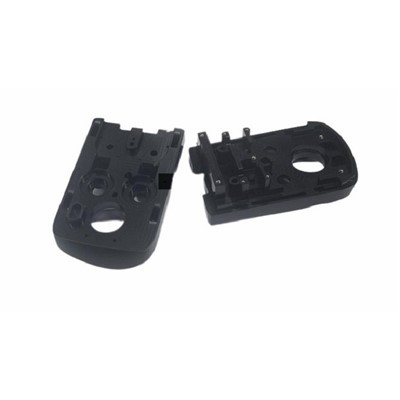
Improving the efficiency of CNC metal machining is a multifaceted process that requires a combination of strategic planning, technological investment, and workforce development. By focusing on machine utilization, program optimization, quality control, and other key areas, you can significantly enhance your productivity, reduce costs, and improve your competitiveness in the market.
CNC Metal Machining As a CNC metal machining supplier, I’m committed to helping my customers achieve their efficiency goals. Whether you’re looking to upgrade your equipment, optimize your programming, or improve your quality control processes, I’m here to offer advice and support. If you’re interested in discussing how we can work together to improve your CNC metal machining efficiency, I’d love to hear from you. Reach out to me to start a conversation about your specific needs and how we can find the best solutions for your business.
References
- "CNC Machining Handbook" by Mark Ciobanu
- "Modern Machining Technology" by Robert L. Todd
- Industry whitepapers on CNC metal machining efficiency published by leading machining associations.
Mid (Dongguan) Intelligent Manufacturing Co., Ltd.
Mid (Dongguan) Intelligent Manufacturing Co., Ltd. is one of the leading cnc metal machining manufacturers and suppliers in China. We warmly welcome you to buy cnc metal machining for sale here from our factory. All customized products are with high quality and competitive price. Contact us for quotation and free sample.
Address: No.22, Jiaoping Road, Tangxia Town, Dongguan City, Guangdong, China
E-mail: bruce_qin@bishenprecision.com
WebSite: https://www.bishenprecision.com/
