Hey there! I’m a supplier of rubber conveyor belts, and I’ve seen a lot of questions about how to adjust the tension of these belts. It’s a crucial aspect of keeping your conveyor system running smoothly, so let’s dive right in and talk about it. Rubber Conveyor Belt
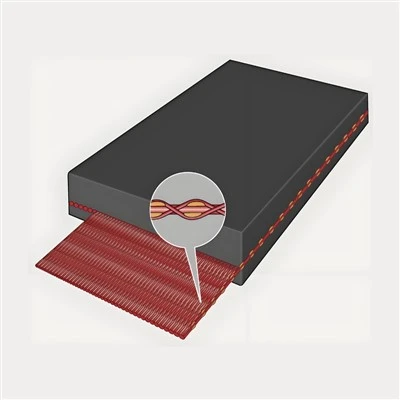
First off, why is belt tension so important? Well, if the belt is too loose, it can slip on the pulley, which means your conveyor won’t move materials as efficiently as it should. It can also cause the belt to wear out faster because it’s constantly shifting around. On the other hand, if the belt is too tight, it puts extra stress on the bearings, motors, and other components of the conveyor system. This can lead to premature failure of these parts and increase your maintenance costs.
So, how do you know if your belt has the right tension? One way is to do a simple visual inspection. A properly tensioned belt should run straight and smoothly without any sagging or excessive vibration. You can also use a tension gauge, which is a handy tool that measures the force required to deflect the belt a certain distance. The manufacturer’s specifications for your conveyor system will tell you what the ideal tension should be, so make sure to check those.
Now, let’s get into the actual process of adjusting the tension. The first step is to locate the tensioning device on your conveyor. This is usually a set of bolts or a screw mechanism that allows you to move one of the pulleys back and forth. Some conveyors have automatic tensioning systems, but for the sake of simplicity, we’ll focus on manual adjustment here.
Before you start adjusting the tension, make sure the conveyor is turned off and locked out to prevent any accidental startup. Safety first, folks! Once you’ve done that, loosen the bolts or turn the screw on the tensioning device to release the tension on the belt. You’ll want to do this gradually, a little bit at a time.
Next, you’ll need to measure the belt tension. As I mentioned earlier, you can use a tension gauge for this. Place the gauge on the belt and apply a force to deflect it. The gauge will give you a reading of the tension. Compare this reading to the manufacturer’s specifications. If the tension is too low, you’ll need to tighten the belt. If it’s too high, you’ll need to loosen it.
To tighten the belt, turn the screw or tighten the bolts on the tensioning device in the direction that moves the pulley away from the other pulley. This will increase the distance between the pulleys and put more tension on the belt. Keep adjusting the tension in small increments and checking the tension with the gauge until you reach the ideal tension.
If you need to loosen the belt, do the opposite. Turn the screw or loosen the bolts on the tensioning device to move the pulley closer to the other pulley. Again, make small adjustments and check the tension regularly.
It’s important to note that adjusting the tension isn’t a one-time thing. Over time, the belt will stretch and the tension will change. That’s why it’s a good idea to check the belt tension regularly, at least once a month or more often if your conveyor is used heavily.
Another thing to keep in mind is that different types of rubber conveyor belts may require different tensioning methods. For example, some belts are more flexible than others, and they may need a different amount of tension to operate properly. Make sure to consult the manufacturer’s guidelines for your specific belt.
In addition to adjusting the tension, there are a few other things you can do to keep your rubber conveyor belt in good condition. First, keep the belt clean. Dirt, debris, and other contaminants can cause the belt to wear out faster and affect its performance. You can use a mild detergent and a soft brush to clean the belt.
Second, make sure the pulleys are properly aligned. Misaligned pulleys can cause the belt to wear unevenly and increase the risk of slippage. You can use a laser alignment tool to check the alignment of the pulleys.
Finally, lubricate the bearings and other moving parts of the conveyor system regularly. This will help reduce friction and wear and keep the system running smoothly.

Well, that’s about it for adjusting the tension of a rubber conveyor belt. I hope this information has been helpful to you. If you have any questions or need more advice, don’t hesitate to reach out. As a rubber conveyor belt supplier, I’m here to help you keep your conveyor system running at its best. Whether you’re looking to replace an old belt or need a new one for a new project, we’ve got you covered. Just get in touch, and we can have a chat about your needs and find the perfect solution for you.
Low Rolling Resistant Conveyor Belt References:
- Conveyor Belt Handbook by various industry experts
- Manufacturer’s manuals for rubber conveyor belts
Alumina Technology (Qingdao) New Materials Co., Ltd.
As one of the most professional rubber conveyor belt manufacturers and suppliers in China, we also support customized service. With abundant experience, we warmly welcome you to buy rubber conveyor belt for sale here and get quotation from our factory. For price consultation, contact us.
Address: No.448, Jiangshan South Road, Huangdao District, Qingdao City, Shandong Province
E-mail: Gloria.zhang@contitech.cn
WebSite: https://www.altechconveyorbelt.com/
