As a reactor vessel supplier with over two decades in the nuclear power industry, I’ve spent countless hours on plant shutdown outages, kneeling beside operators as they check radiation monitoring panels, and working with engineering teams to upgrade systems that keep both personnel and vessels safe. It’s work that’s equal parts technical precision and hands-on problem-solving—something I don’t see enough of in generic guides about nuclear safety. Today, I want to pull back the curtain on how reactor vessel radiation is really monitored, because this isn’t just a set-it-and-forget-it process: it’s a layered, site-specific practice that ties directly to every reactor vessel we design, manufacture, and deliver. Reactor Vessel

First, let’s ground this in what we’re actually monitoring. The reactor vessel is the heart of a pressurized water reactor (PWR), the most common design in the global nuclear fleet. It holds the core, where uranium atoms split to generate heat, and surrounding that core are dozens of fuel assemblies, control rods, and pressurized coolant. When fission happens, it not only produces thermal energy but also high-energy neutron radiation (the primary concern here) and gamma radiation, both of which can degrade vessel materials over time, create safety hazards for staff during maintenance, and even impact the structural integrity of the vessel itself over its 60+ year design life. Our job as a supplier isn’t just to build a strong, pressure-resistant vessel—it’s to make sure that anyone interacting with it can track those radiation levels reliably, every step of the way.
Let’s start with the most familiar monitoring: fixed in-vessel and ex-vessel sensors. Inside the vessel, right near the core, we install ruggedized neutron detectors called fission chambers or self-powered neutron detectors (SPNDs). These aren’t off-the-shelf parts—we spec them to withstand the extreme conditions inside a reactor: temperatures up to 350 degrees Celsius, pressure at 155 bar, and constant exposure to neutron and gamma flux that would fry a standard sensor in hours. SPNDs, for example, work by generating an electrical current directly from the interaction of neutrons with the detector’s core material (usually rhodium or vanadium), so they don’t need external power—critical for a space as tight as a reactor vessel, where wiring runs have to be routed around fuel assemblies and structural supports. We calibrate every single one of these sensors in our calibration lab before shipment, because even a 5% miscalibration can lead to inaccurate data that puts a plant at risk.
Ex-vessel fixed detectors are just as important. Mounted on the outer surface of the reactor vessel or in the reactor cavity (the concrete structure that surrounds the vessel), these measure radiation that leaks through the vessel wall. These are often ionization chambers, which measure gamma radiation by detecting the electrical charge created when gamma rays pass through a gas inside the chamber. We work closely with plants to position these detectors based on the vessel’s design: for a large 1700 MWe PWR, for example, we recommend 12 ex-vessel detectors placed at equal 30-degree intervals around the vessel’s midsection, where radiation leakage is highest. That way, if a hot spot develops from uneven fuel burnup or minor material degradation, operators can spot it quickly.
But fixed sensors only tell part of the story. They give continuous, real-time data, but they can’t cover every corner of the vessel—especially during maintenance outages, when parts of the vessel are accessible only for a few weeks every 18 to 24 months. That’s where portable monitoring tools come in, and this is an area where our team at the supplier side provides a lot of on-site support and specialized equipment. The two most common portable tools are survey meters and dosimetry badges.
Survey meters are handheld devices, usually a Geiger-Müller counter or a scintillation detector, that operators use to scan the vessel’s exterior, welds, and nozzle connections during outages. We supply survey meters customized for our vessels—for example, thicker, heat-resistant casings that can withstand the temporary high temperatures during cooldown, and software that syncs directly to the plant’s radiation database, so data is logged instantly instead of scribbled on paper. Scintillation detectors are more sensitive than Geiger counters, so they’re used to spot low-level radiation leaks that might be missed during routine checks. We’ve had clients call us mid-outage a few years back because a survey meter they’d rented from a general industrial supplier failed to pick up a tiny gamma leak on a reactor vessel nozzle; our specialized unit caught it in minutes, preventing a safety incident and a potential 2-day delay to the outage.
Dosimetry is another critical portable piece of the puzzle. Operators who work near the reactor vessel wear dosimetry badges or film rings that measure cumulative radiation exposure over weeks or months. These badges use thermoluminescent material: when exposed to radiation, the material traps energy, and when heated later, it releases light proportional to the radiation dose. We work with plants to identify which areas of the vessel are most radioactive, so they can assign badges to personnel accordingly, and our vessel design includes clear markers for dosimeter placement points right on the vessel’s exterior, so there’s no guesswork during inspections.
Beyond continuous and portable monitoring, there’s the long-term monitoring that’s central to reactor vessel life management. This is where our expertise as a supplier really adds value. Reactor vessel materials—usually low-alloy steel with a steel liner—are susceptible to neutron embrittlement over time: high-energy neutrons knock atoms out of place in the steel, making it more brittle and prone to fracture. To track this, plants place small, discrete samples of the vessel’s steel (called surveillance capsules) in the core during initial operation. These capsules are removed every 5 to 10 years during outages, sent to a materials testing lab, and tested for embrittlement. The radiation data from the capsule’s exposure is used to correlate embrittlement with actual vessel performance. We design these capsules to fit perfectly into the vessel’s internal structures, so they don’t interfere with coolant flow or core operations, and we provide plants with detailed blueprints for capsule placement that are tailored to their reactor model. Without accurate radiation data from these capsules, a plant might extend a vessel’s operation beyond safe limits—something we take very seriously.
Now, let’s talk about the unglamorous, but absolutely critical, part: calibration and data validation. All of these sensors are useless if their readings are wrong. Every year, plant radiation engineers and our in-house calibration team perform a “source calibration” of the fixed detectors: they use a small, known radioactive source (like cobalt-60) to expose the detector and check that its reading matches the expected value. If a detector is off by more than 3%, it’s replaced or recalibrated on-site. We also work with plants to create a “baseline” radiation profile for their vessel during initial operation—so any deviation from that baseline (say, a 10% spike in radiation on a certain detector) is immediately flagged as a potential issue. A few years ago, one of our clients noticed a small spike in ex-vessel detector data that didn’t match their baseline; we walked their engineering team through cross-referencing that data with core fuel burnup records, and they discovered a small misalignment in a fuel assembly that was causing uneven radiation. Catching that early prevented a more serious problem during the next cycle.
It’s worth addressing a common misconception: radiation monitoring is just for safety, but it’s also tied to regulatory compliance. The Nuclear Regulatory Commission (NRC) in the U.S., and similar bodies around the world, require plants to maintain detailed, auditable records of radiation levels around reactor vessels. We design our vessels with built-in data ports that integrate directly with the plant’s regulatory reporting systems, so radiation data is stored digitally, cannot be altered, and is ready for audit at any time. This is why we invest so much in sensor reliability—cutting corners on sensor quality doesn’t just put a plant at risk of a safety incident, it can lead to millions of dollars in regulatory fines.
As a supplier, we don’t just deliver vessel hardware and walk away. We provide training for plant operators on radiation monitoring, too. Many operators are technicians who’ve worked in other industries and don’t have specialized nuclear training, so our training courses are hands-on: we set up a mock reactor vessel in our training facility, with working sensors, and walk operators through calibrating detectors, interpreting radiation data, and responding to alarms. We also offer on-site support during outages, when teams are using portable tools to scan the vessel—having our engineers on hand means we can adjust equipment on the fly, answer questions, and make sure the data being collected is accurate.
Now, let’s be real: radiation monitoring isn’t perfect. There are limitations. Fixed sensors, for example, can’t detect radiation on the vessel’s interior without shutting down the reactor and running specialized scans, which adds to outage costs. Portable survey meters are only as good as the operator using them—human error, like skipping a weld check or misaligning a detector, can lead to missed issues. That’s why we’re always working on innovations to improve monitoring: we’re currently developing a robotic crawler that can move along the exterior of the vessel during normal operation, not just during outages, to scan for low-level radiation leaks that fixed sensors might miss. The crawler is small enough to fit in the tight gaps between the vessel and the reactor cavity, and it transmits data in real time, so operators can monitor radiation levels without needing to send personnel into high-risk areas.
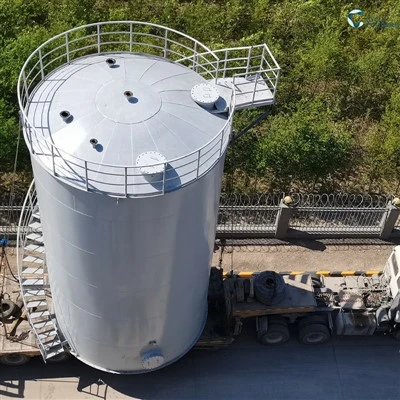
At the end of the day, every part of how we monitor reactor vessel radiation ties back to the core of what we do: building vessels that are safe, reliable, and compliant for their entire service life. If you’re a plant manager, radiation engineer, or maintenance lead looking to upgrade your vessel’s radiation monitoring systems, replace aging sensors, or get support with life management data, our team has the expertise to tailor solutions to your specific reactor model and site needs. We work with plants across the globe, from small modular reactors to large 1800 MWe units, and we’ve built our reputation on delivering not just equipment, but support that keeps your operations running safely.
Floating Head Heat Exchanger References
- U.S. Nuclear Regulatory Commission. (2022). Reactor Vessel Radiation Monitoring and Surveillance Requirements. NRC Regulatory Guide 1.21, U.S. Government Printing Office.
- International Atomic Energy Agency. (2020). Radiation Monitoring for Nuclear Power Plant Reactor Vessels. IAEA Safety Standards Series No. GS-G-3.1, IAEA, Vienna.
- Nuclear Energy Institute. (2021). Best Practices for Reactor Vessel Life Management and Radiation Monitoring. Nuclear Energy Institute, Washington, D.C.
- Society of Nuclear Engineers. (2019). Calibration and Validation of Reactor Vessel Radiation Monitoring Systems. Proceedings of the 2019 Nuclear Plant Operations Conference.
Beijing Cycle Columbus Environmental Science & Technology Co., Ltd.
Beijing Cycle Columbus Environmental Science & Technology Co., Ltd. is one of the most professional reactor vessel manufacturers and suppliers in China. We are committed to providing high quality customized products with competitive price. Please feel free to buy advanced reactor vessel made in China here from our factory. Also, quotation is available.
Address: 1201, 12/F, Tower B, Bldg 8, Guancheng Garden, Haidian District, Beijing, China
E-mail: Info@saikekanglun.com
WebSite: https://www.cycle-columbus.com/
