Hey everyone, let’s cut to the chase—if you’re anyone involved in making medical devices, you’ve probably stared at a spec sheet a dozen times lately and thought, “Wait, do I really need antistatic additives here?” Or maybe you’ve been side-eyed by your quality team for not nailing static control on a component last quarter, and now you’re second-guessing every chemical you add to the mix. As someone who’s actually on the antistatic additives supplier side (no stuffy boardroom suits here—just the team that troubleshoots 3 AM production line panics), I get it. The big question right now is: Are these antistatic stuff actually safe for medical devices? Spoiler alert: It’s not a yes/no answer, and that’s exactly why we’re breaking it down like we chat on our Slack channel after a long day. Antistatic Additives
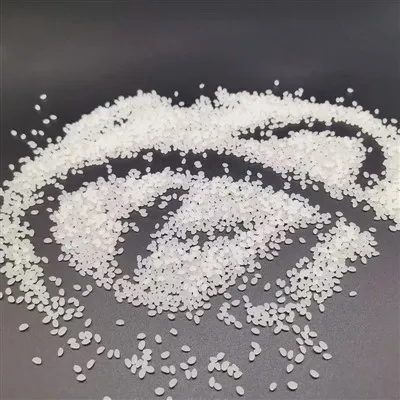
First, let’s ground this in what antistatic additives even do, because half the confusion comes from mixing up “static control” with “chemical hazard.” If you work with plastics (which, let’s be real, 90% of medical devices do—think IV tubing, syringe components, implantable device casing), static is the annoying, costly devil. A tiny static spark can mess up microchips in pacemaker parts, or attract particulate contaminants to a surgical tool that would put a patient at risk. Antistatic additives fix this by either drawing moisture to the plastic surface (those are the “external” ones everyone uses) or migrating through the plastic matrix to build that same conductive layer (the “internal” ones we love for durable, long-lasting parts). But when you’re selling to hospitals, OEMs, or regulators, “works as intended” only gets you so far—safety is non-negotiable.
Let’s start with the obvious: The FDA isn’t out here banning antistatic additives, but they are strict about what touches human bodies—either directly (implants, wound dressings) or indirectly (devices that go into patients’ bodies, drug delivery tools). Here’s the tea: Most reputable internal antistatic additives (the ones we supply—shoutout to the formulation team that tests every batch) are FDA-listed as generally recognized as safe (GRAS) for medical plastics. Wait, but why have I heard horror stories about “bad additives” causing leaching? Because not all antistatic additives are created equal. A no-name supplier might cut corners, using cheap surfactants that leach out of plastic over time when it’s exposed to body fluids, heat, or sterilization cycles. That’s a problem—leachable chemicals can cause inflammation, ruin drug products (if you’re in medical packaging), or even corrode the metal parts inside a device.
Let’s talk use cases, because this is where safety gets specific, not generic. If you’re making a disposable, single-use device like a surgical drape or a syringe barrel that only touches skin for 10 seconds? The risk of leaching is near zero. The antistatic additive we supply for that line is a polyethylene glycol (PEG)-based surfactant, which is compatible with low-density polyethylene (LDPE) and polypropylene (PP)—two super common plastics in disposables. PEG is already used in things like eye drops and topical creams, so the human body is familiar with it. No weird reactions here, as long as you’re not over-dosing the additive (we test every batch to hit the exact concentration that gives 10^10 ohms/sq of surface resistivity—enough to stop static, not enough to leach).
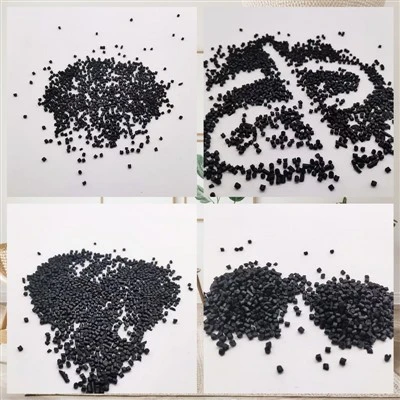
Now, the tricky part: implantable devices, or devices that go into the body for weeks, months, or years. Wait, hold on—can antistatic additives even be used here? The short answer is yes, but only a tiny, select subset. For example, we supply a permanent antistatic additive that’s a conductive polymer blended with medical-grade polycarbonate (PC) for pacemaker casing. This one doesn’t leach at all—it’s chemically bonded to the plastic matrix, so it never migrates. We had a client a couple years back who was using a regular conductive carbon additive that caused minor tissue irritation in test subjects, and they switched to ours. No more irritation, and their static control held up even after gamma sterilization (a big win, since gamma can break down cheaper additives). That said, if you try to stick a cheap, untested additive in an implantable part? You’re asking for a recall, and trust me—no medical OEM wants that on their resume.
Then there’s the sterilization angle, which ties directly to safety. Most medical devices go through autoclaving, gamma irradiation, or ETO (ethylene oxide) sterilization. If your antistatic additive can’t hold up to that, two things happen: First, you lose static control, which brings back the risk of sparking or contamination. Second, the additive breaks down, creating unknown byproducts that could be toxic. We test all our additives through full sterilization cycles—gamma at 25 kGy, autoclave at 121°C for 15 minutes, ETO at 55°C for 12 hours. We’ve had clients send us their exact sterilization protocols, and we tweak our formulations to match. No surprises, no unexpected breakdowns, no nasty byproducts. That’s the difference between a supplier who just sells you a chemical and one who’s in the medical safety game with you.
Wait, let’s address the elephant in the room: are there any antistatic additives that are actually unsafe? Yeah, but they’re not intended for medical use. A lot of general-purpose antistatic additives (the ones for plastic water bottles or electronics packaging) use alkylphenol ethoxylates (APEOs) or other surfactants that are linked to hormone disruption—stuff you never want near a patient. These are cheap, and you’ll see them offered on Alibaba with no medical claims. We turn down every request for APEO-based additives, not just because we care about safety, but because the FDA will catch it. If you get a batch of medical devices with leftover APEOs, your lot gets quarantined, and that’s a career-killer for your quality team.
Another big point: biocompatibility. This isn’t just a buzzword—ISO 10993 is the global standard for medical device biocompatibility, and any additive you use has to pass those tests. That means cytotoxicity testing, irritation testing, sensitization testing. We do all this in-house for our medical-grade additives, and we give our clients full test data with every shipment. Last year, a startup making wearable cardiac monitors hit a snag—their initial additive failed the sensitization test, so they switched to our bis(2-hydroxyethyl) tallowamine (BETA) derivative, which is ISO 10993 certified. No more failed tests, and they launched on time. The moral here is: if your antistatic additive supplier isn’t providing ISO 10993 or FDA DMF (Drug Master File) numbers, run. Don’t walk.
Let’s also talk about long-term performance, because “safe” isn’t just about what happens right after manufacturing. If you’ve got a device that’s stored for 5 years before use, does the antistatic additive still work, or does it leach over time? We’ve tested our additives in accelerated aging conditions—80°C and 80% humidity for 6 months, which simulates 5 years of shelf life. The surface resistivity stays steady, and leachables are below the FDA’s 0.1 ppm threshold for Class III medical devices. That’s huge because you don’t want a device that’s safe when it leaves the warehouse, but toxic when it’s used in a surgery 3 years later.
Wait, but what about regulatory hoops? Let’s be real—no one wants to file a new drug application (NDA) or a 510(k) just for an antistatic additive. That’s why all our medical-grade additives are listed in the FDA’s Inactive Ingredient Database (IID) and have active DMFs, so our clients can reference our DMF number in their 510(k) submissions. We’ve even worked with a client on a 510(k) for a new IV pump casing, and our DMF was accepted without extra testing because we already did the biocompatibility work. That cuts down their time to market by 3-6 months, which is massive in the medical device space.
Let’s wrap this up with some hard truths and actionable takeaways, because no one cares about a rant without solutions. First, antistatic additives are safe for medical devices—if you pick the right ones. The wrong ones? They’re a disaster waiting to happen. Second, here’s how to pick a safe additive: 1) Ask for FDA GRAS/IID listing and ISO 10993 biocompatibility data. 2) Make sure it’s compatible with your plastic and your sterilization method. 3) Avoid uncertified, cheap additives from suppliers that don’t specialize in medical. 4) Test leachables and extractables (we do this for free for our clients, fyi).
Now, if you’re someone who’s currently stressing about static control on your medical device, or you’re re-evaluating your additive supplier because of a recent FDA audit, or you just want to stop dealing with static-related production delays and safety risks? Hit us up. We don’t do generic solutions—we work with you to tweak our antistatic additive formula to match your exact device, material, and regulatory requirements. No sales fluff, just real data, fast turnaround, and additives that pass the safety tests so you can focus on making great medical devices, not fixing preventable mistakes.
Don’t let static slow you down or put patients at risk. Let’s chat.
Super Conductive Material References:
- U.S. Food and Drug Administration. (2023). Guidance for Industry: Biocompatibility of Medical Devices.
- International Organization for Standardization. (2019). ISO 10993-5: Biological evaluation of medical devices – Part 5: Tests for in vitro cytotoxicity.
- ISO 10993-10: Biological evaluation of medical devices – Part 10: Tests for irritation and skin sensitization.
- International Organization for Standardization. (2021). ISO 11607: Packaging for terminally sterilized medical devices.
- U.S. Food and Drug Administration. (2022). Inactive Ingredient Database (IID) Listings for Antistatic Surfactants.
Jiangxi Sugo Advanced Materials Co., Ltd.
With abundant experience, we are one of the most professional antistatic additives manufacturers in China. Please feel free to buy high quality antistatic additives in stock here and get free sample from our factory. We also accept customized orders.
Address: 1st Fugong Rd, Futian Industrial Park, Dingnan, Ganzhou City, Jiangxi Prov., R.P.C 341900
E-mail: EILEEN@SUGOPLAS.COM
WebSite: https://www.sugo-esd.com/
