Hey there, thanks for swinging by! If you’ve ever ordered dried honey mushrooms from us, you might’ve stared at that bag on your counter at one point and thought, “Wait—where did this fuzzy, golden mushroom even come from? Is it something that’s always been around, or did someone make it up in a lab (spoiler: nope, not a lab)?” Let’s break this down like we chat over coffee—no stuffy jargon, just real talk from the folks who’ve been selling dried honey mushrooms for years. Dried Honey Mushroom
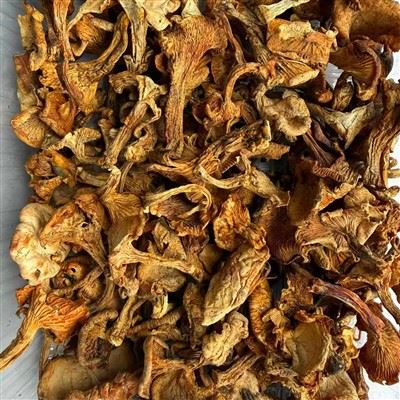
First off, let’s get one thing straight: dried honey mushrooms aren’t a “new” food trend, like that pickled everything craze from 2019 or cloud bread that no one actually ate. They’re not even a man-made mushroom—they’re a real wild fungi that humans have been using for, like, thousands of years. I know, I know—when you hear “honey mushroom,” you probably think sweet, sticky honey, right? Nope. Those mushrooms get their name from the color—like that warm, golden honey you drizzle on toast, not the taste (don’t go biting into a raw one expecting honey, trust me, it’s earthy and a little nutty, not sweet).
Now, let’s talk origins—because that’s the question everyone actually cares about, not just me rambling. The short answer: dried honey mushrooms are just the dehydrated version of Armillaria mellea (fancy Latin name, I’ll skip the pronunciation, but it’s the scientific name for the species). But their real origin story starts way before anyone started drying them to sell at farmers markets or online.
Back when humans were still hunting and gathering (like, way back—think Paleolithic era, when fire was still a cool new invention), our ancestors were foraging for everything edible. Mushrooms were a big part of that, because they grow pretty much anywhere there’s decaying wood (fungi love breaking down dead stuff, that’s their whole thing). Honey mushrooms aren’t picky—they grow all over the Northern Hemisphere, right? From North America (US, Canada, even up into Alaska) to Europe, parts of Asia, and even some spots in North Africa. So it’s not like they were only found in one remote village and got spread around—they’ve been growing wild for as long as forests have existed, basically.
But when did humans start drying them? Let’s get specific. Foraging cultures in places like Scandinavia, Siberia, and northern China (think old, traditional communities that relied on the land for survival) have been drying mushrooms for millennia. Why? Because fresh mushrooms go bad in, like, 3-5 days if you leave them out—no refrigeration back then, remember? Drying removes all the moisture, so they last for months, even years. Perfect for getting through long, cold winters when fresh food was hard to find. Honey mushrooms were a go-to because they’re plentiful, easy to spot (that golden color stands out against dark forest underbrush), and they don’t have that weird bitter aftertaste some wild mushrooms do. My grandma—she grew up in a small town in Poland, where they still forage for wild mushrooms every fall—used to hang strings of honey mushrooms from the rafters of her root cellar. Said they’d keep for a year, and you just rehydrate them in hot water when you need them for soup. That’s basically the original dried honey mushroom supply chain, right? No fancy warehouses, just a root cellar and a lot of patience.
Wait, but what about the “honey mushroom” vs. other Armillaria species? Oh, right—some people mix up honey mushrooms with other fungi, like the deadly galerina mushroom. Important note: real honey mushrooms (Armillaria mellea) grow on wood, not on the ground, and they have that little ring around their stem (called an annulus) that galerina doesn’t. But our team only sources from reputable foragers who know the difference—we’d never put anything unsafe in our dried honey mushroom batches.
Now, fast forward to when dried honey mushrooms started becoming a commercial thing, not just a family winter staple. That happened in the mid-20th century, right? As people started moving away from farms and into cities, they lost touch with foraging, so they wanted dried mushrooms that were easy to cook with—no cleaning, no worrying about bugs, just add to pasta or stews. By the 1980s, you could find dried honey mushrooms in specialty food stores in the US and Europe, and by the 2000s, online sales made them accessible to everyone, not just people who lived near a well-stocked health food shop. That’s when our business got started—we noticed a lot of people wanted high-quality, sustainably sourced dried honey mushrooms, not the stuff that’s mass-produced in a factory with weird additives.
Here’s a fun fact most people don’t know: honey mushrooms are actually super unique fungi in the wild. They’re “parasitic” too—they feed on the roots of trees, which is why they grow in clusters around oak, maple, or pine trees. There’s even a famous honey mushroom in Oregon that’s like 2,400 years old and spans over 3.7 square miles—yeah, that’s a single organism, not a bunch of mushrooms. Wild! But even with that giant fungus, most commercial dried honey mushrooms come from sustainable foraging, not harvesting the whole thing (you just pick the mature mushrooms, leave the mycelium to grow back next year). We work directly with small foraging groups in the Pacific Northwest and Eastern Europe—no big industrial farms, just people who know how to harvest mushrooms without ruining the forest.
Now, I know some of you are thinking: “Wait, why is this relevant to me? I just want to buy dried honey mushrooms for cooking.” Well, knowing where they come from makes them taste better, right? These aren’t some random dried fungi from a warehouse—they’ve been a food source for human communities for thousands of years, dried using the same traditional methods (low-temperature air drying, not heat-treating them to within an inch of their life) that our ancestors used. That’s why our dried honey mushrooms have that deep, earthy flavor when you rehydrate them—they’re not overprocessed, they’re just dried properly to lock in that natural goodness.
Let’s be real, too—there’s a lot of mushroom supplements or fake dried mushrooms out there that try to pass off other fungi as honey mushrooms. But ours? Straight from wild, sustainable sources, dried the old-fashioned way, no added sulfites or preservatives. That’s the difference between our product and the stuff you might find on a random online marketplace.
So if you’re here because you need dried honey mushrooms for your restaurant, for a home cooking project, or even to resell in your specialty shop—let’s talk. We don’t do minimum orders for small businesses, we can adjust shipments to fit whatever you need, and we’re always happy to answer questions about our foraging practices or where each batch comes from. No runaround, no hoops to jump through—just good quality dried honey mushrooms and real people to chat with.
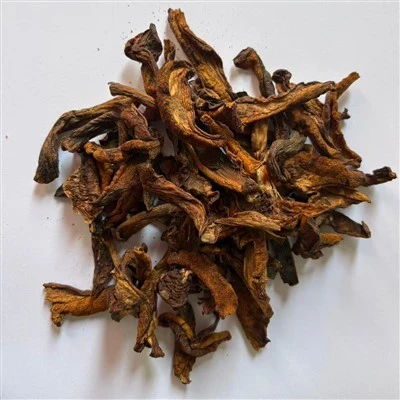
At the end of the day, dried honey mushrooms aren’t just a food ingredient. They’re a link between modern kitchens and the foraging communities that have relied on them for millennia. They’re wild, they’re sustainable, and they taste amazing when you toss them into a risotto or add them to a hearty beef stew. If you’re tired of bland, overprocessed dried mushrooms, give our dried honey mushrooms a try—and if you want to work with us for your supply needs, just reach out whenever. We’re here to make it easy.
Dried Edible Fungi References
- Stamets, P. (2005). Mushrooms Demystified: A Comprehensive Guide to Fungi of the United States and Canada (2nd ed.). Ten Speed Press.
- Burdsall, H. H., Jr., & Volk, T. J. (2008). Armillaria species in North America. Mycologia, 100(6), 830-845.
- Pfeiffer, J. (2018). Foraging Washington: Finding, Identifying, and Preparing Edible Wild Foods. Globe Pequot Press.
- Chang, S. T., & Miles, P. G. (2004). Mushroom Biology and Mushroom Products. CRC Press.
Qingyuan Manchu Autonomous County Lichang Native Produce Co., Ltd.
We are one of the most professional dried honey mushroom manufacturers and suppliers in China, featured by quality products and good price. Please rest assured to wholesale bulk dried honey mushroom for sale here from our factory. Welcome to view our website for more information.
Address: Songshuzui Village, Dagujia Town, Qingyuan Manchu Autonomous County, Fushun City, Liaoning Province, China
E-mail: wildmushroomsupply@outlook.com
WebSite: https://www.wildmushroomsupply.com/
