If you’re in the market for precision turned parts, you probably don’t spend a ton of time thinking about how those tiny, complex components are made beyond their tolerances and lead times. But here’s the thing—for us, as a precision turned parts supplier, environmental stuff isn’t an afterthought. It’s baked into every step of the process, and it’s become a non-negotiable for clients too. A lot of folks don’t realize how much goes into manufacturing these parts that impacts the planet, so let’s break it down like we chat with our regulars on the shop floor. Precision Turned Parts
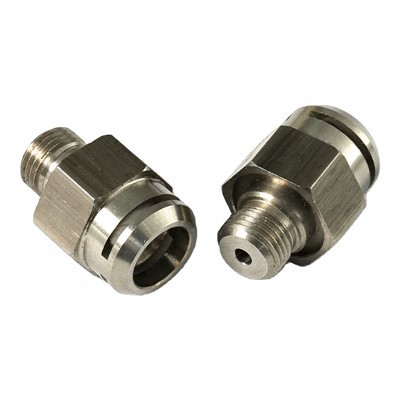
First off, let’s start with the basics: what even are precision turned parts? They’re those super tight-tolerance components—think aerospace fittings, medical device screws, automotive sensor parts—made by spinning a workpiece on a lathe and cutting it down to exact specs, sometimes to within thousandths of an inch. The manufacturing process here is way different from slapping together a plastic toy; it uses tons of metal, sharp cutting tools, coolant, energy, and waste. So the environmental considerations aren’t trivial—they’re tied to resource use, emissions, and how we handle all the leftover stuff.
One of the biggest headaches (and opportunities) for us is material selection and waste reduction. A lot of suppliers used to grab whatever cheap metal was on the shelf—maybe a virgin aluminum billet that’s more than we needed—cut away 60% as scrap, and call it a day. That’s just not sustainable anymore. Now, we work backwards: first, pick the right material for the job, not the one that’s cheapest at face value. For example, if a medical part only needs 303 stainless steel, we don’t use 316, which is a higher grade that requires way more energy to refine. Then, we source as much recycled material as possible. Wait, not just “recycled”—we make sure it’s certified aerospace or medical grade, because recycled metal can have impurities that mess up tight tolerances. That’s a big win: using recycled aluminum cuts carbon emissions by like 95% compared to virgin, per the EPA. And when we do use billets, we order them in exact, custom lengths so we’re not left with a 12-inch piece when we only need a 4-inch one.
But even with that, turning parts generates scrap metal—sometimes up to 50% of the original billet. So what do we do with that? We don’t just haul it to the scrap yard and call it good. We have a on-site processor that sorts the scrap by alloy (stainless vs. brass vs. aluminum) right after it comes off the lathe, so it doesn’t get contaminated. Then, we partner with a local metal reclaimer that melts our sorted scrap back into new billets—no cross-contamination, no extra transportation emissions from shipping far away. Last year, we diverted over 90% of our manufacturing scrap from landfills that way. That’s not just a stat; that’s us avoiding thousands of pounds of metal sitting in a dump for centuries.
Next up, cutting fluids and waste management. Oh man, cutting fluids are a weird, messy part of turning. They’re not just water—they’re a mix of oil, lubricants, and sometimes biocides to keep the lathe tools cool and prevent bacterial growth, which keeps parts from rusting. But old cutting fluid is toxic, right? It has heavy metals from the scrap bits, and if you dump it, it pollutes water. So here’s what we do: we use synthetics instead of conventional oil-based fluids. Synthetics last longer—like 3x longer—so we go through way less of them. We also have a closed-loop system: the fluid that comes off the lathes gets filtered, cleaned, and tested every week, then fed back into the machines. We only have to replace 10% of the system each month, compared to 100% with old open systems. The small amount of fluid we do have to get rid of is treated at a licensed, local waste facility, not shipped cross-country—so that cuts emissions too. We even skip the biocides now; we use ultraviolet light to kill bacteria in the fluid, which means no toxic chemicals leaching out. That’s been a game-changer for our shop’s air quality too—no more strong fumes for our guys, which is a win-win for people and planet.
Energy use is another big one. Lathes are big, energy-hungry machines, especially the CNC ones that run 24/7 for big jobs. A few years ago, we realized our old shop lighting was wasteful, and our lathes were running at full power even when they only needed half for smaller parts. So we upgraded to energy-efficient LED lighting with motion sensors—they automatically turn off in empty parts of the shop, saving like 25% on our electricity bill. For the lathes, we installed variable frequency drives (VFDs) that adjust power based on the job. If a part is small and low-tolerance, the lathe doesn’t need to spin as fast or use as much energy. We also added a solar array on the warehouse roof last year—now we power 30% of our shop with solar, which is way cleaner than grid electricity in our area. Oh, and we schedule big jobs during the day when solar is at peak, so we’re using the cleanest power possible. It’s not just about cutting costs; it’s about reducing our carbon footprint, and our clients notice that when they ask for our sustainability reports.
Wait, let’s not forget about emissions from the machines themselves. Even with VFDs, CNC lathes emit a little bit of particulate matter and volatile organic compounds (VOCs) from the cutting fluid. So we invested in high-velocity mist collectors that suck up those tiny particles before they hit the air. They’re not just for the environment—they keep our employees healthy, too, because breathing metal mist isn’t good for lungs. We also recently swapped out our older lathes for newer, more efficient models that meet stricter EPA emissions standards, which meant a little upfront cost but way lower long-term emissions and maintenance.
Then there’s the end-of-life for the parts? No, wait, that’s more the client’s job, but we do consider it when designing the parts. For example, if a part is going into a product that’s easy to take apart, we make sure it’s designed to be disassembled and recycled too. Like, instead of using a mix of alloys that can’t be separated, we use single alloys where possible. That means when the product reaches the end of its life, the part can be recycled easily, no extra sorting needed. Clients love that because it adds value to their own sustainability efforts. A lot of our clients are in medical or aerospace, where traceability is big, so making parts that are easy to recycle is a huge selling point now.
But it’s not all perfect, right? We’re still learning. For example, shipping parts to clients—we try to use local shipping for jobs within a 50-mile radius, and we’re switching to electric delivery vans next year instead of gas ones. We also use 100% recycled cardboard for packaging, and we skip the plastic peanuts—use biodegradable paper filler instead. That’s a small thing, but when you’re shipping hundreds of parts a week, it adds up.
Here’s the thing I tell every potential client: when you pick a precision turned parts supplier, you’re not just picking someone to make a component. You’re picking a partner whose choices impact the planet. A lot of suppliers cut corners on sustainability to undercut prices, but that usually means more scrap, more toxic waste, and higher carbon emissions. We’ve invested in all these systems because it’s the right thing to do, and it’s what our clients demand now. If you’re tired of suppliers that don’t care about the environmental side, or you want to audit your supply chain’s sustainability, hit us up. We’ll share our waste diversion rates, energy use stats, and even give you a tour of the shop to see our processes firsthand. We’re not here to do a song and dance—we’re here to prove it.
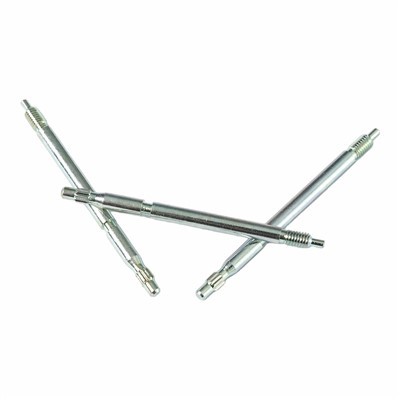
So yeah, that’s the real deal with environmental considerations in precision turned parts manufacturing. It’s not just a buzzword; it’s every step, from picking the metal to shipping the finished part. If you’re looking for a supplier that gets that, we’re the ones to talk to. Don’t hesitate to reach out to discuss your project and how we can work together on both quality and sustainability.
Copper Turning References:
- U.S. Environmental Protection Agency. (2022). Recycled Metal Benefits. Retrieved from EPA Sustainable Materials Management.
- American Society of Mechanical Engineers. (2021). Sustainable Manufacturing for Precision Machining. ASME Press.
- Occupational Safety and Health Administration. (2020). Cutting Fluid Best Practices for Machining Operations. OSHA Technical Manual.
Huizhou Quanyi Precision Hardware Products Co., Ltd.
Address: Building A10, 7th Floor, Zhongchuangyingke 5G Industrial Park, Zhonghan Industrial Park, Tonghu Town, Huizhou City
E-mail: info@qycncturning.com
WebSite: https://www.qycncturning.com/
