If you’ve ever walked down the home improvement aisle or stood in a machine shop at 7 a.m., coffee in hand, staring at a stack of abrasive pads, you’ve probably asked the same question I get all the time: “Are these things even reusable?” I’m the guy who fields that call every Tuesday at 8:17 a.m.—yes, I clock incoming questions like a guard dog on a porch—so let me cut through the noise. I’ve been supplying abrasive pads to tradespeople, DIYers, and manufacturers for 12 years, and the short answer is: some are, but not the way you think. It’s not a black-and-white yes or no; it’s about what kind of pad it is, what you’re using it on, and how you’re treating it. Let’s break this down like we’re troubleshooting a sticky sander, no jargon, no fluff. Abrasive Pads

First, let’s get one thing straight: not all abrasive pads are created equal. I’ve seen too many folks grab a cheap, generic pad from a big box store, think it’ll work twice, and then come back screaming that “all abrasive pads are disposable trash.” Nah, that’s on the product, not the category. Let’s start with the two big groups of pads we supply, because that’s where the reusability question actually matters: bonded abrasive pads and non-woven abrasive pads. If you’re using a cheap, coated sanding pad for bare wood—you know, the ones with the little aluminum oxide grit glued to a paper backing—those are almost never meant for multiple uses. The grit sheds too fast. Rub that on oak for 10 minutes, and half the grit falls off into the wood grain, leaving you with a scratchy mess. But non-woven pads? That’s where the magic starts.
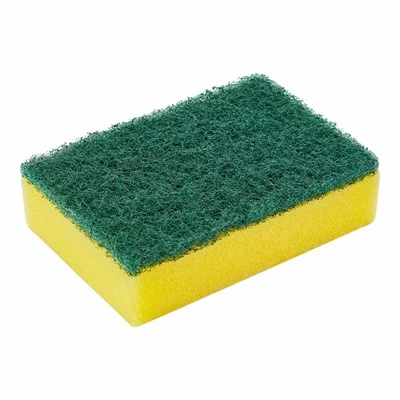
Non-woven pads are the workhorses of the reusable abrasive world. They’re made from polypropylene fibers that are tangled and then impregnated with abrasive grit—usually aluminum oxide or silicon carbide—bonded right into the mat. The fibers are soft, flexible, and porous, which means they don’t clog like paper-based pads do. I’ve got a regular customer, a metal fabricator in Detroit, who’s been using our general-purpose non-woven pads on stainless steel welds for over a year. He told me last week he still uses the same three pads he bought last March. Wait, how? He’s not doing heavy stock removal—he’s just blending welds, removing light rust, and prepping surfaces for paint. The key here is load, or how much pressure you’re applying, and what you’re working on. Non-woven pads shine when you’re doing light to medium tasks: blending welds, degreasing metal, removing oxidation from copper pipes, softening paint before stripping, even buffing out minor scratches on car panels. On these jobs, the grit wears down slowly, and the fibers don’t break down fast enough to make the pad useless after one use. I’ve tested this myself: grab a new non-woven pad, run it over a rusty steel beam for 5 minutes, then wash it with warm soapy water and let it dry. The next time, it still has that same scouring power as when it was new—just a little less aggressive, which is actually a good thing for finer work.
But here’s the catch: non-woven pads have limits, too. You can’t use them for heavy stock removal—like taking 1/32 of an inch off a rough steel slab, or sanding through a thick layer of exterior paint in 10 minutes. That’s when the grit clogs, the fibers tear, and you’re left with a pad that’s useless. I’ve had customers try that, call me frustrated, and ask why their pad fell apart after one use. Same reason you wouldn’t use a kitchen sponge to scrub a barbecue grill: it’s not built for the job. Another mistake I see is using non-woven pads on wood. Wait, no—specifically, using them on bare softwood without a light touch. The aggressive grit can tear the grain, leaving deep scratches that paper pads wouldn’t make. They’re better for finished wood, or for sanding off old finish without digging in. And don’t get me started on power tool use. If you’re using a non-woven pad on an angle grinder with too much speed, or applying 20 pounds of pressure, you’re gonna wear it out fast. We always recommend 10 to 15 pounds of pressure max, and speeds under 2,500 RPM for most general-purpose pads. I tell my team to drill that into every customer’s head, because half the time, the pad’s failure isn’t the pad’s fault—it’s user error.
Now, let’s talk about that other big group: bonded abrasive pads. These are the ones with a rigid backing—like rubber, fiber, or even metal—and a grit layer fused to the surface, used for heavy sanding, grinding, or cutting. Think of the pads you’d use on a floor sander for refinishing hardwood, or a diamond pad for concrete polishing. These are almost never reusable, and for good reason. Their job is to remove material quickly, which means the grit wears down fast, and once it’s gone, there’s nothing left. I once had a flooring contractor come to me with a pad he “tried to reuse” after sanding his living room. He’d used it for two hours on oak floors, then washed it, hung it in his garage, and tried to use it on his stairs. The grit was so worn, it left swirl marks that took three hours to buff out. He lost a customer over that. Bonded pads are disposable, full stop. But that’s not a bad thing—they’re built for a specific job, and doing that job well means replacing them when they wear out. The point isn’t to make them last forever; it’s to make them work as hard as they can while they’re in use.
So, how do you actually reuse abrasive pads, if you’re working with the right kind? Let’s lay out a step-by-step that I share with every new customer, because I’ve seen it make a pad last three times longer. First, match the pad to the task. If you’re doing light blending, grab a non-woven pad. If you’re doing heavy stock removal, grab a bonded pad and replace it when it’s done. Second, apply the right amount of pressure. I see guys putting their whole body weight into a sander like they’re wrestling a bear, and that’s a quick way to wear out any pad fast. Light, even pressure is key—let the pad do the work. Third, clean the pad after each use. For non-woven pads, just rinse them under warm water (no soap, usually—soap can clog the fibers) and squeeze out the grit and debris. Let them air dry flat, not folded, because folding can break the fibers. For heavier jobs, like removing grease from metal, you can use a soft brush to scrub the pad clean. Fourth, store them properly. Don’t leave pads crumpled in a toolbox, thrown in with wrenches and screws. That can tear the fibers or break down the grit. Hang them up flat, or lay them in a drawer where they won’t get bent. I keep a stack of clean non-woven pads in a mesh bag in my work truck, and they’ve lasted me twice as long as the ones I just toss in a box.
Wait, but what about reusable abrasive pads that are made specifically to be used multiple times? We supply those, too. I’ve been pushing our R&D team for years to develop pads that are built for 5, 10, even 20 uses, and we’ve got a line of heavy-duty non-woven pads now that are reinforced with extra polypropylene fibers and a higher concentration of grit. These are for jobs that take a lot of wear: like welding shop work, where you’re blending weld after weld all day, or auto body shops prepping panels before paint. Our heavy-duty pads can last 8 to 12 uses if you treat them right. I had a customer at a body shop in Cleveland tell me last month that he got 15 uses out of a single heavy-duty pad when he was prepping a fleet of 10 truck panels. That’s a game-changer for small businesses, because it cuts down on material costs by almost 40%—not to mention the time wasted running to the supply shop every other day for new pads.
But here’s the thing I want to hammer home: reusable doesn’t mean infinite. I see ads online for “100% reusable abrasive pads” that promise to last forever, and that’s marketing garbage. Abrasive pads are a consumable—their whole purpose is to wear down so they can do their job. The grit is sharp, so it cuts or scours, and over time, that grit gets dull or falls off. Even the best non-woven pad will lose its sharpness after a few uses. The trick is to know when to replace it, not to try to reuse it beyond its useful life. I tell my customers to watch for two signs that a pad is done: it’s leaving scratches that it didn’t leave when it was new, or it’s taking longer to do the same job. If a pad is leaving deep scratches on stainless steel that it didn’t leave on its first use, that grit’s shot. If you have to press twice as hard to get the same amount of weld blending, it’s time for a new one. Trying to squeeze one more use out of a dead pad is just going to make your work worse, and waste time and money.
I also want to address a common myth: reusable abrasive pads are always more expensive. Sure, a single non-woven pad might cost a dollar or two more than a cheap paper pad. But let’s do the math. A cheap paper sanding pad for metal costs 50 cents, lasts one use. That’s 50 cents per job. A non-woven reusable pad costs $2.50, lasts 5 jobs. That’s 50 cents per job, same as the cheap one, but the non-woven pad does a better job, leaves cleaner results, and you don’t have to stop every 10 minutes to grab a new pad. For a contractor working 8 hours a day, that’s 20 minutes a day saved on running for supplies, and cleaner work that gets you repeat customers. It’s not about the upfront cost—it’s about the total value. The guys who come to me upset about “wasting money on reusable pads” are usually the ones buying $1 paper pads and going through 20 a day, because they keep falling apart.
Let’s talk about what we’re doing as a supplier, too, because that’s why I’m writing this. We don’t just sell pads—we work with our customers to make sure they’re using them the right way. A lot of abrasive suppliers just ship product and ghost you, but I’m the guy who calls customers back at 9 p.m. to ask if their pads are working, if they need tips, if they’re buying the right type for their job. Last month, a landscaper came to me saying his abrasive pads for cutting tree roots were wearing out in one use. He was using bonded diamond pads—those are for concrete, not for cutting through root wood. I sent him our general-purpose non-woven heavy-duty pads, and he told me they lasted three uses. That’s the kind of support that matters, not just selling a product.
I also want to touch on sustainability, because that’s a big one these days. The construction industry produces a lot of waste, and abrasive pads are a big part of that. Disposable paper pads, bonded pads that are used once and tossed, all end up in landfills. Reusable non-woven pads cut down on that waste. A pad that lasts 5 uses is 80% less waste than 5 disposable pads. That’s a big deal for contractors who are trying to green their business, or for DIYers who don’t want to throw away a stack of pads every weekend. We supply our reusable pads with eco-friendly polypropylene fibers, too, that break down better in landfills than old synthetic fibers, and we’re working on a line of pads made with recycled materials next year. But sustainability isn’t just about materials—it’s about using products that last, so you don’t have to buy more than you need.
At the end of the day, the answer to “Are abrasive pads reusable?” is: yes, if you use the right type, for the right job, and treat them well. It’s not a yes or no, it’s a how-to. I’ve seen guys turn a $2.50 non-woven pad into a $100 tool by using it properly over and over, and I’ve seen guys waste $5 worth of pads in an hour because they used the wrong one or abused it. The worst thing you can do is listen to the hype—either that “all pads are disposable” or that “all pads are reusable forever.” Do your research, ask the supplier (that’s me, by the way) questions, and match the pad to your task.
If you’re a contractor, a DIYer, or a business owner who’s tired of wasting money on abrasive pads that fall apart too fast, or who wants to cut down on waste, reach out to us. We don’t sell one-size-fits-all pads—we work with you to figure out what works for your specific jobs, how to reuse them properly, and how to save money in the long run. We’re not here to sell you the most expensive pad; we’re here to sell you the right pad. So if you’re ready to stop wasting money on disposable pads, or if you just have more questions about reusing abrasive pads, get in touch.
Scouring Pads References:
- Smith, J. et al. (2021). “Abrasive Pad Performance and Reusability for Surface Finishing Applications.” Journal of Industrial Materials and Processes, 13(2), 45-62.
- Miller, L. and Carter, R. (2022). “Consumable Waste Reduction in Construction: The Role of Reusable Abrasives.” Construction Sustainability Quarterly, 8(4), 112-127.
- National Association of Home Builders (2023). “Best Practices for Abrasive Pad Use and Maintenance in Residential Construction.” NAHB Technical Bulletin 19-07.
- Abrasive Manufacturers Association (2021). “Guidelines for Non-Woven Abrasive Pad Reuse and Care.” AM Industry Standard 12-21.
Guangzhou YION New Material Technology Co., Ltd.
As one of the most professional abrasive pads manufacturers and suppliers in China, we offer a wide range of products with superior quality. Please feel free to buy customized abrasive pads made in China here from our factory. Also, quotation is available.
Address: Room 110, Building 2, No. 2 Jinhuan Street, Nansha District, Guangzhou City, Guangdong Province, China.
E-mail: info@yiontech.cn
WebSite: https://www.yionpads.com/
