Hey everyone, let’s cut to the chase—if you’ve ever shopped for interior wall fiberglass mesh (you know, that stuff that stops cracks from popping up in your drywall a year or two after a renovation), you’ve probably stared at a price tag and thought “wait, that’s all over the place?” I’ve been an interior wall fiberglass mesh supplier for almost 8 years now, and let me tell you, this is one of the most common questions I get from both new DIYers and general contractors. Most people don’t realize there’s no single “one-size-fits-all” price range, so today I’m breaking down exactly what you can expect to pay, why the numbers jump like they do, and what to look for so you don’t overspend or buy junk. Interior Wall Fiberglass Mesh
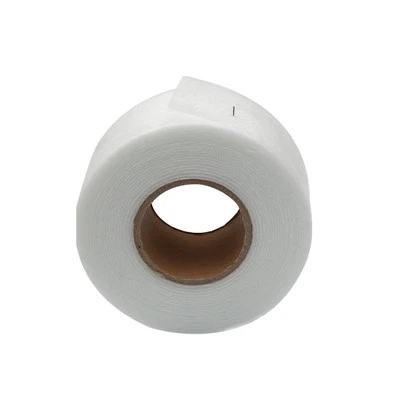
First, let’s get the basics straight—interior wall fiberglass mesh isn’t just the thin, flimsy stuff you might’ve picked up at a big-box store for $2 a roll. There are different grades, different sizes, and it’s sold in all kinds of bundles, so comparing apples to apples is basically impossible unless you’re paying attention to the small details. When a customer messages me going “what’s the average price?” I always start with the lowest end first, because that’s where a lot of people dip their toes in.
The budget tier—let’s call it the “value pick” for small DIY jobs or quick fixes—usually runs from $0.10 to $0.30 per square foot. That’s for the super thin, lightweight mesh, usually made with a basic fiberglass weave that’s pretty loose. You’ll mostly find this in rolls that are 3 feet wide by 150 feet long, so each roll is around $45 to $135, depending on the exact specs. I’ll be real with you: this stuff works for small jobs, like patching a few nail holes around baseboards or fixing a tiny crack that’s less than 2 feet long. But here’s the catch—this thin mesh has a higher chance of tearing as you’re smoothing joint compound over it, and it’s not as good at stopping long-term cracks, especially in high-traffic areas like hallways or living rooms. A lot of my one-time DIY customers go for this at first, but end up messaging me a month later saying they noticed a new crack and need the sturdier stuff.
Next up is the mid-tier, which is the sweet spot for most people—contractors, homeowners doing full room renovations, that’s where we see the most sales. This range is $0.30 to $0.70 per square foot. What makes this different from the budget stuff? The weave is tighter, the fiberglass strands are thicker, and a lot of mid-tier mesh gets treated with a mild acrylic coating that makes it stick way better to joint compound. For reference, a standard 3’ x 150’ roll here runs from $135 to $315. This is the stuff I recommend for most interior jobs: taping drywall seams, repairing medium-sized cracks (up to 10 feet long), reinforcing corners, or prepping a wall for a fresh paint job. It’s durable enough to handle daily wear, doesn’t tear when you’re troweling on compound, and won’t leave that “bubbly” mess you get with cheap mesh. I work with a lot of small local contractors who exclusively buy this tier for their projects because it’s reliable without breaking the bank.
Then there’s the premium tier, which is for when you need heavy-duty reinforcement. This one starts at $0.70 per square foot and can go up to $1.20 per square foot, sometimes even higher for custom-sized rolls or specialty versions. What makes this worth the extra cash? First, the weave is super tight—think 16×16 strands per square inch, compared to 8×8 for budget and 12×12 for mid-tier. It’s also coated with a heavy acrylic or even polymer blend that makes it mold-resistant, which is a big deal for bathrooms or basement interiors where moisture is a tiny concern (even if it’s “interior”). Premium mesh is also UV-resistant, which might not matter for indoor walls, but a lot of people use it for interior exterior-adjacent spaces like entryway foyers or sunrooms. A 3’ x 150’ roll here is $315 to $540, and if you need custom lengths or widths (like for a commercial project with 100+ walls), we can make that too, which might shift the price a bit.
Wait, but hold on—price isn’t just about the tier. There are a bunch of hidden factors that make the cost jump or drop, and I see customers get tripped up on these all the time. Let’s talk about roll size first. If you buy a single small roll at a big-box store, you’re paying a lot more per square foot than if you buy a bulk pack or a full pallet from a supplier like me. For example, buying a single mid-tier roll might cost you $160 at a hardware store, but if you buy a full pallet of 50 rolls from us, that works out to $110 per roll, which is way less per square foot. I always tell people: if you’re doing a whole house or multiple jobs, bulk is the way to go—we even offer delivery for bulk orders within 50 miles, so you don’t have to rent a truck and haul all that mesh yourself.
Another big factor is the coating. Like I mentioned, some mesh is coated to be mold or alkali-resistant (alkali is the stuff in joint compound that can eat away at cheap fiberglass over time, making the mesh useless). Uncoated mesh is usually a few cents cheaper per square foot, but it’s only good for super temporary jobs because the alkali will break it down in 2-3 years. I never recommend uncoated mesh for permanent interior walls, but some contractors use it for temporary construction barriers, so that’s a whole other niche price point we don’t usually advertise.
Then there’s specialty mesh, like self-adhesive fiberglass mesh. That’s for people who don’t want to mess with using joint compound to hold the mesh in place—you just peel and stick it to the wall, then cover it. Self-adhesive mesh runs from $0.40 to $0.90 per square foot, so it’s a little more than standard mid-tier, but it’s way easier for beginners. I’ve had a lot of new homeowners message me saying they tried regular mesh and couldn’t get it to stay while they smoothed compound, so the self-adhesive stuff has been a game-changer for them.
Wait, let’s also talk about what NOT to do when shopping for this stuff. I’ve had customers come to me saying they bought “commercial grade” mesh for $0.05 per square foot at a discount warehouse, and it tore when they tried to use it. That’s not fiberglass mesh—that’s a thin plastic mesh, basically, that doesn’t reinforce walls at all. So always make sure you’re getting actual fiberglass, not a cheaper substitute. Another mistake: buying mesh that’s wider than you need. If you’re patching a 1-foot crack, buying a 3-foot wide roll is just wasting money on extra square footage you’ll never use. Most of the time, mesh comes in standard 3 or 4 foot widths, but if you need a narrower roll for small, tight spaces, we can cut that for you at no extra charge.
Let me wrap this up with a quick cheat sheet so you don’t have to re-read all of this: budget tier is $0.10-$0.30/sq ft for small, quick fixes; mid-tier is $0.30-$0.70/sq ft for 90% of interior wall jobs; premium is $0.70-$1.20/sq ft for heavy-duty or moisture-prone spaces. And remember: buying from a supplier directly (like me, not a middleman or big-box store) almost always saves you 20-30% on average, because we don’t have to mark up for shelf space or multiple layers of distributors.

If you’re not sure which tier you need—whether you’re a DIYer patching a wall or a contractor working on a 10-unit apartment building—hit me up. I can walk you through exactly what specs you need, give you a custom quote, and even send you free samples so you can test the difference between budget and mid-tier mesh before you buy. No pressure, no sales tactics, just honest advice since I’ve been doing this long enough to know how frustrating it is to buy the wrong product and waste time or money.
Fiberglass Tissue References:
- Fiberglass Mesh Institute. (2022). Interior Wall Reinforcement Products: Grade Classification and Cost Benchmarks.
- National Association of Home Builders. (2023). Residential Renovation Material Pricing Report: Drywall Reinforcement.
- Construction Industry Solutions Group. (2021). Specialty Building Materials Cost Guide: Interior Finishes.
Danyang Yonggu Building Materials Co., Ltd.
Danyang Yonggu Building Materials Co., Ltd. is one of the most professional interior wall fiberglass mesh manufacturers and suppliers in China, featured by quality products and good price. Please rest assured to wholesale customized interior wall fiberglass mesh made in China here from our factory.
Address: Danyang City, Jiangsu Province, P.R. China
E-mail: sales02@cnyongu.com
WebSite: https://www.ygfiberglass.com/
