As a supplier of Commercial Grain Mills, I’ve always been fascinated by the intricate relationship between the grinding mechanism of these machines and the final product they produce. In the world of grain processing, the quality, texture, and nutritional value of the end – product are highly dependent on how the grain is ground. Let’s delve into the details of how the grinding mechanism impacts the final product. Commercial Grain Mill
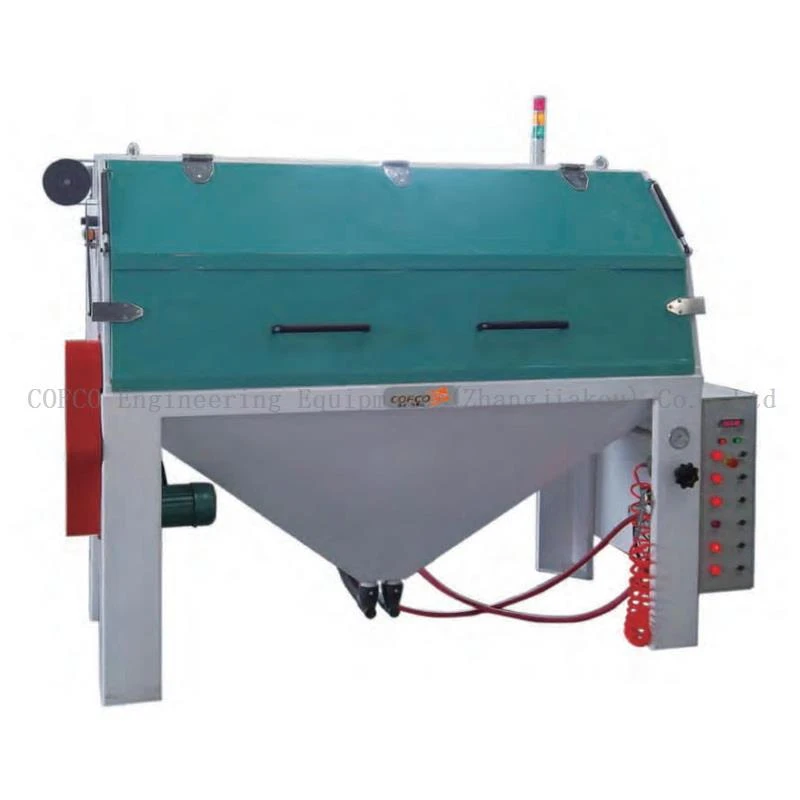
1. Types of Grinding Mechanisms and Their Effects on Particle Size
There are several common grinding mechanisms used in commercial grain mills, each with a distinct impact on the particle size of the final product.
Roller Mills
Roller mills are widely used in commercial grain processing. They work by passing the grain between two or more rotating rollers. The gap between the rollers can be adjusted precisely. When the grain passes through this gap, it is crushed and sheared. The advantage of roller mills is that they can produce a relatively uniform particle size. This is crucial for products like flour, where a consistent particle size ensures even hydration and baking performance. For example, in the production of high – quality bread flour, a roller mill can be set to achieve a specific particle size range that allows for optimal gluten development during the kneading process. A finer particle size obtained from a well – adjusted roller mill will result in a smoother texture in the final baked goods, while a coarser grind can be used for products like whole – grain bread, which benefit from a more rustic texture.
Hammer Mills
Hammer mills operate by using rapidly rotating hammers to impact the grain. The grain is fed into the mill, and the hammers strike it repeatedly until it is small enough to pass through a screen at the bottom of the mill. The screen size determines the final particle size of the product. Hammer mills are capable of producing a wide range of particle sizes, from very fine to relatively coarse. However, compared to roller mills, the particle size distribution in a hammer – milled product is often less uniform. This can be useful in some applications, such as animal feed production, where a more diverse range of particle sizes can be beneficial for the digestive process of animals. For example, in poultry feed, different particle sizes can stimulate the gizzard’s function and improve nutrient absorption.
Stone Mills
Stone mills use two large stones, usually made of granite or limestone. The upper stone rotates against the lower stationary stone, and the grain is fed between them. Stone milling is a slower process compared to roller or hammer mills. It grinds the grain in a more gentle and gradual manner, which helps to preserve the natural oils and nutrients in the grain. The particle size produced by stone mills is generally coarser and more irregular than that of roller mills. This coarser texture gives products like stone – ground flour a distinct flavor and a more rustic appearance. Stone – ground flour is often preferred by artisanal bakers who value the unique taste and nutritional benefits it offers.
2. Impact on Nutritional Value
The grinding mechanism also has a significant impact on the nutritional value of the final product.
Oxidation and Nutrient Loss
In roller mills and hammer mills, the high – speed processing can generate a significant amount of heat. This heat can cause oxidation of the oils present in the grain, leading to a loss of essential fatty acids and other nutrients. For instance, grains like wheat and corn contain natural antioxidants and healthy fats. When these grains are ground at high speeds, the antioxidants are damaged, and the fats start to oxidize, reducing the shelf – life and nutritional quality of the product. In contrast, stone mills operate at a lower speed and generate less heat. This means that the natural oils and nutrients in the grain are better preserved. Stone – ground flour retains more of its vitamins, minerals, and antioxidants, making it a healthier choice for consumers.
Enzyme Activation
Some grains contain enzymes that can affect the nutritional value of the final product. For example, wheat contains enzymes like amylase, which break down starch into sugars. The grinding mechanism can influence the activation of these enzymes. In roller mills, the high – pressure and high – speed grinding can sometimes over – activate these enzymes, leading to an over – breakdown of starch. This can result in a product that is more prone to spoilage and has a shorter shelf – life. Stone mills, on the other hand, provide a more gentle grinding action that allows for a more controlled activation of enzymes. This helps to maintain the balance of nutrients in the grain and ensures a more stable and nutritious final product.
3. Influence on Flavor and Aroma
The flavor and aroma of the final grain product are closely related to the grinding mechanism.
Heat – Generated Flavors
As mentioned earlier, the heat generated during the grinding process in roller and hammer mills can have a significant impact on flavor. When the grain is heated during grinding, it can undergo Maillard reactions, which are chemical reactions between amino acids and reducing sugars. These reactions can produce a range of flavors, from nutty to burnt. In some cases, a certain degree of Maillard reaction can be desirable, such as in the production of brown flours, where a slightly toasted flavor can enhance the overall taste. However, excessive heat can lead to an unpleasant burnt flavor and a loss of the grain’s natural flavor. Stone mills, with their low – heat operation, preserve the natural flavor and aroma of the grain. The gentle grinding process allows the unique flavors of different grains to shine through, resulting in a more authentic and delicious product.
Particle – Size and Flavor Release
The particle size of the ground grain also affects flavor release. Finer particles have a larger surface area, which means that they can release flavor compounds more quickly. In products like flour, a finer grind can result in a more intense flavor in the final baked goods. However, if the grind is too fine, it can also lead to a more one – dimensional flavor. Coarser particles, on the other hand, release flavor more slowly, providing a more complex and long – lasting flavor experience. For example, in a coarse – ground cornmeal used for making cornbread, the larger particles add a pleasant crunch and a more depth of flavor compared to a very fine cornmeal.
4. Considerations for Different End – Products
The choice of grinding mechanism depends on the specific end – product requirements.
Baked Goods
For high – quality baked goods like fine white bread, pastry, and cakes, roller mills are often the preferred choice. The ability to produce a uniform and fine particle size is essential for achieving a smooth texture, good volume, and a soft crumb. Roller – milled flour also allows for better gluten development, which is crucial for the structure of the baked goods. However, for artisanal bread and whole – grain products, stone – milled flour is highly valued for its unique flavor, texture, and nutritional benefits.
Animal Feed
Hammer mills are commonly used in animal feed production. The ability to produce a wide range of particle sizes and the cost – effectiveness of hammer – mill grinding make it suitable for meeting the diverse nutritional and digestive needs of different animals. The less uniform particle size can also stimulate the animal’s digestive system, promoting better nutrient absorption.
Functional Foods
In the production of functional foods, where the preservation of nutrients and bioactive compounds is crucial, stone mills or low – heat roller mills are preferred. These grinding mechanisms can ensure that the beneficial components of the grain, such as antioxidants and dietary fibers, are retained in the final product.
Conclusion and Call to Action
As a supplier of Commercial Grain Mills, I understand the importance of choosing the right grinding mechanism to achieve the desired final product. Whether you are a baker looking for the perfect flour for your pastries, a farmer producing animal feed, or a food manufacturer focused on functional foods, the choice of grinding mechanism can significantly impact the quality, nutritional value, flavor, and overall marketability of your product.
Wheat Roller Mill If you are in the market for a commercial grain mill and want to discuss how the right grinding mechanism can transform your product, I invite you to reach out to me. We can have a detailed conversation about your specific needs, and I can recommend the most suitable grinding solution for your business. Let’s work together to create high – quality grain products that meet the demands of today’s consumers.
References
- Gray, R. (2018). "Principles of Grain Processing." Elsevier.
- Cauvain, S. P., & Young, L. S. (2009). "Bread Making: Improving Quality." Woodhead Publishing.
- Saunderson, C. L. (1991). "Feed Processing Technology." Nottingham University Press.
COFCO Engineering Equipment (Zhangjiakou) Co., Ltd.
As one of the most professional commercial grain mill manufacturers and suppliers in China, we also support customized service. Please feel free to wholesale advanced commercial grain mill for sale here from our factory. Quality products and reasonable price are available.
Address: No.4 ZhongLiang Street, high-tech industrial development zone, Zhangjiakou, Hebei, PRC
E-mail: mayihui@cofco.com
WebSite: https://www.ceeflourmill.com/
