Hey there! I’m a supplier of cold roll forming machines, and I know firsthand that waste in the production process can be a real headache. Not only does it eat into your profits, but it’s also bad for the environment. So, in this blog post, I’m gonna share some tips on how to reduce waste when using a cold roll forming machine. Cold Roll Forming Machine
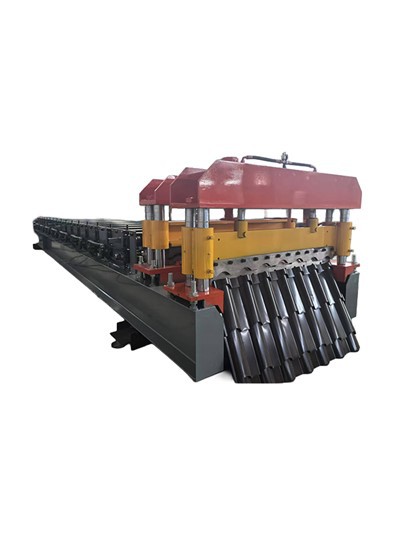
1. Optimize the Design of Products and Tools
First things first, let’s talk about product and tool design. A well – thought – out design can make a huge difference in waste reduction. When designing the products that will be formed by the cold roll forming machine, you need to make sure the shape is as simple as possible without sacrificing quality. Complex shapes often require more material and can lead to extra scrap.
For the tools used in the cold roll forming process, like the rolls, they should be accurately designed and manufactured. If the rolls are not properly shaped or aligned, it can cause uneven forming. This means that parts may not meet the required specifications, resulting in a lot of rejected pieces. Make sure to use advanced CAD/CAM technology to design the tools. This technology allows for precise calculations and simulations, so you can catch any potential problems before cutting the first piece of material.
2. Improve the Quality of Raw Materials
The quality of raw materials is another key factor. Using low – quality materials is like setting yourself up for failure. Inferior materials are more likely to have defects such as cracks, uneven thickness, or inconsistent hardness. When these materials go through the cold roll forming process, they are much more likely to break or deform in an unexpected way, leading to a high rate of waste.
So, always source your raw materials from reliable suppliers. Do some background checks on them, ask for samples, and test the quality before placing a large order. And don’t forget to inspect the raw materials upon arrival. A quick visual inspection can help you spot any obvious defects, and more in – depth testing, like measuring the thickness and hardness, can ensure the materials meet your requirements.
3. Train Your Operators
Your operators play a crucial role in reducing waste. Even the best – designed machine and high – quality materials won’t do much good if the operators don’t know how to use them properly. That’s why it’s essential to provide comprehensive training to your operators.
The training should cover everything from the basic operation of the cold roll forming machine to more advanced troubleshooting skills. They need to know how to set up the machine correctly, adjust the process parameters according to different materials and product requirements, and identify potential issues early on.
For example, operators should be trained to detect abnormal noises or vibrations during the operation. These could be signs of a problem with the machine or the forming process, and if addressed promptly, can prevent a large number of defective products from being produced. Also, teach them how to handle materials carefully to avoid damage.
4. Implement a Preventive Maintenance Program
A well – maintained cold roll forming machine is less likely to produce waste. Implementing a preventive maintenance program is a must. This program should include regular inspections, cleaning, lubrication, and replacement of worn – out parts.
Inspect the machine regularly, at least once a week if it’s in continuous use. Check for loose bolts, worn – out belts, and any signs of damage to the rolls or other components. Cleaning the machine is also important as dirt and debris can affect the performance of the machine and cause uneven forming.
Lubricate the moving parts as recommended by the manufacturer. This helps to reduce friction, which in turn can prevent premature wear of parts and ensure smooth operation. And don’t wait until a part completely fails before replacing it. Keep an inventory of essential spare parts and replace them at the first sign of wear.
5. Use Real – Time Monitoring Systems
Real – time monitoring systems can be a game – changer when it comes to waste reduction. These systems allow you to monitor the key parameters of the cold roll forming process, such as temperature, pressure, and speed, in real – time.
By having this data at your fingertips, you can quickly identify any deviations from the normal process. For example, if the temperature of the rolls suddenly rises, it could indicate a problem with the lubrication or excessive friction. You can then take immediate action to correct the issue before it leads to a large number of defective products.
There are many off – the – shelf real – time monitoring systems available in the market. You can also work with a technology provider to develop a custom – made system that fits your specific needs.
6. Optimize the Production Schedule
The way you schedule your production can also impact waste. Plan your production runs in a way that minimizes the amount of material change – over. Each time you switch to a different type or size of material, there is usually some waste associated with setting up the machine and making adjustments.
Group similar production jobs together. For example, if you have a batch of products that all use the same thickness of material, produce them one after another. This reduces the time and material wasted on machine setup and adjustment between different jobs.
Also, try to accurately forecast the demand for your products. Overproduction can lead to a lot of excess inventory, which may eventually become waste if it can’t be sold. On the other hand, underproduction can lead to missed business opportunities, so finding the right balance is key.
7. Recycle and Reuse Scrap
Even with all the best practices in place, there will still be some scrap generated during the cold roll forming process. But don’t just throw it away! You can recycle and reuse as much of it as possible.
Set up a system for collecting and sorting the scrap. Separate different types of scrap according to their material composition. For example, keep steel scrap separate from aluminum scrap. Then, find a reliable recycling partner who can process the scrap and turn it back into usable materials.
In some cases, you may even be able to reuse the scrap within your own production process. For example, if you have small pieces of scrap that can be used for test runs or as filler materials in other products, put them to good use.
Conclusion

Reducing waste in the production process of a cold roll forming machine is not an easy task, but it’s definitely worth it. By optimizing product and tool design, improving the quality of raw materials, training your operators, implementing a preventive maintenance program, using real – time monitoring systems, optimizing the production schedule, and recycling and reusing scrap, you can significantly cut down on waste, save money, and do your part for the environment.
Stacker If you’re interested in learning more about reducing waste in your cold roll forming operations or are considering purchasing a new cold roll forming machine, I’d love to have a chat with you. Feel free to reach out to me to discuss your specific needs and how we can work together to make your production process more efficient and waste – free.
References
- Smith, J. (2020). "Advanced Cold Roll Forming Technologies." Publication House A.
- Johnson, M. (2021). "Best Practices for Waste Reduction in Metal Forming Processes." Journal of Manufacturing Efficiency, Vol. 15, Issue 2.
- Brown, R. (2019). "Material Quality and Its Impact on Cold Roll Forming." Industrial Metalworking Magazine.
Wuxi Yuanding Machinery Manufacturing Co., Ltd.
Address: Yaguang Industrial Park, No. 88 Chaoyang South Road, Xishan District, Wuxi City, Jiangsu Province
E-mail: 13861798466@163.com
WebSite: https://www.wxyuanding.com/
