If you’ve ever stood in a commercial office building or a multi-family apartment, chances are you’ve never noticed the ductwork running above drop ceilings or behind drywall. But that quiet, unassuming piping is a critical part of every building’s HVAC system—and when a fire breaks out, it can be one of the most dangerous hidden pathways for flames, smoke, and toxic fumes to spread rapidly. As a fire rated duct wrap supplier, I get asked this question constantly: how does this material actually work, and why isn’t regular fiberglass or foam insulation enough to keep ductwork and surrounding spaces safe during a fire? Fire Rated Duct Wrap

For years, I too took the “it stops fire” claim at face value, until a client called me after a routine inspection uncovered a gap in their old duct system. They’d skipped replacing their outdated duct wrap in a 10-year-old retail space, and a local inspector flagged that the original material couldn’t meet modern fire codes. That conversation pushed me to dive deep into the science behind duct wrap, not just to understand our products, but to explain it clearly to building owners, contractors, and inspectors who need to make safe, compliant choices.
Let’s start with the problem duct wrap is designed to solve, because that’s where its purpose becomes clear. Ductwork, usually made of galvanized steel or aluminum, is thin—no thicker than a few millimeters in most commercial and residential systems. When exposed to high heat from a nearby fire, unprotected metal ductwork can lose its structural integrity in as little as 15 to 30 minutes. That means the duct might buckle, crack, or even melt, breaking open the space where it carries conditioned air. Even before the metal fails, the duct can act as a chimney, pulling smoke and fire gases from one floor to another through vertical shafts or across open office spaces through horizontal runs. Regular insulation, whether fiberglass batt spray or foam panels, is designed to slow temperature changes, not resist flames. Most standard insulation materials will ignite, melt, or release toxic fumes when exposed to sustained high heat, which can actually add fuel to a fire rather than stopping it.
Now, how does fire rated duct wrap differ? The most effective products in our inventory and on the market use a multi-layered composition engineered specifically for duct applications, not generic fireproofing. Let’s break down each layer and what it does during a fire. First, the core is almost always a ceramic fiber or mineral wool matrix. These are inorganic materials, meaning they don’t contain any organic compounds that will burn. Ceramic fibers, for example, are made by melting aluminum silicate at extremely high temperatures (over 2,000°F) and spinning it into fine, lightweight strands. That makes them heat-resistant up to 2,300°F, which is well above the typical 1,700°F to 2,000°F heat generated by most structural fires. The mineral wool in many duct wraps works similarly, but it has a slightly higher density, which adds to its structural strength when heated.
But the core alone isn’t enough. Every fire rated duct wrap we supply includes a intumescent coating on one or both sides. Intumescent materials are the unsung heroes of this product—they’re designed to react when exposed to heat, in a process that literally transforms the wrap’s structure. When temperatures hit a certain threshold (usually between 200°F and 500°F, well before the duct metal starts to weaken), the intumescent coating swells, expands, and forms a rigid, carbonized char. That char isn’t flammable; it acts as a heat barrier, slowing the transfer of heat from the fire side to the duct metal, and also sealing any gaps in the wrap. Without this intumescent layer, the basic inorganic core would insulate briefly, but the heat would still penetrate the duct metal quickly, leading to structural failure.
Wait, you might be wondering—isn’t regular paint or a simple fire retardant enough for that layer? The short answer is no. Generic fire retardants often leach or break down over time, especially when exposed to the temperature swings from HVAC use. Intumescent coatings for duct wraps are formulated to adhere tightly to the ceramic or mineral core, resisting moisture, vibration from duct fans, and thermal cycling for the product’s entire lifespan (usually 15 to 20 years, per most building codes). They also don’t release toxic fumes when they react, which is a key point for building occupants—while the wrap is working to stop the fire, it can’t add to the air pollution that makes fires deadly.
The final layer in most fire rated duct wraps is a facing material, often a foil or glass scrim. This facing does a few important jobs that keep the wrap working between fires, too. First, it seals the porous core of the wrap, preventing moisture from seeping in. Moisture can degrade ceramic fibers over time, reducing their heat resistance, or cause mineral wool to clump, which leaves gaps in the wrap that fire can penetrate. Second, the facing provides a smooth, airtight surface that’s compatible with duct sealing mastic—contractors use mastic to seal the seams between wrap sections, so the facing ensures the mastic adheres properly, creating a continuous barrier instead of a series of gaps.
To put this to the test, let’s walk through a real-world scenario, not just a lab test. Imagine a small grease fire in a commercial kitchen’s exhaust duct—one of the most common places for duct fires to start, since grease is highly flammable. The grease fire sends flames and heat up the duct, hitting the fire rated wrap installed around the duct. First, the ceramic core absorbs most of the initial heat, keeping the outside surface of the wrap (the side facing the ceiling or wall) cool enough that it won’t ignite surrounding materials. Then, as the heat rises, the intumescent coating swells into a char, which doubles the wrap’s thickness in a matter of seconds. This char acts as an even better insulator, slowing the heat transfer to the steel duct. Instead of the duct metal heating up to 1,800°F and buckling in 20 minutes, it only reaches 1,200°F after an hour—far below the threshold for structural failure. During that time, the wrap also blocks the smoke from the kitchen duct from seeping into the rest of the building, preventing the fire from spreading through the ductwork to the office spaces above.
That’s not just a hypothetical. I worked with a restaurant owner last year whose old duct wrap failed exactly this way: they had installed a generic fiberglass wrap, not fire rated, and when a grease fire ignited in their exhaust duct, the fiberglass melted, allowing the duct metal to buckle in 22 minutes. The fire spread through the duct into the ceiling cavity, causing $80,000 in damage and displacing their staff for three weeks. The replacement we installed that week met the 2-hour fire resistance rating required for commercial kitchen ducts, and their inspector approved it immediately. That story is why I don’t just sell duct wrap—I explain every component and how it works, because building owners don’t just need a product; they need to understand why it matters for their space.
There are a few common myths I hear all the time that are worth clearing up, too. First, some people think fire rated duct wrap is only for commercial buildings, but that’s not true—many multi-family apartments and large residential spaces (like attached retail-residential structures) require it for supply and return ducts that run through common areas. Another myth is that all duct wraps with a “fire rated” label are the same. That’s a risky assumption. We test every wrap we supply to meet ASTM E119 (the standard fire test for building materials) and local code requirements, but some cheaper alternatives only meet lower, 1-hour ratings when 2-hour ratings are required for vertical ducts or kitchen exhaust. Always check the rating and the test standards a product meets—our products are third-party tested to ensure they perform as advertised, which is non-negotiable for us.
Another key point about how fire rated duct wrap works: it’s not just about resisting fire, it’s about maintaining its integrity over its lifecycle. Even the best wrap won’t work if it’s damaged. That’s why we recommend our clients inspect their duct wrap every 5 years, looking for tears, moisture buildup, or areas where the facing has peeled away. Small tears can be patched with matching fire rated tape, and moisture can be fixed by addressing any leaks in the duct system or around the ceiling cavity. This regular maintenance ensures the wrap’s layers stay intact, so the intumescent coating and ceramic core can work as designed if a fire ever occurs.
As a supplier, I also work closely with contractors to make installation clear, because even the best product fails if it’s installed wrong. For example, ducts must be fully wrapped with no gaps at seams or joints, and the wrap must extend at least 18 inches past any fire-rated wall penetration—this is required to prevent fire from seeping around the wrap through the gap where the duct meets the wall. Contractors sometimes cut corners here, but that’s exactly what leads to failed inspections and dangerous gaps in the fire barrier. We provide step-by-step installation guides for every product, and our team is available to walk through site-specific questions, whether it’s a small retail space or a 20-story office building.
The science behind fire rated duct wrap is straightforward once you break it down: inorganic core materials resist burning, intumescent coating creates a heat-blocking char when exposed to fire, and a protective facing ensures the wrap lasts for its intended lifespan. It’s a product that works quietly, 365 days a year, without anyone noticing it—until it needs to. For building owners, that peace of mind is worth the investment, not just to meet code, but to protect their property, their staff, and the people who use their space.
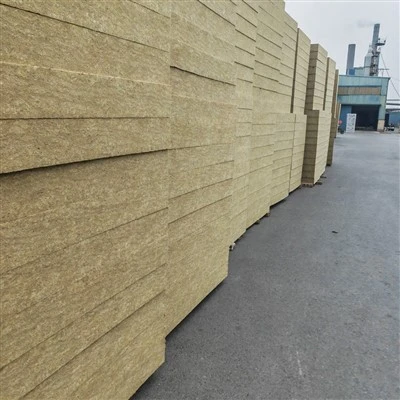
If you’re updating a commercial HVAC system, inspecting duct fire barriers, or replacing outdated wrap to meet new local fire codes, I’m here to walk through your specific needs and help you find the right fire rated duct wrap solution. Reach out to our team to discuss your project, ask questions about installation requirements, or learn more about the testing that goes into every product we supply.
Glass Wool Insulation References
ASTM International. ASTM E119-23, Standard Test Methods for Fire Tests of Building Construction and Materials. ASTM International, 2023.
National Fire Protection Association. NFPA 90A-2024, Standard for the Installation of Air-Conditioning and Ventilating Systems. National Fire Protection Association, 2024.
Underwriters Laboratories. UL 181B-Footnote, Standard for Flexible Duct and Duct Connectors. Underwriters Laboratories, 2022.
Manufacturers Standardization Society of the Valve and Fitting Industry. MSS SP-58-2021, Duct Systems. Manufacturers Standardization Society, 2021.
Langfang Yafeng Energy-Saving Technology Co., Ltd.
As one of the most professional fire rated duct wrap manufacturers and suppliers in China, we’re featured by quality products and good price. Please rest assured to buy bulk premium fire rated duct wrap for sale here from our factory. Welcome to view our website for more information.
Address: Langfang Xinyafeng, Liugezhuang Town, Dacheng County, Langfang City, Hebei Province
E-mail: yafengbaowen@gmail.com
WebSite: https://www.xyfinsulation.com/
