As a ferro manganese supplier, I’ve been in the thick of this industry for quite a while. Over the years, I’ve learned a thing or two about the best practices for ferro manganese production. In this blog, I’m gonna share these insights with y’all, so if you’re involved in the business or just curious, stick around. Ferro Manganese
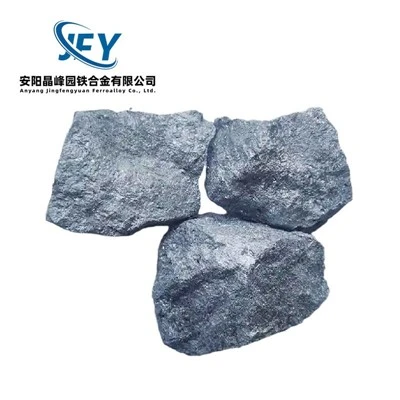
1. Raw Material Selection
The first and most crucial step in ferro manganese production is picking the right raw materials. You see, the quality of what goes in directly affects what comes out. For manganese ore, we need to look at its manganese content, of course. A high – grade ore with a good percentage of manganese reduces the amount of waste and makes the smelting process more efficient. But it’s not just about the manganese. We also gotta consider impurities like iron, silica, and phosphorous. High levels of these can mess up the final product’s quality and increase production costs.
We usually source our manganese ore from established mines with a reputation for quality. We also do our own testing before using any new supply. This way, we know exactly what we’re working with and can adjust our production process accordingly.
Coal or coke is another important raw material. It serves as a reducing agent during smelting. The choice of coal depends on its carbon content, volatile matter, and ash content. A coal with a high carbon content and low ash content is ideal, as it provides more energy for the reduction reaction and leaves less residue.
2. Smelting Process
The smelting process is the heart of ferro manganese production. There are two main methods: the blast furnace method and the submerged arc furnace method.
The blast furnace method is an old – school but still effective way. It uses a blast of hot air to react with the raw materials. The high – temperature environment in the blast furnace helps break down the manganese ore and reduce the manganese oxide to metal. But this method has its drawbacks. It requires high – quality coke, and it can generate a lot of waste gases.
On the other hand, the submerged arc furnace method is more commonly used these days. In this method, electrodes are submerged in the furnace charge, and the heat is generated by the electric arc. This method is more energy – efficient and produces less pollution. It also allows for better control of the smelting conditions, such as temperature and chemical reactions.
In our production, we mainly use the submerged arc furnace method. We closely monitor the temperature, power input, and chemical composition of the furnace charge. By adjusting these parameters, we can ensure a high – quality ferro manganese product.
3. Quality Control
Quality control is like the guardrails on a highway during ferro manganese production. It keeps everything on track and helps us deliver a product that meets the customers’ expectations.
We implement a multi – step quality control system. First, during the raw material stage, we do regular chemical analyses to make sure the ore and other materials meet our standards. Then, in the smelting process, we continuously monitor the temperature, alloy composition, and other key parameters. We use advanced sensors and control systems to detect any abnormalities early on.
After the smelting is done, we take samples from each batch of ferro manganese. These samples go through a series of tests, including chemical analysis, physical property tests (like hardness and density), and metallographic analysis. Only when the product passes all these tests can it be shipped out.
4. Environmental Considerations
In today’s world, environmental protection is not just a buzzword; it’s a must – do. Ferro manganese production can generate a significant amount of waste gases, dust, and solid residues. So, we’ve got to take steps to minimize our environmental impact.
One of the key things we do is install dust collection systems. These systems capture the dust generated during the smelting process and prevent it from being released into the atmosphere. We also treat the waste gases before discharging them. By using gas purification technology, we can remove harmful substances like sulfur dioxide and nitrogen oxides.
For the solid residues, we’re constantly looking for ways to reuse or recycle them. Some of the slag generated during smelting can be used in the construction industry, for example. This not only reduces waste but also creates some additional economic value.
5. Employee Training and Safety
Our employees are the ones on the front line of production, so their skills and safety are super important. We provide regular training programs to keep our workers up – to – date with the latest production techniques and quality control methods.
We also prioritize safety. The ferro manganese production environment can be dangerous, with high temperatures, heavy machinery, and potentially harmful chemicals. That’s why we’ve established strict safety protocols. All employees are required to wear appropriate safety gear, such as heat – resistant clothing, helmets, and goggles. We also conduct regular safety inspections to identify and eliminate potential hazards.
6. Cost Management
In the business world, cost management is always a hot topic. In ferro manganese production, there are several ways we can cut costs without sacrificing quality.
First, we optimize our raw material procurement. By building long – term relationships with reliable suppliers, we can often get better prices. We also keep an eye on the market prices of raw materials and make timely purchases to take advantage of price fluctuations.
Energy consumption is another major cost factor. We invest in energy – efficient equipment and technologies to reduce power consumption during the smelting process. For example, using advanced transformers and efficient electric arc furnaces can significantly lower energy costs.
7. Research and Development
The ferro manganese industry is constantly evolving, so we can’t just sit back and rest on our laurels. We need to invest in research and development (R&D) to stay competitive.
We’re always looking for new ways to improve our production process. This could involve finding more efficient reducing agents, developing better smelting techniques, or enhancing the quality control methods. We also collaborate with research institutions and other industry players to share knowledge and resources.
By staying at the forefront of technological innovation, we can produce higher – quality ferro manganese products at a lower cost, which is a win – win for us and our customers.
Conclusion
Well, there you have it, folks! These are some of the best practices for ferro manganese production that I’ve learned over the years. From raw material selection to R&D, every step plays a crucial role in producing a top – notch ferro manganese product.
Alloy If you’re in the market for high – quality ferro manganese, I’d love to talk to you. Whether you’re a small – scale manufacturer or a large industrial player, we’ve got the expertise and the products to meet your needs. Get in touch with us, and let’s start a conversation about how we can work together to take your business to the next level!
References
- "Handbook of Ferroalloys", various industry experts
- "Ferroalloy Production Technology" journals, multiple research articles on ferroalloy processes
Anyang Jingfengyuan Ferroalloy Co., Ltd.
As one of the most professional ferro manganese manufacturers and suppliers in China, we’re featured by quality products and good price. Please rest assured to buy bulk ferro manganese in stock here and get quotation from our factory. We also accept customized orders.
Address: Longquan Town Industrial Park, Long’an District, Anyang City, Henan Province
E-mail: Jingfengyuan@jfyferroalloys.com
WebSite: https://www.jfy-ferroalloy.com/
