As a supplier of other sewage treatment equipment, I understand the critical role that proper monitoring plays in the efficient and effective operation of sewage treatment systems. Monitoring is not just a routine task; it is a fundamental aspect of ensuring that our equipment functions optimally, meets environmental standards, and contributes to a sustainable future. In this blog, I will delve into the monitoring requirements for other sewage treatment equipment, highlighting the key parameters, methods, and the importance of continuous oversight. Other Sewage Treatment Equipment

Key Parameters for Monitoring
1. Physical Parameters
Physical parameters such as flow rate, pressure, and temperature are essential indicators of the equipment’s performance. Flow rate, for example, helps in determining the volume of sewage being treated and ensures that the equipment is not overloaded or underutilized. Monitoring the flow rate can also detect any blockages or leaks in the system, which could lead to inefficiencies or even system failures.
Pressure is another crucial physical parameter, especially in systems that rely on pumps and pipes to transport sewage. Abnormal pressure readings can indicate issues such as clogged filters, worn-out pumps, or pipe failures. By continuously monitoring pressure, we can identify potential problems early and take corrective actions before they escalate.
Temperature can have a significant impact on the biological processes involved in sewage treatment. Most biological treatment methods rely on specific temperature ranges for the growth and activity of microorganisms. Monitoring the temperature helps in maintaining the optimal conditions for these microorganisms, ensuring the effective breakdown of organic matter in the sewage.
2. Chemical Parameters
Chemical parameters provide valuable insights into the quality of the sewage and the effectiveness of the treatment process. pH levels, for instance, can affect the activity of microorganisms and the solubility of various pollutants in the sewage. Maintaining the proper pH range is crucial for the efficient operation of biological treatment systems.
Dissolved oxygen (DO) is another critical chemical parameter, especially in aerobic treatment processes. Aerobic microorganisms require oxygen to break down organic matter in the sewage. Monitoring the DO levels ensures that there is enough oxygen available for these microorganisms to carry out their functions effectively. Low DO levels can lead to the growth of anaerobic bacteria, which can produce unpleasant odors and reduce the efficiency of the treatment process.
Other important chemical parameters include chemical oxygen demand (COD), biochemical oxygen demand (BOD), and total suspended solids (TSS). These parameters measure the amount of organic and inorganic pollutants in the sewage and help in evaluating the treatment efficiency. By regularly monitoring these parameters, we can determine if the treatment process is achieving the desired results and make adjustments as needed.
3. Biological Parameters
Biological parameters are used to assess the activity and health of the microorganisms involved in the sewage treatment process. Microbiological analysis can provide information about the types and concentrations of microorganisms present in the sewage, as well as their metabolic activity.
One of the key biological parameters is the sludge volume index (SVI), which measures the settling characteristics of the activated sludge in a biological treatment system. A high SVI value indicates poor settling, which can lead to problems such as sludge carryover and reduced treatment efficiency. Monitoring the SVI helps in identifying and addressing issues related to sludge bulking or poor sludge quality.
Another important biological parameter is the specific oxygen uptake rate (SOUR), which measures the rate at which microorganisms consume oxygen. The SOUR can be used to evaluate the activity and health of the microorganisms in the system and to determine if the treatment process is operating under optimal conditions.
Monitoring Methods
1. Online Sensors
Online sensors are widely used in sewage treatment plants to continuously monitor various parameters. These sensors are installed directly in the sewage stream or in specific treatment units and provide real-time data on the monitored parameters. Online sensors can measure physical parameters such as flow rate, pressure, and temperature, as well as chemical parameters such as pH, DO, and COD.
The use of online sensors offers several advantages, including continuous monitoring, immediate feedback, and the ability to detect sudden changes in the parameters. This allows for timely intervention and corrective actions, reducing the risk of system failures and ensuring the consistent performance of the treatment equipment.
2. Laboratory Analysis
Laboratory analysis is an essential component of sewage treatment monitoring. It provides more accurate and detailed information about the quality of the sewage and the treatment efficiency. Laboratory analysis can be used to measure a wide range of parameters, including chemical and biological parameters that may not be easily measured using online sensors.
Samples of sewage are collected at various points in the treatment process and analyzed in a laboratory using standardized methods. The results of the laboratory analysis are used to validate the data obtained from online sensors, to identify trends and patterns over time, and to make informed decisions about the operation and maintenance of the treatment equipment.
3. Visual Inspection
Visual inspection is a simple but effective method of monitoring sewage treatment equipment. It involves visually checking the equipment for any signs of damage, wear, or malfunction. Visual inspection can be used to detect leaks, rust, corrosion, and other physical defects that may affect the performance of the equipment.
Regular visual inspections should be carried out by trained personnel to ensure that the equipment is in good working condition. Any issues identified during the visual inspection should be addressed promptly to prevent further damage and ensure the safe and efficient operation of the treatment system.
Importance of Continuous Monitoring
1. Ensuring Treatment Efficiency
Continuous monitoring of sewage treatment equipment is essential for ensuring the efficiency of the treatment process. By regularly monitoring the key parameters, we can detect any deviations from the optimal operating conditions and take corrective actions in a timely manner. This helps in maintaining the effectiveness of the treatment process, reducing the amount of pollutants discharged into the environment, and ensuring compliance with environmental regulations.
2. Preventing System Failures
Monitoring the performance of sewage treatment equipment can help in identifying potential problems before they lead to system failures. By detecting early signs of wear, damage, or malfunction, we can schedule preventive maintenance and repairs, reducing the risk of unexpected breakdowns and minimizing downtime. This not only helps in saving costs associated with repairs and replacements but also ensures the continuity of the treatment process.
3. Protecting the Environment
Proper monitoring of sewage treatment equipment is crucial for protecting the environment. By ensuring that the treatment process is operating effectively, we can reduce the amount of pollutants, such as organic matter, nutrients, and pathogens, discharged into water bodies. This helps in preventing water pollution, protecting aquatic ecosystems, and ensuring the availability of clean water for drinking, irrigation, and other uses.
4. Meeting Regulatory Requirements
Sewage treatment plants are subject to various environmental regulations and standards. Continuous monitoring of the treatment equipment is necessary to demonstrate compliance with these regulations. By maintaining accurate records of the monitored parameters and providing regular reports to the regulatory authorities, we can ensure that our treatment plants meet the required standards and avoid potential fines and penalties.
Conclusion
In conclusion, monitoring is an integral part of the operation and management of other sewage treatment equipment. By monitoring the key physical, chemical, and biological parameters, using appropriate monitoring methods, and maintaining continuous oversight, we can ensure the efficient and effective operation of the treatment system, prevent system failures, protect the environment, and meet regulatory requirements.
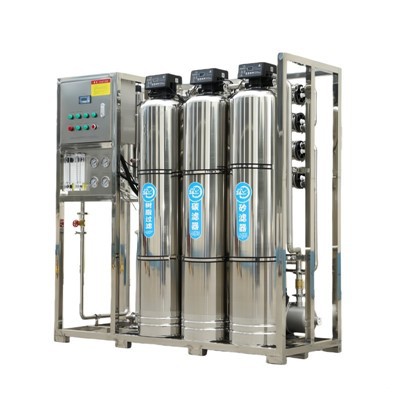
As a supplier of other sewage treatment equipment, we are committed to providing our customers with high-quality equipment and comprehensive monitoring solutions. Our equipment is designed to meet the latest industry standards and is equipped with advanced monitoring sensors and control systems to ensure optimal performance. We also offer training and support services to help our customers understand and implement the monitoring requirements for their sewage treatment systems.
Packaged Sewage Treatment Plant If you are interested in learning more about our other sewage treatment equipment or the monitoring requirements for your specific application, please do not hesitate to contact us. Our team of experts is ready to assist you in choosing the right equipment and developing a customized monitoring plan to meet your needs. Together, we can contribute to a cleaner and more sustainable environment.
References
- Metcalf & Eddy, Wastewater Engineering: Treatment and Resource Recovery, 5th Edition.
- Water Environment Federation, Manual of Practice No. 8, Wastewater Treatment Plant Design, 4th Edition.
- United States Environmental Protection Agency, National Pollutant Discharge Elimination System (NPDES) Program.
Shandong Lingke Environmental Technology Co., Ltd.
We’re well-known as one of the leading sewage treatment equipment manufacturers and suppliers in China, featured by quality products and good price. Please rest assured to buy durable sewage treatment equipment for sale here from our factory. Customized orders are welcome.
Address: 100 Meters South of the Intersection of County Road 042 and National Highway 309, Changle County, Weifang City, Shandong Province
E-mail: aileenlin@sdlingkegroup.com
WebSite: https://www.lkecotech.com/
