Troubleshooting a transformer oil tank is a critical process that requires a systematic approach to ensure the safe and efficient operation of the transformer. As a supplier of transformer oil tanks, I have witnessed firsthand the importance of proper troubleshooting techniques in maintaining the integrity of these essential components. In this blog post, I will share some insights on how to troubleshoot a transformer oil tank effectively. Transformer Oil Tank
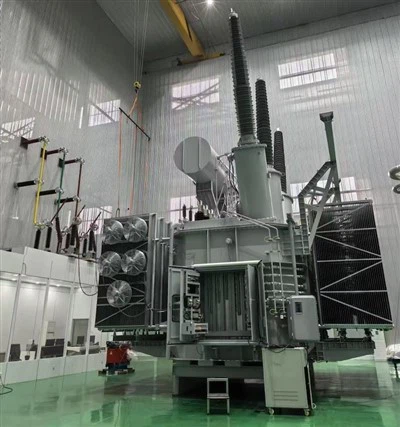
Understanding the Basics of a Transformer Oil Tank
Before delving into the troubleshooting process, it is essential to have a basic understanding of the transformer oil tank and its functions. A transformer oil tank is a container that holds the insulating oil used in a transformer. The oil serves several purposes, including insulation, cooling, and arc quenching. The tank is designed to protect the oil from contamination and to provide a safe environment for the transformer to operate.
Common Issues with Transformer Oil Tanks
There are several common issues that can occur with transformer oil tanks. These issues can range from minor problems, such as leaks, to more serious issues, such as overheating or electrical faults. Some of the most common issues include:
- Leaks: Leaks can occur due to a variety of reasons, including corrosion, damage to the tank, or improper installation. Leaks can lead to a loss of oil, which can affect the performance of the transformer and pose a safety hazard.
- Overheating: Overheating can occur due to a variety of reasons, including excessive load, poor ventilation, or a malfunctioning cooling system. Overheating can cause the oil to break down, which can lead to insulation failure and other serious problems.
- Electrical faults: Electrical faults can occur due to a variety of reasons, including short circuits, grounding issues, or insulation breakdown. Electrical faults can cause the transformer to trip, which can disrupt the power supply and cause damage to the equipment.
- Contamination: Contamination can occur due to a variety of reasons, including dirt, moisture, or other foreign substances. Contamination can affect the performance of the oil and can lead to insulation failure and other serious problems.
Troubleshooting a Transformer Oil Tank
When troubleshooting a transformer oil tank, it is important to follow a systematic approach to ensure that all potential issues are identified and addressed. The following steps can be used to troubleshoot a transformer oil tank:
Step 1: Visual Inspection
The first step in troubleshooting a transformer oil tank is to conduct a visual inspection. This involves inspecting the tank for any signs of damage, such as cracks, leaks, or corrosion. It is also important to check the oil level and the condition of the oil. If the oil level is low, it may indicate a leak, and if the oil appears cloudy or has a strange odor, it may indicate contamination.
Step 2: Check the Temperature
The next step is to check the temperature of the transformer oil tank. This can be done using a thermometer or a thermal imaging camera. If the temperature is higher than normal, it may indicate overheating, which can be caused by a variety of factors, such as excessive load, poor ventilation, or a malfunctioning cooling system.
Step 3: Check the Electrical Connections
The electrical connections in the transformer oil tank should also be checked to ensure that they are tight and secure. Loose or corroded connections can cause electrical faults, which can lead to the transformer tripping or other serious problems.
Step 4: Check the Oil Quality
The quality of the transformer oil should also be checked to ensure that it is within the recommended specifications. This can be done by taking a sample of the oil and sending it to a laboratory for analysis. The analysis will provide information on the oil’s dielectric strength, moisture content, and other important properties.
Step 5: Check the Cooling System
The cooling system in the transformer oil tank should also be checked to ensure that it is functioning properly. This includes checking the fans, pumps, and radiators to ensure that they are working correctly. If the cooling system is not functioning properly, it can cause the transformer to overheat, which can lead to insulation failure and other serious problems.
Step 6: Check for Leaks
Finally, the transformer oil tank should be checked for leaks. This can be done by inspecting the tank for any signs of oil leakage, such as wet spots or stains. If a leak is detected, it should be repaired immediately to prevent further damage to the transformer.
Preventive Maintenance
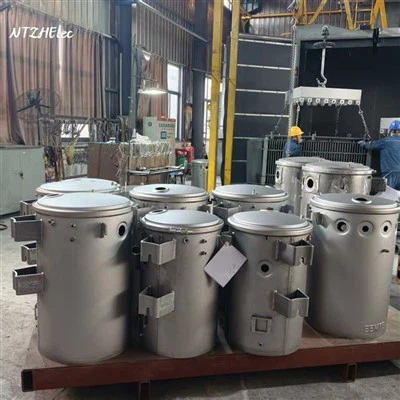
In addition to troubleshooting, it is also important to perform preventive maintenance on the transformer oil tank to ensure its long-term reliability and performance. Some of the preventive maintenance measures that can be taken include:
- Regular Inspections: Regular inspections should be conducted to check for any signs of damage or wear. This includes inspecting the tank, the oil, and the electrical connections.
- Oil Sampling and Analysis: Regular oil sampling and analysis should be conducted to monitor the quality of the oil and to detect any potential problems early.
- Cooling System Maintenance: The cooling system should be maintained regularly to ensure that it is functioning properly. This includes cleaning the fans, pumps, and radiators, and checking the coolant levels.
- Electrical System Maintenance: The electrical system should be maintained regularly to ensure that it is functioning properly. This includes checking the electrical connections, the insulation, and the grounding.
Conclusion
Power Transformer Oil Tank Troubleshooting a transformer oil tank is a critical process that requires a systematic approach to ensure the safe and efficient operation of the transformer. By following the steps outlined in this blog post, you can identify and address any potential issues with the transformer oil tank and ensure its long-term reliability and performance. If you have any questions or need further assistance with troubleshooting a transformer oil tank, please do not hesitate to contact us. We are a leading supplier of transformer oil tanks and can provide you with the expertise and support you need to keep your transformers running smoothly.
References
- IEEE Standard C57.106-2006, Guide for Acceptance and Maintenance of Insulating Oil in Equipment
- ANSI/ASTM D3487-17, Standard Specification for Mineral Insulating Oil Used in Electrical Apparatus
- IEC 60422:2013, Mineral insulating oils – Supervision and maintenance in service
Nantong Zhihe Electric Co., Ltd.
As one of the most professional transformer oil tank manufacturers and suppliers in China, we’re featured by quality products and low price. Please rest assured to wholesale cheap transformer oil tank made in China here from our factory. Customized orders are welcome.
Address: NO.202 Jianghai West Road,Hai’an Town,Hai’an City,Jiangsu Province
E-mail: colt.ntzh@gmail.com
WebSite: https://www.ntzhelectric.com/
