Hey everyone, let’s cut to the chase: if you’re running a water disinfection equipment shop (or just a homeowner who’s ever wrinkled their nose at tap water’s chemical tang), you’ve probably wondered—does our gear actually lower the chlorine in your tap water? Spoiler: it’s not a one-size-fits-all answer, and as someone who’s spent 8 years selling, installing, and troubleshooting this exact stuff, I’ve seen way too many people mix up “water disinfection” with “chlorine removal” and vice versa. Let’s break this down like we’re chatting over coffee, no jargon, no fluff. Water Disinfection Equipment
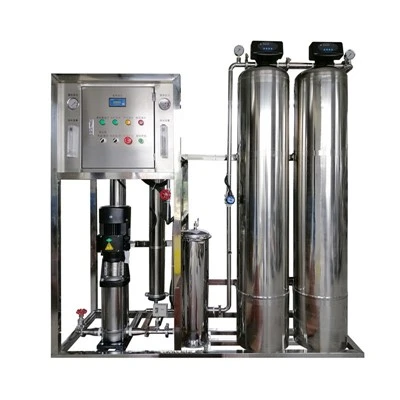
First, let’s get what chlorine is here straight. Municipalities add chlorine (or chloramine, which is a chlorine-ammonia mix, important distinction) to tap water to kill gross stuff like E. coli, giardia, and other pathogens that make you sick. It’s non-negotiable for public water safety—no chlorine = no tap water you can safely drink straight from the faucet, that’s a fact. But here’s the thing: residual chlorine (the stuff left after treatment) is what gives tap water that “pool water” smell, makes your coffee taste off, and even dries out your skin and hair if you shower in it long enough. So the question isn’t “does chlorine need to be there?” it’s “how much of it can we legally/ safely remove without breaking the water?”
Now, what do water disinfection equipment actually do? Wait, hold on—“water disinfection” isn’t just “kill germs.” It’s any process that makes water safe to use by eliminating harmful contaminants. Our gear (we deal with four main types for residential and small commercial use here) targets different stuff, and only some of them touch chlorine. Let’s go through them one by one, because this is where most people get confused:
-
Reverse Osmosis (RO) Systems: These are the big under-sink units everyone loves for drinking water. RO pushes water through a membrane with tiny pores (like 0.0001 microns) that blocks almost everything—dissolved solids, heavy metals, and even chlorine molecules. Wait, but how much? Typically, a good RO membrane will remove 90-98% of free chlorine, and about 80% of chloramine (since chloramine is bigger, but still gets caught). But here’s the catch: RO systems don’t do anything to the rest of your house’s water—they only treat the water that goes to your tap. So if you want chlorine out of your shower water or your fridge’s ice maker, RO won’t cut it. Also, RO wastes water (like 3-4 gallons down the drain for every 1 gallon of clean water) so it’s not great for whole-house use.
-
UV Purifiers: This is the other big “disinfection” gear. UV uses ultraviolet light to zap pathogens (bacteria, viruses, cysts) so they can’t reproduce. But here’s the key: UV does NOT touch chlorine. Zero. Nada. It’s great for killing the bad stuff that chlorine is supposed to kill, but if your water smells like chlorine, a UV unit alone won’t fix that. I’ve had customers come to me before, convinced a UV system will make their tap water taste better, only to be bummed when it still smells like a public pool. It’s important to match what you need: if your problem is microbial safety, UV works. If it’s chlorine taste/ smell, UV is useless.
-
Activated Carbon Filters: This is where we, as equipment suppliers, see the most action when customers want chlorine removed. Activated carbon (usually made from coconut shells these days, because it’s more porous) traps and adsorbs chlorine molecules onto its surface. How much? A high-quality carbon block filter (not the cheap, loose carbon cartridges you buy at the grocery store for $10) will remove 95-99% of free chlorine. For chloramine, it’s a bit less—usually 50-70%—but that’s better than nothing. Now, carbon filters come in two main types: point-of-use (like under-sink filters for drinking) and point-of-entry (whole-house filters that treat every tap in your home). Whole-house carbon systems are the go-to for people who hate chlorine in their showers—they don’t dry out your skin, your hair doesn’t get that chlorine smell after a wash, and your laundry doesn’t get faded from chlorine exposure. But again, cheap carbon filters will barely touch chlorine—you need to size the system right and replace the filters on schedule (every 6-12 months, depending on your water usage and chlorine levels).
-
Distillation Systems: These boil water, turn it to steam, then condense it back into liquid. Chlorine has a low boiling point (it evaporates at around 100°C, same as water? Wait no—wait, chlorine gas boils at -34°C, but residual chlorine in water will evaporate when water boils. So if you distill water, you’ll remove almost all chlorine, plus other heavy stuff. But distillation is super energy-heavy, and it’s slow—you’ll only get like 1 gallon an hour. It’s not practical for whole homes, and most people don’t use them for drinking water these days when RO is more efficient.
Wait, but let’s talk about the gray area—chloramine, which is what a lot of municipalities switched to from regular chlorine, because it stays in water longer, so it’s more effective at preventing regrowth in pipes. But chloramine is way harder to remove. Most standard carbon filters only knock out half of it, and RO will remove most, but not all. There are specialized carbon filters called “chloramine-specific” ones, made with impregnated carbon (like catalytic carbon) that’s designed to break down the ammonia in chloramine, so it can remove up to 90% of chloramine. That’s a big point a lot of suppliers skip—if your area uses chloramine, a regular carbon filter won’t cut it, but the right disinfection/ filtration combo will.
Now, let’s answer the original question directly: does water disinfection equipment reduce chlorine in tap water? The short answer is: some of it does, some of it doesn’t. If your gear is activated carbon (whole-house or point-of-use) or reverse osmosis, yes, it will lower chlorine levels. If it’s just a standalone UV system, no, it won’t touch chlorine at all. That’s not a flaw in the gear—UV is designed for disinfection, not chlorine removal— but it’s a thing people mix up all the time.
Let me throw in a real customer example, because that’s what matters. Last month, I had a family in suburban Chicago call me—their water had that strong chlorine smell, their kids were complaining about dry skin after showers, and their coffee tasted “metallic and off.” They had a small UV system installed a year prior, so they called thinking it was broken. We tested their water first: free chlorine was at 2.5 ppm (which is the legal limit in most US areas, by the way), chloramine was at 1.2 ppm. We recommended a whole-house catalytic carbon system (that’s the specialized one for chloramine) plus an under-sink RO for drinking water. Three months later, they emailed saying the chlorine smell was gone, their hair was softer, and their coffee tasted how it should. That’s the sweet spot—matching the right disinfection/ filtration gear to your specific problem.
Now, common myths I hear all the time, let’s bust them:
Myth 1: All water disinfection equipment removes chlorine. Nope, as we said—UV is for killing germs, not chemicals. If someone tries to sell you a “disinfection system” that doesn’t mention chlorine, ask them how it works. If it’s just a UV bulb, it won’t touch chlorine.
Myth 2: The more expensive the equipment, the more chlorine it removes. Not necessarily. A $50 under-sink carbon filter will remove more chlorine than a $200 UV system, but a $500 whole-house catalytic carbon system will remove more than a cheap $100 whole-house loose carbon system. It’s about the type of carbon, the size of the system, and how it’s installed, not just the price tag.
Myth 3: Once you install it, you never have to change anything. Wrong. Carbon filters get clogged with contaminants, so they stop working after a while. If you don’t replace your carbon filter every 6 months, it’ll barely remove any chlorine at all. RO membranes need to be replaced every 2-3 years. UV bulbs need to be replaced every 12-18 months, because their UV output fades over time—you can’t see it, but it’s not working as well. I’ve had customers call me saying their system is “broken” only to realize they never replaced the filter, so it was useless.
Now, let’s tie this back to why this matters for you. If you’re a homeowner, you don’t have to put up with chlorine’s side effects—you just need the right gear. If you’re a small business owner (cafes, gyms, pet stores—pet dogs hate chlorine in their water, by the way), chlorine in your tap water can ruin your products (bad coffee, stinky pool showers, sick pets) so getting the right system is a no-brainer.
As someone who runs a water disinfection equipment supply business, I see this stuff every day, and I always tell customers: don’t buy gear based on a sales pitch, buy it based on what your water needs. If you just want to kill germs, UV is great. If you want to get rid of that chlorine smell in your shower, carbon is the way. If you want pure drinking water without chlorine or other stuff, RO works. And if you have chloramine, you need the right specialized carbon, not the cheap stuff.
Wait, one more thing: some people worry about removing too much chlorine, like is it bad to have no chlorine in your water? For drinking water, no—municipal chlorine is for safety, but once it’s treated (like by an RO system), there’s no residual chlorine needed for your home’s pipes. Whole-house systems remove chlorine before the water gets to your pipes, which is actually good because chlorine can break down pipe linings over time, leading to leaching. So that’s a bonus I don’t see mentioned much—removing chlorine whole-house can extend your plumbing’s life.
So to wrap this up: the answer to “Does water disinfection equipment reduce chlorine in tap water?” is a qualified yes—when the equipment is designed for filtration (carbon, RO) rather than just disinfection (standalone UV). The key is understanding what each type of gear does, matching it to your specific water’s chlorine (or chloramine) levels, and maintaining it properly.
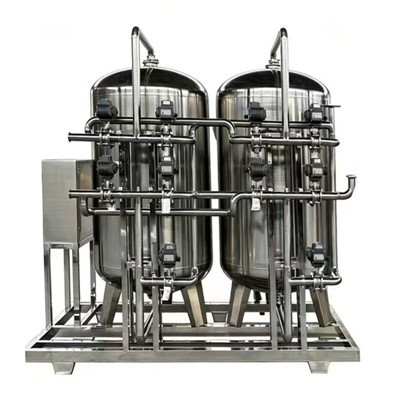
If you’re tired of your tap water tasting like a pool, your skin being dry after showers, or just want to know exactly what’s in your drinking water, we can help. We don’t do one-size-fits-all sales—we’ll test your water, walk you through what gear will actually work for your space, and answer all your questions no matter how small. No pushy sales pitches, just straight talk about what works for real people. If you want to chat through your options, feel free to reach out for a consultation. No pressure, just honest advice.
Deionized Water System References
- U.S. Environmental Protection Agency (EPA). (2022). Chlorine and Chloramine in Drinking Water: Fact Sheet for Consumers.
- World Health Organization (WHO). (2021). Guidelines for Drinking-Water Quality, 5th Edition.
- American Water Works Association (AWWA). (2020). Activated Carbon Treatment for Drinking Water: Technical Report.
- National Sanitation Foundation (NSF). (2019). Standard 42: Drinking Water Treatment Units—Aesthetic Effects (covers chlorine removal performance).
- Centers for Disease Control and Prevention (CDC). (2023). Drinking Water Disinfection Methods for Residential Settings.
Shandong Yanuo Environmental Protection Equipment Co., Ltd.
We’re well-known as one of the leading water disinfection equipment manufacturers and suppliers in China, featured by quality products and good price. Please rest assured to buy bulk water disinfection equipment made in China here from our factory. Customized orders are welcome.
Address: North Side of the Road, 1,000 Meters West of the Intersection of Fenghuangshan West Road and Provincial Highway S102, Wangfu Subdistrict, Qingzhou City, Weifang City, Shandong Province.
E-mail: ynhb.499973983@gmail.com
WebSite: https://www.zkyaruo.com/
