Hey there, if you’ve ever wondered about the stuff that makes those brown, squishy compostable takeout containers or the custom inserts protecting your new phone, you’re looking at pulp molding. For years, it’s been a staple for sustainable packaging, but lately, the process itself has blown past the old “mix pulp, pour into a mold, heat” playbook. As a pulp molding supplier, I’ve been testing and tweaking these emerging techs for a couple years now, and let me tell you—they’re not just tweaks; they’re game changers. Pulp Molding Process
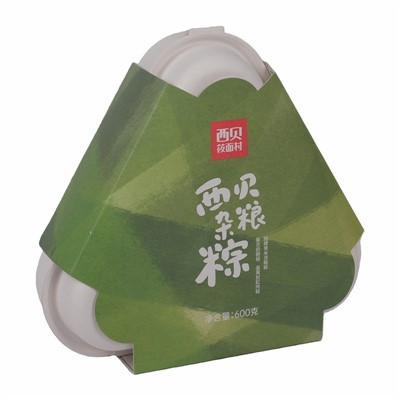
First up, let’s cut the jargon: pulp molding is basically making rigid, biodegradable products from recycled paper or cardboard pulp, right? The old way was super labor-heavy, limited to simple shapes, and prone to uneven walls or mold waste. The new techs I’m seeing popping up? They fix almost all of that.
One of the biggest ones I’ve been diving into is additive manufacturing (AM) adapted for pulp molds—wait, no, not 3D printing the final product, 3D printing the mold inserts themselves. Old molds were machined from solid aluminum or even wood, which took weeks to make, cost a fortune, and could only do basic textures. Now, we use 3D printed mold inserts made from silicone or even porous, high-temp resins. Let me give you a real example: last quarter, a client asked for custom eco-friendly inserts for their medical device packaging that had tiny, curved pockets to hold stethoscope parts. Before, a metal mold would’ve cost $1,200 and taken 10 days. We 3D printed the insert for $180, got it in 48 hours, and the final pulp parts fit exactly how they needed. And it’s not just small runs—we’re using this for mid-volume runs too, because 3D inserts don’t warp like metal ones, so the mold stays accurate for thousands of cycles. Also, the porous 3D inserts let water drain way faster during the forming step, which cuts down drying time by 25%—that’s less energy, less time waiting for production, way happier clients.
Next, smart pulp processing with IoT sensors. Back in the day, we’d mix pulp in big vats and guess the consistency—too runny, and the product is flimsy; too thick, and it clogs molds. Now, we stick small IoT probes right in the pulp mix, and they track things like fiber length, moisture content, even how the pulp settles in real time. No more guesswork. Last month, a client switched from a competitor because their pulp was so inconsistent, they had a 15% reject rate. We implemented the IoT system, and their reject rate dropped to under 3%. It’s not just the mix—we have sensors on the drying ovens too. Old ovens ran on a timer, so if the room was hotter that day, parts would over-dry and crack. Now, the sensors adjust oven temp and air flow based on the actual moisture of the pulp parts as they move through the line. That’s a huge win for reducing waste and energy use—we’re seeing energy bills for production drop by almost 20% across our shop since we installed these.
Wait, let’s talk about bio-based additives that aren’t just for strength. Everyone knows pulp molding is biodegradable, but sometimes clients need products that are water-resistant for, say, a takeout container holding soup. Old tricks were adding synthetic coatings that kinda defeat the purpose. Now, we’re using plant-based additives—things like soy protein or chitosan (from shrimp shells, fun fact) that bind to the pulp fibers and make the product water-resistant without any plastics. Even better, some of these additives make the product stronger, so we can use less raw material. One of our clients makes compostable food containers, and since switching to these additives, they cut the amount of recycled paper they use per container by 12%. That’s not just good for their bottom line; it’s good for the planet too, and that’s what everyone’s chasing these days. Oh, and we’ve been testing a new additive that makes the pulp parts moldable into flexible shapes, too—right now, most pulp products are rigid, but this lets us make foldable inserts or even cushioned parts that give with pressure. We’re still tweaking it, but so far, test parts have a 3x higher impact resistance than regular pulp.
Another big one I’ve been hearing about (and testing) is high-speed rotary molding systems with multi-cavity tools. Old pulp molding lines were linear—one mold at a time, moving through the steps. Now, rotary lines have a big wheel with 10, 15, even 20 cavities spinning through forming, drying, trimming. A few years ago, a rotary line could make maybe 3,000 parts an hour. The new ones? We’re pushing 12,000 parts an hour. That’s a massive jump. The catch is, you need really consistent pulp and precise molds to keep all those cavities the same, which is where the 3D printed molds and IoT sensors come in. We installed one of these lines in our factory 8 months ago, and now we can handle orders that would’ve taken two weeks to finish in 3 days. Smaller clients love this because they can get their products faster, and bigger clients save so much on labor costs—we went from 8 workers on that line to 3, all monitoring the sensors instead of manually adjusting machines.
Wait, should I mention something about recycled fiber innovation? Yeah, because that’s part of the process tech, too. A lot of pulp molding uses post-consumer recycled paper, but a lot of that fiber is short, so products are flimsy. Now, we’re using a method called fiber refining that’s not just grinding the paper—it’s separating the fibers gently, so they stay longer and bond better. We add a tiny bit of post-industrial cardboard fiber that’s longer, not synthetic, and mix it in. The result? Products are just as strong as plastic, but still 100% compostable. We tested this with a client that makes shipping materials—their old pulp inserts would crack if you dropped a package from 3 feet. The new ones? We dropped them from 10 feet, no breaks. And since we’re using more recycled fiber, not virgin, their carbon footprint dropped 18% according to their own calculations.
I know a lot of people in the industry are talking about circular economy here, and these techs tie right into that. Old pulp molding waste was basically offcuts from trimming, and maybe 5-10% of parts that didn’t pass quality checks. Now, with the IoT sensors and 3D molds, that waste is down to less than 2%, and we can actually grind that waste back into pulp and reuse it in the mix—no need to send it to a landfill. That’s a big deal for clients who care about their sustainability claims, because they can say almost all of their production waste is recycled back into the process.
But let’s be real, it’s not all perfect. I’ve had to work through kinks—like the 3D printed molds not holding up for super high-volume runs, so we’re now using a hybrid: 3D printed inserts with a metal frame around them. The sensors sometimes glitch if the pulp is extra foamy, so we’re adjusting the probe placement. The bio-additives can add a little cost upfront, but clients make that back in less than 6 months from less waste and lower energy bills. No tech is instant, but the long game is worth it.
Here’s the thing: a lot of people think pulp molding is a slow, old industry, but it’s evolving fast. As a supplier, these techs aren’t just making our products better—they’re making pulp molding a real alternative to plastic, which is what everyone wants right now. Whether you’re a small business needing custom eco-packaging, a brand looking to switch from plastic inserts, or someone just curious about where this industry is going, it’s exciting stuff.

If you’re in the market for pulp molding solutions—whether you need custom parts, bulk containers, or just want to chat about how these emerging techs can work for your business—hit us up. We can walk you through our process, show you test parts, and figure out what fits your needs. No pressure, just honest talk about what works for your sustainability and production goals.
Cartons References
- American Forest & Paper Association. (2023). Emerging Technologies in Paper and Packaging Manufacturing.
- Pulp and Paper Technical Association of Canada. (2024). Additive Manufacturing for Molding Applications in Pulp Products.
- International Energy Agency. (2023). Smart Sensor Systems in Industrial Manufacturing: Energy Efficiency Impacts.
- Journal of Sustainable Materials and Technologies. (2024). Bio-Based Additives for Water-Resistant Biodegradable Packaging.
- Packaging Digest. (2023). High-Speed Rotary Molding Advancements in Sustainable Packaging Production.
Dongguang K.B.D Pulp Mould Package Products Co., Ltd.
We are one of the most experienced pulp molding process manufacturers and suppliers in China, specialized in providing high quality products and service. Please feel free to buy bulk customized pulp molding process from our factory. For quotation and free sample, contact us now.
Address: No.4 Caimei 1st Road, Longjiantian Country, Huangjiang Town, Dongguan, China
E-mail: Kevin.wang@kbd.com.cn
WebSite: https://www.kbd-pack.com/
