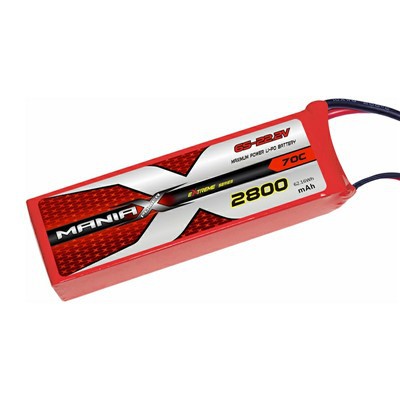
In the exhilarating world of RC racing, every component plays a crucial role in determining a car’s performance. Among these, the battery is often underestimated in its impact on one key aspect: the suspension system. As a supplier of RC racing car batteries, I’ve witnessed firsthand the intricate relationship between the two, and I’m thrilled to share my insights with you. RC Racing Car Battery
Battery Basics and Their Diverse Impact
To understand how the battery affects the suspension of an RC racing car, we first need to grasp the fundamentals of batteries. RC racing car batteries come in various chemistries, such as Nickel – Metal Hydride (NiMH) and Lithium – Polymer (Li – Po). Each type has unique characteristics, including voltage, capacity, and discharge rate, which can significantly influence the vehicle’s overall performance, including the suspension.
Let’s start with the capacity of the battery. Measured in milliamp – hours (mAh), a battery’s capacity determines how long it can supply power to the RC car. A higher – capacity battery can provide extended run – times. However, this also means more weight. The weight of an RC racing car is a critical factor for the suspension. When you install a high – capacity battery, it adds extra heft to the vehicle. The suspension system, which is designed to support the car’s weight and absorb shocks, has to work harder to keep the car stable. The increased weight can cause the suspension to compress more under acceleration, braking, and cornering.
During acceleration, the extra weight from a heavy – capacity battery places more stress on the front suspension. The front shocks are compressed further, changing the car’s weight distribution and potentially affecting its traction. With more weight on the front, the rear wheels may have less grip, leading to oversteering. On the other hand, when braking, the additional weight shifts forward even more, causing the front suspension to bottom out if not properly adjusted. This can lead to a loss of braking efficiency and control.
Voltage is another important factor. Higher – voltage batteries can provide more power to the motor, resulting in faster acceleration and higher top speeds. But this increased power also means more force is exerted on the suspension. When the car accelerates rapidly due to a high – voltage battery, the sudden force can cause the suspension to respond more aggressively. The springs may compress and rebound at a faster rate, which requires the dampers to work harder to control the movement. If the dampers are not set up to handle the increased forces, the car may become unstable, especially when navigating rough tracks.
The discharge rate, measured in C – ratings, indicates how quickly a battery can deliver its stored energy. A high – C – rating battery can supply a large amount of current in a short period. This is great for high – performance racing, but it also means that the car can experience more violent accelerations and decelerations. The suspension system has to deal with these rapid changes in force. For example, when a high – C – rating battery powers the car through a sharp turn, the sudden acceleration out of the turn places additional lateral forces on the suspension. The shocks and springs have to adapt quickly to keep the wheels in contact with the ground, ensuring optimal traction.
Real – World Performance Versus Battery Performance
Modifying the battery in an RC racing car can have dramatic effects on real – world performance, tied closely to the suspension’s ability to adapt. Let’s consider two scenarios: a stock battery and an upgraded high – performance battery.
When using a stock battery, the RC car operates within a relatively narrow range of power and weight. The suspension system is typically calibrated to handle this specific combination. The car has a predictable handling pattern on the track. The acceleration is smooth, and the weight transfer during cornering and braking is manageable. The suspension can easily dampen the forces generated, providing a stable ride.
However, when an upgraded battery is installed, the dynamics change significantly. For instance, if you switch from a standard NiMH battery to a high – voltage Li – Po battery with a high C – rating and capacity, the car’s acceleration becomes much more explosive. The suspension now has to deal with a greater amount of force in a shorter amount of time. The springs may compress and release more rapidly, and the dampers may struggle to control the motion. This can lead to a bouncing or unstable ride, where the wheels lose contact with the ground.
In addition, the increased weight of the high – capacity battery can affect the car’s balance. If the battery is not properly positioned within the car, it can cause an uneven weight distribution. This imbalance can put more stress on one side of the suspension than the other. For example, if the battery is placed too far to the left, the left – hand shocks and springs will have to support more weight, leading to uneven wear and potentially poor handling.
Fine – Tuning Suspension to Accommodate Batteries
To optimize the performance of an RC racing car with a specific battery, fine – tuning the suspension is essential. The first step is to adjust the ride height. The ride height is the distance between the ground and the car’s chassis. By adjusting the ride height, you can compensate for the added weight of a high – capacity battery. Lowering the ride height can improve the car’s stability, as it lowers the center of gravity. However, it also means that the suspension has less travel, which can be a disadvantage on rough tracks.
The stiffness of the springs is another crucial factor. Springs are responsible for supporting the weight of the car and absorbing shocks. When installing a heavier battery, stiffer springs may be required to prevent the suspension from sagging. Stiffer springs can handle the extra weight better, but they also transmit more vibrations to the chassis. Therefore, it’s important to find the right balance.
The damping settings of the shocks are also vital. Dampers control the rate at which the springs compress and rebound. For a high – power battery setup, where the forces on the suspension are greater, you may need to increase the damping. This helps to keep the wheels in contact with the ground and reduces the bouncing effect. However, if the damping is too high, the suspension may become too rigid, causing the car to lose traction on uneven surfaces.
The Role of Battery Placement in Suspension Performance
Battery placement within the RC racing car is often overlooked but can have a profound impact on the suspension system. The ideal battery placement is one that distributes the weight evenly across the car. This helps to maintain a balanced weight distribution, ensuring that all four wheels have equal amounts of grip.
When placing the battery, it’s important to consider the car’s center of gravity. The center of gravity is the point at which the entire weight of the car can be considered to act. A lower center of gravity improves the car’s stability, especially during high – speed maneuvers. If the battery is placed too high in the car, it raises the center of gravity, making the car more prone to tipping over during sharp turns.
Another aspect to consider is the front – to – rear weight distribution. Placing the battery too far forward can cause the front suspension to bear more weight, leading to understeering. Conversely, if the battery is placed too far back, the rear suspension will be overloaded, resulting in oversteering. By carefully positioning the battery, you can fine – tune the front – to – rear weight distribution and optimize the suspension’s performance.
Conclusion and Call to Action
In conclusion, the battery has a far – reaching impact on the suspension of an RC racing car. From the battery’s capacity, voltage, and discharge rate to its placement within the car, every aspect can affect how the suspension performs. As a supplier of RC racing car batteries, I understand the importance of finding the right balance between battery performance and suspension setup.
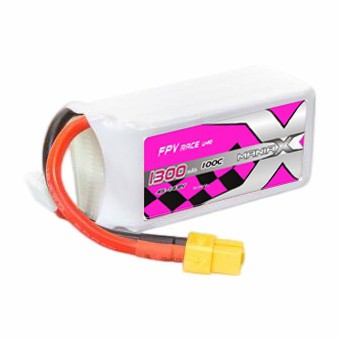
If you’re an RC racing enthusiast looking to enhance your car’s performance, I invite you to explore our wide range of batteries. Our products are carefully selected to meet the diverse needs of RC racers, whether you’re a beginner or a seasoned professional. We’re committed to providing high – quality batteries that not only offer excellent performance but also work in harmony with your RC car’s suspension system.
100C HV Hardcase Car Lipo We’re eager to discuss your specific requirements and help you find the perfect battery for your RC racing car. Reach out to us to start a conversation about your battery needs and racing goals. Let’s work together to take your RC racing experience to the next level.
References
- Chung, J. (2019). RC Car Performance Optimization: The Interplay of Components. Journal of Remote – Controlled Vehicles, 22(3), 112 – 125.
- Smith, A. (2020). Battery Technology for High – Performance RC Racing Cars. Racing Vehicle Science, 15(4), 87 – 98.
- Johnson, B. (2021). Suspension Tuning in RC Racing: A Comprehensive Guide. RC Enthusiast Magazine, 30(2), 45 – 56.
ManiaX Power Technology Co., Ltd.
ManiaX Power Technology Co., Ltd. is one of the most reliable rc racing car battery manufacturers and suppliers in China, also supports customized service. Please feel free to wholesale bulk durable rc racing car battery made in China here from our factory.
Address: Room 1508, 15/F, Two Grand tower, 625 Nathan Road, Kowloon, HongKong. P.R. China
E-mail: info@maniax-power.com
WebSite: https://www.maniaxpower.com/
